How Northeastern’s Co-op Model and Experiential Learning Create Career-Ready Graduates
Northeastern University’s hallmark is a learning model that blends classroom study with real-world experience, creating a career-forward education that appeals to students and employers alike. Located in an urban, culturally vibrant setting, the university emphasizes hands-on learning, interdisciplinary research, and strong industry partnerships — a combination that consistently shapes graduates who are workplace-ready and adaptable.
What makes the Northeastern experience distinct is the cooperative education model. Co-op placements integrate extended, paid work terms into degree programs so students can apply classroom knowledge in professional environments, build workplace skills, and develop industry networks before graduating. Employers range from startups and NGOs to major corporations and research institutions, offering roles across technology, health, finance, public policy, and more. This structure benefits students by clarifying career goals early, improving employability, and often leading to full-time job offers after graduation.
Beyond co-op, Northeastern invests heavily in experiential learning across the curriculum. Project-based courses, research fellowships, and studio programs encourage students to tackle real problems alongside faculty and industry mentors. The university’s interdisciplinary approach makes it a strong fit for students who want to combine fields — for example, pairing computer science with public health or business with sustainability — to address complex societal challenges.
Innovation and entrepreneurship are well-supported through a network of incubators, maker spaces, and mentorship programs. Students and alumni can access resources to prototype ideas, secure funding, and scale ventures. These resources create a pipeline from academic research to market-ready solutions, and they foster a campus culture where experimentation and risk-taking are encouraged.
Research spans areas that have broad societal impact: artificial intelligence and machine learning, advanced manufacturing, health sciences, urban resilience, and climate action. Research centers and labs emphasize collaboration with industry partners and community stakeholders, aiming to translate discoveries into practical applications. This push toward translational research strengthens both academic inquiry and regional economic development.
Northeastern’s urban campus offers cultural and professional advantages. Being integrated into a major city provides students with abundant internship options, cultural institutions, and public service opportunities. Campus life balances the rigor of academic programs with student organizations, athletics, and arts programming that help build leadership skills and lifelong connections.
Global perspectives are woven into the student experience through international programs and partnerships. These opportunities can include study abroad, global co-op placements, and international research collaborations that broaden students’ cultural competencies and prepare them for careers in an interconnected world.
Sustainability and civic engagement are growing priorities across campus. Academic initiatives and operational commitments focus on reducing environmental impact, promoting social equity, and engaging with local communities. Students frequently participate in projects that address climate resilience, environmental justice, and public health — learning to apply technical skills with ethical and societal awareness.
For prospective students and employers, Northeastern presents an education model that prioritizes readiness for a changing workforce. Students looking for an immersive, professionally oriented college experience will find structured pathways to gain meaningful work experience while pursuing academic excellence.
Employers seeking talent benefit from access to students who already possess industry exposure, practical skills, and an interdisciplinary mindset.
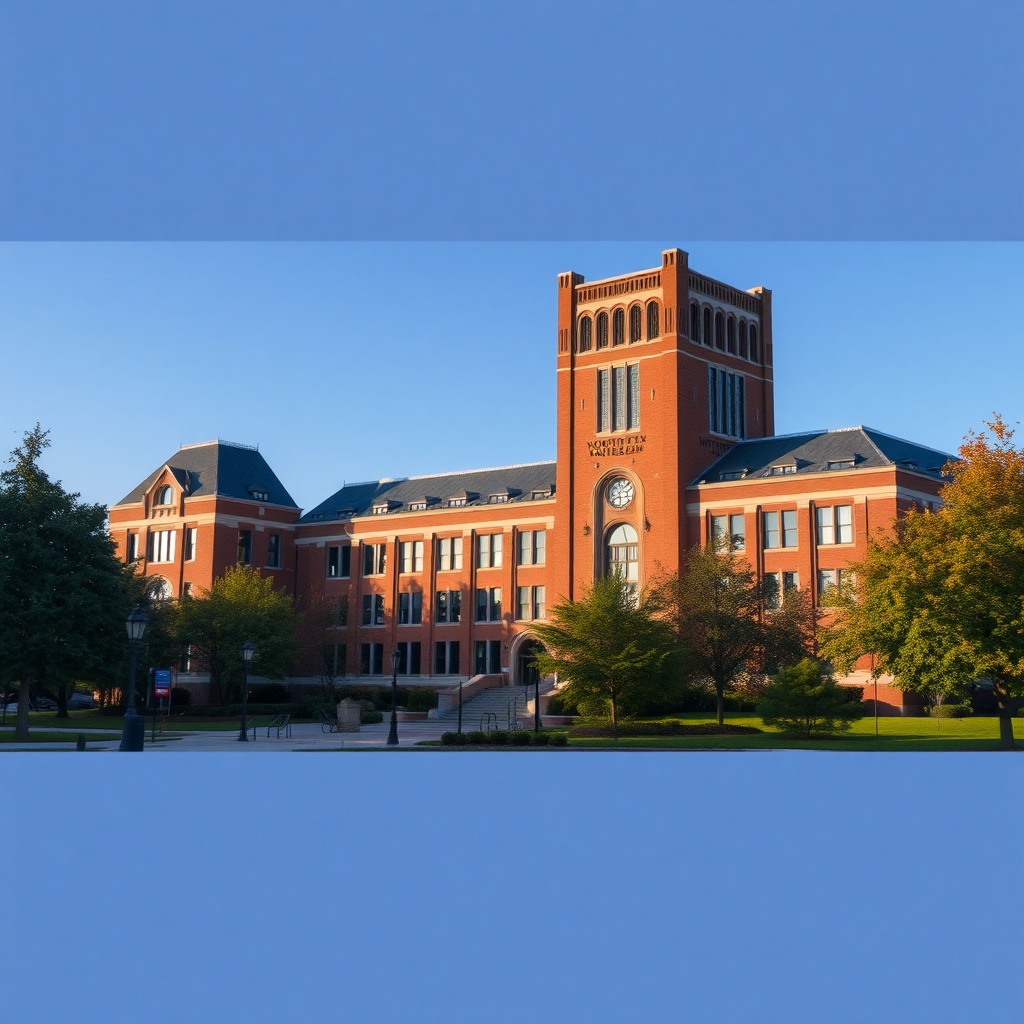
Exploring co-op options, research centers, and entrepreneurship resources is a good first step for anyone considering Northeastern. Scheduling a campus visit or reaching out to academic departments and career services can clarify how individual programs align with career goals and learning preferences.
The university’s blend of experiential learning, urban resources, and innovation ecosystems offers a compelling environment for students determined to translate education into impact.