Vermont Maple: Your Guide to Sugarhouse Tours, Tastings, and Sustainable Sugaring
Vermont maple is more than a syrup—it’s a sensory entry point to the state’s landscape, culture, and seasonal rhythms. Whether you’re a first-time visitor or a longtime fan, exploring Vermont’s sugaring traditions offers a memorable mix of hands-on experiences, farm-to-table flavor, and lessons in sustainable forestry.
What to expect at a sugarhouse
Visiting a sugarhouse gives an up-close look at how sap becomes syrup. Most tours explain tapping techniques, collection systems (from buckets to modern tubing), and the boiling process. Look for demonstrations of sap boiling and sample fresh syrup poured over snow or served with warm doughnuts—simple tastings that reveal surprising depth and complexity.
Many producers host open houses where you can buy bottles directly from the maker, often including small-batch or single-forest varieties that showcase terroir.
Tasting tips and uses
Maple syrup ranges from delicate and floral to rich and robust. Try lighter grades on pancakes and yogurt, and reserve darker, more caramelized syrups for baking, glazing roasted vegetables, or finishing grilled meats. Maple pairs beautifully with aged cheeses, roasted root vegetables, mustard, and bourbon in cocktails. For gifting or longer storage, glass bottles are preferable to plastic; store unopened bottles in a cool pantry and refrigerate after opening to preserve flavor.
Finding the best spots
Sugarhouses are scattered across the state, with concentrations near traditional maple-producing regions.
Smaller operations often offer the best opportunity to talk one-on-one with makers and learn about forest management and tree health. Agritourism maps and local visitor centers can point you to producers that welcome tours and tastings.
Combining a sugarhouse visit with a walk in the nearby woods, a stop in a village market, or a drive across classic covered bridges makes for a full day of discovery.
Sustainability and forest stewardship
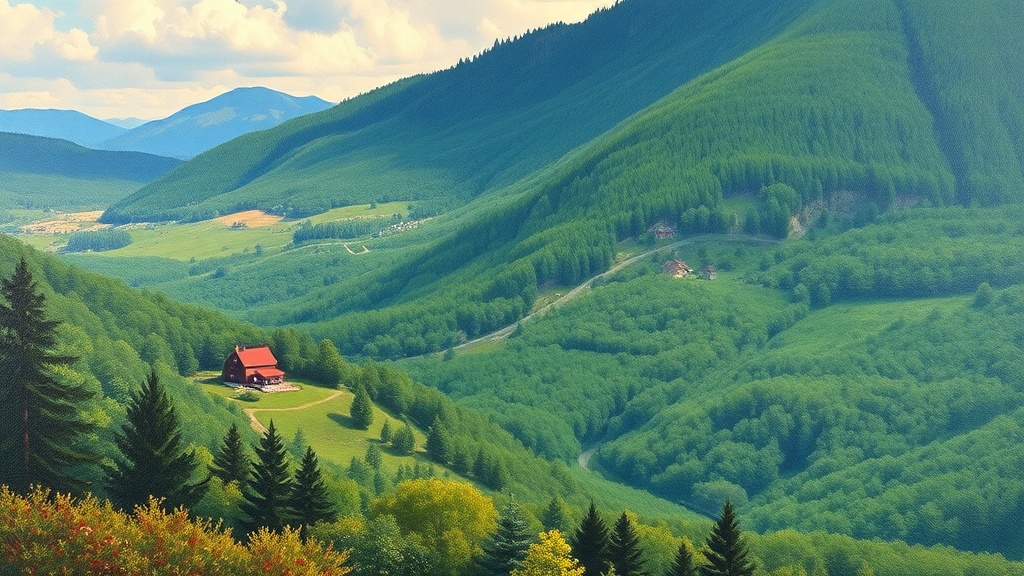
Good maple production depends on healthy, well-managed forests.
Many Vermont producers practice selective tapping and follow guidelines that protect tree health and growth.
Advances in equipment—like energy-efficient evaporators and reverse osmosis—help reduce fuel use and waste. Some farms use wood from their own properties as fuel, closing a small-loop energy system, while others combine maple production with wildlife habitat conservation and diversified farming practices.
What to bring and how to behave
Dress for variable weather and potentially muddy trails; layered clothing and waterproof boots are practical. If you visit a working farm, respect restricted areas and follow staff directions—machinery can be hot and hazardous. Buying syrup onsite supports local producers directly and is often the most cost-effective way to take home a truly fresh product.
Beyond the syrup
Sugaring season pairs naturally with other outdoor activities: cross-country skiing, snowshoeing, early-season hikes, and cozy farm lunches. Many towns pair maple offerings with artisan goods, craft beverages, and seasonal menus that highlight local ingredients.
For people wanting a deeper dive, look for workshops on tapping, syrup grading, or even small-scale production techniques.
Whether you go for the taste, the craft, or a pause in nature, exploring Vermont’s maple traditions connects you to a lively rural economy and a long-running cultural practice. The experience rewards curiosity and appetite in equal measure.