Vermont Maple Syrup: Complete Guide from Sugarhouse to Table — Buying, Cooking, and Sustainable Practices
Vermont Maple: From Sugarhouse to Table — Tradition, Taste, and Sustainability
Vermont maple syrup is more than a breakfast staple — it’s a cultural touchstone and a thriving agricultural industry rooted in forest stewardship.
Whether you’re a home cook, a specialty-food buyer, or planning a visit to a sugarhouse, understanding how Vermont maple is made and what to look for will make each bottle more meaningful.
How maple syrup is made
Sap flows from sugar maples during freeze-thaw cycles. Producers collect sap via tubing systems or traditional buckets, then concentrate it through reverse osmosis and evaporation until it reaches the right sugar density. Modern equipment speeds the process while preserving flavor; many small producers still rely on hands-on techniques that reflect generations of knowledge.
Flavor and grading
Maple syrup flavor varies from delicate and buttery to rich and caramelized. Color and taste depend on sap composition and how far into the season the syrup is made. Labels that reference grade or flavor descriptors help guide buyers — lighter syrups tend to be milder and pair well with yogurt or delicate pastries, while darker syrups bring robust notes that stand up to savory glazes and braises.
Single-origin and small-batch bottles highlight terroir and production methods, appealing to specialty markets and gift buyers.
Buying and storing tips
Choose pure maple syrup labeled by source; avoid products that list “maple-flavored” or high-fructose corn syrup as primary ingredients. Look for certifications such as organic or local-producer marks if those matter to you. Once opened, refrigerate syrup to preserve flavor and prevent fermentation; unopened, it’s best kept in a cool, dark place. For long-term storage, freezing in glass or food-safe plastic prevents crystallization and maintains taste.
Culinary uses beyond pancakes
Maple syrup is versatile in both sweet and savory cooking. Use it to sweeten dressings, finish roasted root vegetables, glaze salmon or pork, or balance spicy sauces. It pairs beautifully with mustard, soy, citrus, and aged cheeses, and can replace other sweeteners in baking for a nuanced, complex sweetness.
Sustainability and forest stewardship
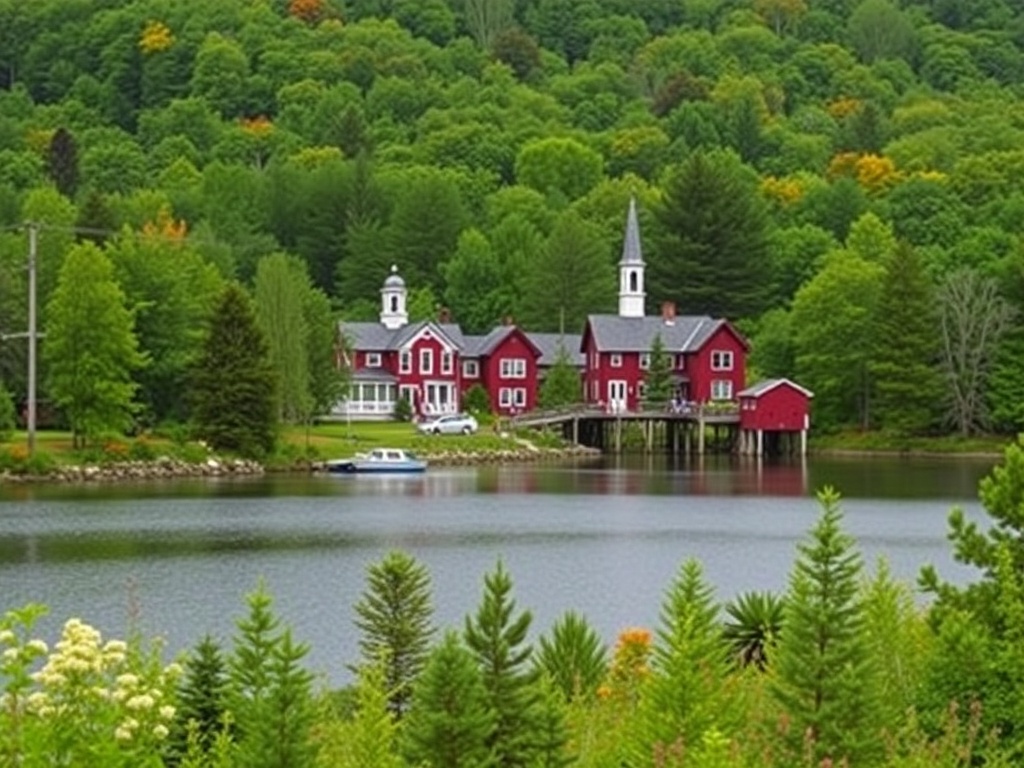
Sustainable forestry underpins Vermont’s maple industry. Healthy forests provide the trees that produce sap while supporting biodiversity and carbon sequestration. Many producers combine maple sugaring with responsible timber management, ensuring that tapping practices don’t harm tree health.
Innovations such as vacuum tubing, energy-efficient evaporators, and solar preheating help reduce fuel use and environmental impact.
Challenges and resilience
The industry faces challenges from changing climate patterns and invasive pests that influence sap flow and tree health. Producers are adapting through improved forest management, diversified income streams (farm stays, on-farm retail, and value-added products), and cooperative marketing that highlights quality and transparency.
Visiting a sugarhouse
A visit to a local sugarhouse offers insight into the craft: watch sap become syrup, taste different grades, and learn about local forestry practices. Many producers host tours, offer tasting flights, and sell specialty items such as infused syrups and maple butter.
Why Vermont maple matters
Beyond flavor, Vermont maple represents a connection between land and table. It supports rural economies, encourages responsible forest management, and offers a product that’s traceable and transparent. Whether you buy a small-batch bottle to savor at home or seek out maple-infused products at farmers’ markets, paying attention to provenance and production makes the experience richer.
For anyone who loves real food with a story, Vermont maple syrup delivers authenticity, versatility, and a direct link to the landscape that produces it.