Boston Waterfront Resilience: Turning Flood Risk into Green, Accessible Public Space
Boston is reshaping its waterfront with resilience at the center of planning, turning flood risk into an opportunity for greener, more accessible public space. As coastal storms intensify and sea levels edge upward, neighborhoods from the Seaport to East Boston are adopting layered strategies that protect property, increase recreational access, and restore natural systems.
Why resilience matters here
Boston’s historic harbor and compact urban form make waterfront protection both essential and complex.
Low-lying districts, key transit hubs, and critical infrastructure like Logan Airport are all vulnerable to flooding.
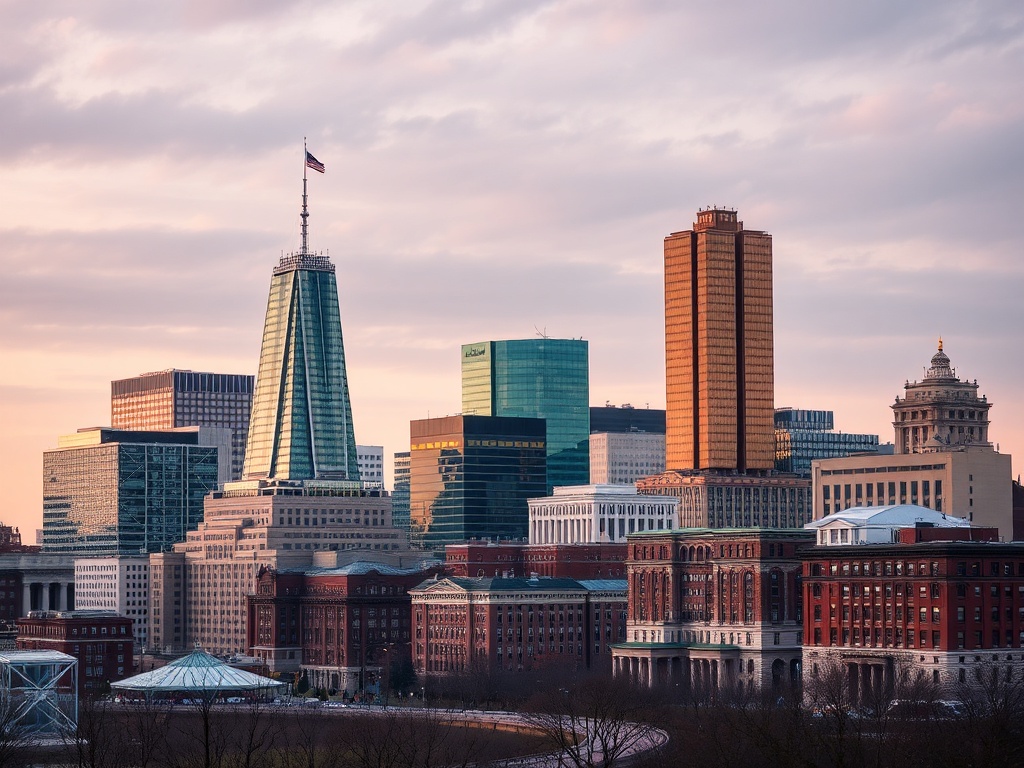
Rather than relying solely on hard barriers, planners and community groups are embracing a mix of engineered protections, natural defenses, and neighborhood-level adaptations to reduce risk while enhancing quality of life.
Design approaches gaining traction
– Nature-based solutions: Salt marsh restoration, tidal wetlands, oyster reefs, and living shorelines are being used to absorb wave energy and improve water quality. These approaches create habitat while offering flexible, low-maintenance buffers that adapt with changing conditions.
– Floodable parks and civic spaces: Designers are converting stretches of waterfront into parks that can temporarily hold stormwater.
These multipurpose landscapes provide recreation during calm weather and flood mitigation during storms, avoiding the need for constant, costly repairs.
– Modular and hybrid barriers: Where permanent protection is needed, hybrid solutions combine seawalls, deployable gates, and berms with green elements. This reduces visual impact and supports ecosystem function.
– Elevated and resilient infrastructure: Critical systems—transport, utilities, and access routes—are being elevated or hardened. Transit stations and power substations are prioritized for upgrades to maintain service during extreme events.
Community-centered planning
Equity is central to resilience work. City-led planning efforts increasingly involve neighborhood residents, small businesses, and local organizations to ensure solutions reflect local priorities and do not displace vulnerable populations. Community workshops help shape where parks, staging areas, and relocation plans are most appropriate, while workforce programs aim to create local jobs tied to resilience projects.
Funding and collaboration
Resilience projects in Boston are financed through a combination of municipal budgets, state and federal grants, philanthropic contributions, and private investment. Public–private partnerships help move large projects forward, while smaller pilot projects test ideas at a neighborhood scale before wider deployment.
What residents can do
– Stay informed: Attend community meetings and sign up for local alerts to learn about planned projects and emergency procedures.
– Prepare properties: Simple measures—like elevating utilities, installing flood-resistant materials, and securing critical documents—reduce disruption after a storm.
– Support green infrastructure: Backyard rain gardens and permeable landscaping help reduce runoff and complement broader municipal efforts.
– Advocate for equitable solutions: Push for community benefits in project planning, including affordable housing protections and job-training programs linked to resilience work.
The future of Boston’s waterfront is about balance: protecting what matters while making public spaces more vibrant and accessible. By combining natural systems with smart engineering and strong community involvement, the city is moving toward a waterfront that can withstand storms and serve residents for generations. For the latest plans and opportunities to get involved, check municipal planning resources and local resilience organizations to see upcoming workshops and project updates.