Walkable Boston: A Neighborhood Guide to History, Waterfronts, Food & Innovation
Boston blends layered history, compact neighborhoods, and a future-focused energy that keeps the city vibrant for residents and visitors alike. Walkable streets, waterfront greenways, and a dense mix of institutions make Boston a smart destination for culture, food, and innovation.
Neighborhoods and walkability
Each Boston neighborhood has a distinct personality. The North End hums with Italian bakeries, narrow streets, and centuries-old churches. Back Bay offers Victorian brownstones and luxury shopping along Commonwealth Avenue and Newbury Street. The Seaport District has shifted from warehouses to glass-clad offices, waterfront dining, and public art, while Kendall Square and the Longwood Medical Area anchor the region’s world-leading research and biotech scene.
Compact blocks and extensive public transit make walking or taking the T the easiest way to experience the city.
History and culture
Boston’s history is visible and walkable.
The Freedom Trail connects key Revolutionary sites through the heart of the city, while museums such as the Museum of Fine Arts and the Isabella Stewart Gardner Museum host international collections and rotating exhibitions. Live performance venues, from intimate theaters to large arenas, keep a steady calendar of music, dance, and theater.
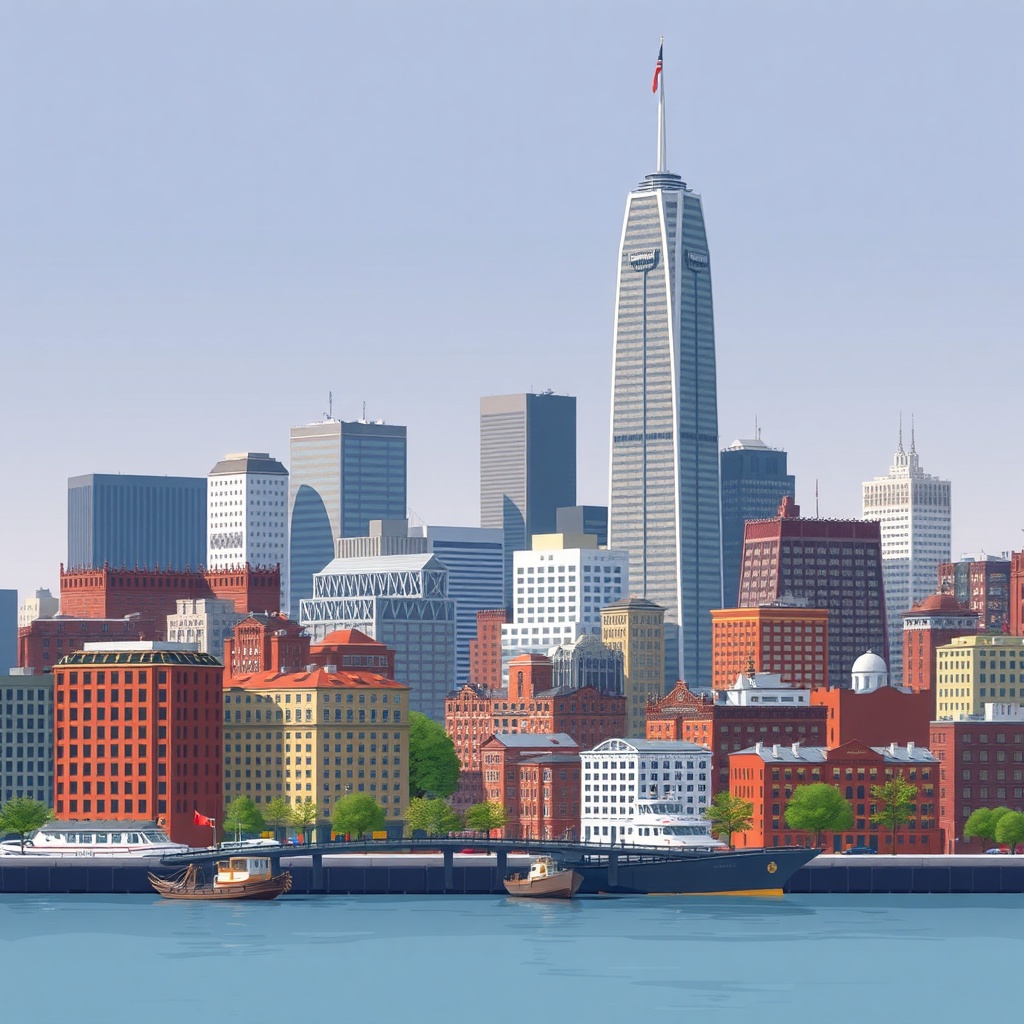
Annual events and neighborhood festivals offer chances to experience local culture and community traditions.
Parks and the waterfront
Green space is integral to Boston’s layout. Boston Common and the adjacent Public Garden provide classic city park experiences, while the Charles River Esplanade offers jogging paths, sailboat views, and outdoor concerts. The Emerald Necklace—an interconnected park system—brings nature into the urban fabric.
The Harborwalk and new waterfront parks have expanded access to Boston Harbor, making boating, waterfront dining, and scenic strolls easier to enjoy.
Food and drink
Boston’s culinary scene balances New England classics with global flavors. Expect excellent seafood—clam chowder, oysters, lobster rolls—alongside standout small plates, artisanal bakeries, and inventive fine dining. Neighborhoods each bring specialties: the North End’s trattorias, Chinatown’s dim sum and bubble tea, and the burgeoning restaurant scene in the Seaport. Farmers’ markets and specialty grocers support a strong farm-to-table culture.
Innovation and economy
A dense concentration of universities, hospitals, and research labs fuels a robust economy focused on biotech, healthcare, higher education, and advanced technology.
Startups and established firms cluster near transit hubs and research institutions, creating a competitive job market and a steady stream of investment. Co-working spaces, accelerators, and incubators support entrepreneurs across sectors.
Getting around
The public transit system links most neighborhoods, complemented by bike-share programs, ferries to nearby coastal towns, and extensive pedestrian infrastructure. For visitors, a simple transit pass and comfortable walking shoes unlock the best of the city.
Rideshare and bike options fill gaps for late-night trips or cross-neighborhood travel.
Climate resiliency and urban planning
Boston is actively addressing coastal flooding and extreme weather with resiliency plans that combine sea barriers, elevated parks, and redesigned waterfronts. Public-private partnerships are shaping new development with an eye toward sustainability, open space, and equitable access to amenities.
Whether you’re drawn to history, cutting-edge research, food, or the waterfront, Boston offers a dense, walkable urban experience with a mix of old-world charm and contemporary momentum. Plan neighborhood explorations, layer in a cultural institution or game-day experience, and leave room for quiet river views and casual meals that capture the city’s coastal spirit.