Boston University Campus Guide for Prospective Students: Research, Internships, and Urban Life on the Charles River
Boston University blends the scale and resources of a major research university with the street-level energy of an urban campus.
Stretching along the Charles River and embedded in the Fenway-Kenmore neighborhood, it offers a compact, walkable experience that connects classrooms to internships, cultural venues, and the city’s startups.
Academic strengths and interdisciplinary opportunities
BU is known for a broad array of strong programs—business, communication, engineering, health sciences, and the arts among them—combined with an institutional emphasis on cross-school collaboration. Students often build individualized pathways by pairing majors and minors across schools. The BU Hub general-education framework encourages practical skills—writing, quantitative reasoning, and global perspectives—so graduates can adapt to shifting career demands.
Research and innovation
Undergraduate and graduate students find opportunities to join labs, startups, and community research initiatives.
The university’s focus on translational research means discoveries in health, sustainability, and digital media are pushed toward real-world application. For students seeking entrepreneurship, campus resources link innovators with mentorship, prototyping facilities, and city networks to launch projects or companies.
Career preparation and employer access
One of BU’s strengths is proximity to employers. Internships with hospitals, financial institutions, creative agencies, and tech firms are accessible via the city’s transit system and the university’s employer partnerships.
Career services emphasizes experiential learning—co-ops, internships, and networking events—while alumni networks open doors in industries from entertainment to biotech.
Student life and campus culture
Life on campus balances busy academic schedules with active student organizations, club sports, and arts programming. Athletic events, concerts, and student-produced theater provide frequent social options. Residential life fosters community: living-learning communities and theme housing help students connect around majors, cultural identities, or shared interests.
Dining options stretch from campus cafeterias to nearby eateries in the Fenway and Back Bay neighborhoods.
City access and outdoor spaces
The Charles River esplanade is a natural extension of the campus—students row, run, and relax riverside. The “BU Beach” stretch along the river is a popular informal gathering spot for picnics and study sessions. Close proximity to museums, music venues, and historic districts means weekends can blend cultural immersion with city exploration.
Transportation and commuting
Boston’s public transit system is a major advantage.
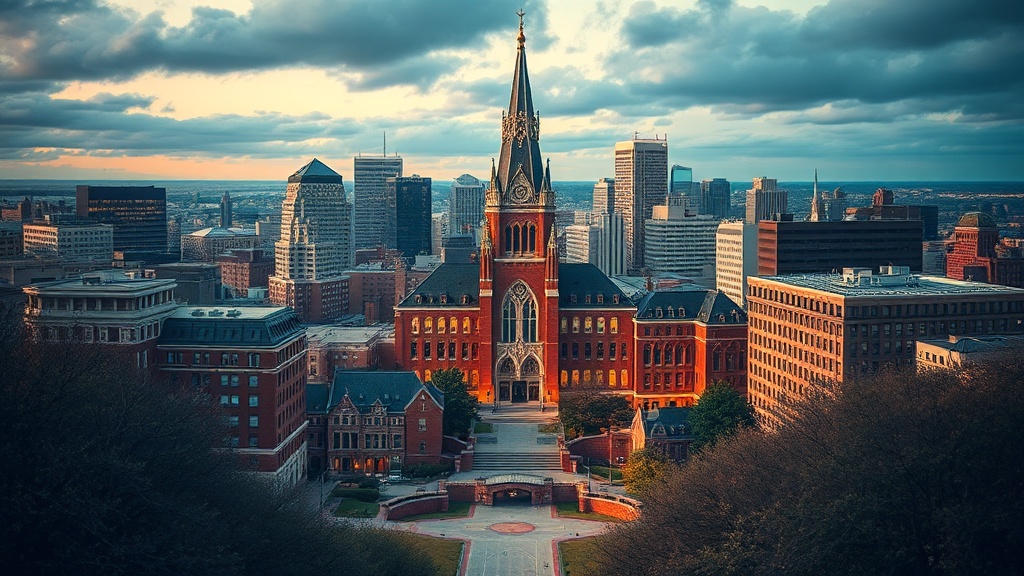
The campus is well-served by subway lines and bus routes, making commuting or weekend travel straightforward. Bicycle-friendly routes, ride-share options, and on-campus shuttles add mobility for students who live off-campus or who want to explore the broader metropolitan area.
Sustainability and campus improvements
Sustainability efforts are visible through energy efficiency upgrades, green building projects, and waste-reduction programs across campus.
Student groups frequently partner with administrators on initiatives like community gardens, bike-share programs, and sustainable dining choices.
Tips for prospective students and families
– Visit early and tour both academic buildings and residential neighborhoods to gauge fit.
– Talk with current students about day-to-day life: class sizes, workload, and social scene vary by school.
– Use university career and internship platforms to research employer connections in your field of interest.
– Explore study-abroad options and semester exchanges—many programs integrate international experience into degree planning.
– Consider commute logistics and housing options if planning to live off campus; proximity to transit will affect daily routines.
Boston University offers the resources of a large research institution while preserving the close-knit feel of an urban campus. Whether a student’s focus is lab research, creative arts, entrepreneurship, or professional preparation, the combination of academic breadth, city access, and hands-on opportunities creates a dynamic environment for learning and growth.