Maine Coast Travel Guide: Best Coastal Towns, Lighthouses, Lobster Rolls & Outdoor Adventures
Maine’s coast is a study in contrast: rocky headlands and sheltered coves, working waterfronts and quiet artist colonies, fresh seafood and pine-scented trails.
For anyone drawn to rugged shoreline, small-town charm, and outdoor adventure, the state offers a compact but richly varied travel experience that rewards slow exploration.
What to see and do
– Coastal towns: Start with a mix of lively and serene ports. Portland blends craft food and a lively waterfront with historic brick streets.
Mid-coast towns like Rockland and Camden pair galleries, boutiques, and harborside dining with scenic coastal drives. For quieter islands and artist enclaves, look to places that require a short ferry ride.
– National parks and trails: Head to the parklands where jagged granite meets the sea.
Iconic trails offer panoramic ocean views, tidepools, and accessible short hikes for families as well as longer ridge routes for avid hikers.
Sunrise and sunset vantage points are especially rewarding—arrive early for uncrowded vistas.
– Lighthouses: Lighthouses are part of the coastal pulse. Historic lights perched on rocky outcrops provide fantastic photo ops and sense of place. Many are visible from public viewpoints and some offer tours or interpretive centers.
– Water experiences: Kayaking among islands, scenic boat cruises, and lobster boat tours let you see coastal life up close. Seasonal whale-watching trips depart from several harbors and can be a memorable addition to any itinerary.
– Food and drink: Seafood is central. Lobster—served in rolls, steamed with drawn butter, or as part of a hearty boil—is a must-try, but also seek out clams, mussels, and locally sourced produce. Craft breweries and small-batch distilleries complement the food scene with regionally focused flavors.
Tips for a better trip
– Embrace slower travel: Coastal roads move at a leisurely pace. Build extra time into your schedule for unexpected detours to a scenic overlook, gallery, or roadside lobster shack.
– Book ferries and accommodations early for high-season weekends: Island and coastal lodging can fill quickly. Consider weekday stays for lower prices and fewer crowds.
– Support sustainable seafood: Ask restaurants about sourcing and choose establishments that work directly with local fishers or follow recognized sustainability practices.
– Pack layers and good footwear: Weather near the coast can change fast. Comfortable shoes are essential for rocky trails and uneven boardwalks.
Sustainability and local communities
Tourism and fishing are intertwined with the state’s way of life. Responsible visitors respect working harbors, follow posted fishing and boating guidelines, and shop local—farmstands, cooperatives, and family-run eateries keep coastal economies vibrant.
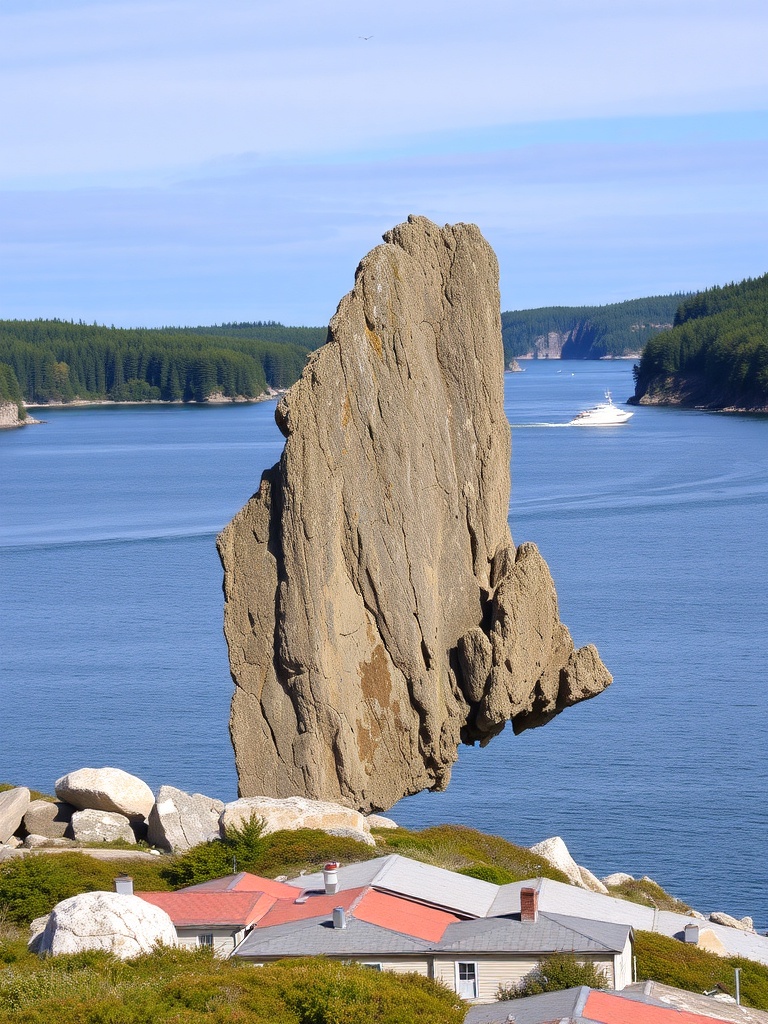
Many businesses prioritize conservation and community resilience, which helps protect the landscapes that draw visitors year after year.
Why it resonates
The coastline’s appeal is its authenticity: a place where local culture, fresh food, and wild scenery coexist. Whether you’re tracking down the perfect lobster roll, photographing a lighthouse at golden hour, or slipping into a quiet cove by kayak, the coastal experience offers a mix of discovery and relaxation that rewards attention to detail and a slower pace. Plan deliberately, tread lightly, and you’ll carry home stories as rich as the views.