Maine Lobster: How to Taste It Right, Buy Responsibly, and Support a Sustainable Fishery
Maine lobster is more than a seafood item—it’s a cultural icon, a coastal economy driver, and a taste experience that draws visitors from around the world. From the granite ledges of Downeast to the working harbors of midcoast towns, the lobster fishery blends old-world craft with modern conservation practices. Here’s how to experience Maine lobster responsibly and what to know about the industry that sustains it.
Why Maine lobster stands out
Maine lobsters are prized for their sweet, firm meat and the traditional pot-and-trap methods that produce high-quality, traceable seafood. The small-boat fleet and family-run wharves mean many lobsters reach the market quickly after being caught, preserving freshness. The flavor is also tied to habitat—cold, clean waters and rocky bottoms where lobsters feed and molt.
Sustainability and conservation
The fishery is notable for its local management measures that prioritize stock health and long-term livelihoods. Rules around trap sizes, escape vents, and protected egg-bearing females help reduce overfishing and bycatch. Seasonal soft-shell molts and marine habitat protections further support population resilience. Many local fishers also voluntarily adopt best practices to minimize ghost gear and reduce lobster mortality.
How climate and environment are shaping the fishery
Ocean conditions and temperature shifts influence lobster behavior and distribution. Lobsters may move to deeper or cooler waters as conditions change, prompting fishers and managers to adapt.
Habitat conservation—such as protecting eelgrass beds and reducing coastal pollution—remains essential to keeping lobster populations and coastal communities healthy.
Where to taste the best
Small seafood shacks, harborfront restaurants, and family-run lobster pounds are prime spots for fresh lobster.
Look for places that display catch manifests or list local harbors—these signals often indicate a direct link between the boat and the plate. For a quintessential experience, choose a roadside shack offering a lobster roll alongside steamed whole lobster, served with drawn butter and a side of Maine potato salad.
Experiencing lobstering firsthand
Lobstering tours and charter trips give visitors a glimpse into daily life on the water. Participants often haul traps, identify molting lobsters, and learn about gear.
These tours support local operators and provide context about the skill and labor behind each catch.
When booking, choose licensed operators that follow safe, sustainable practices.
Buying lobster responsibly
– Buy local: Seek lobsters from nearby harbors or markets—local sourcing reduces carbon footprint and supports community economies.
– Check for traceability: Ask where the lobster was caught and when it was landed.
Freshness matters for flavor and safety.
– Respect size and season notes: Some lobsters may be marked as protected or out of season; reputable sellers will inform customers and honor regulations.
Cooking and serving tips
Simple preparation highlights lobster’s natural flavor.
For whole lobster, steaming or boiling briefly keeps meat tender; for rolls, lightly dressed claw and knuckle meat on a buttered, toasted bun is classic. Avoid overcooking—too long in heat toughens the delicate flesh. Leftover lobster reheats gently in butter or folded into chilled salads.
Supporting coastal communities
Buying directly from harborside dealers, dining at local restaurants, and booking guided experiences all help sustain Maine’s coastal economy. Donations and volunteer efforts that support marine habitat restoration and gear-recovery programs amplify that impact.
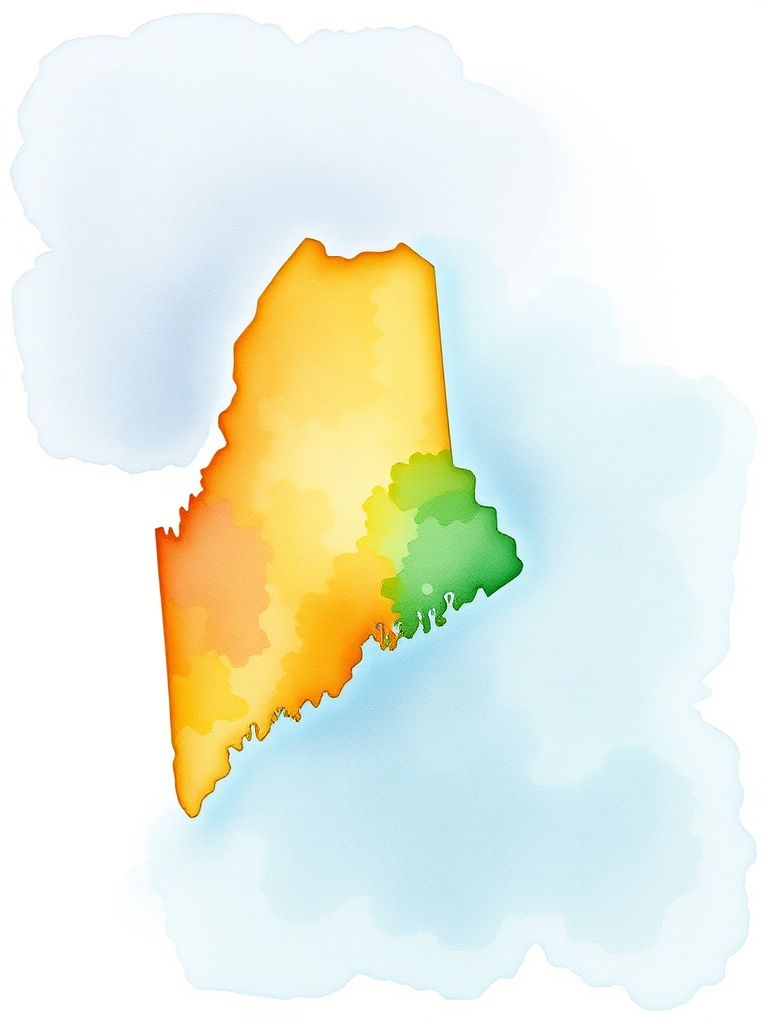
Maine lobster remains an enduring symbol of coastal life—delicious, storied, and increasingly mindful of conservation.
Enjoying it with awareness keeps both the flavor and the fishery thriving for the long term.