Vermont Maple Syrup: Sustainable Sugaring, Culinary Pairings, and Sugarhouse Experiences
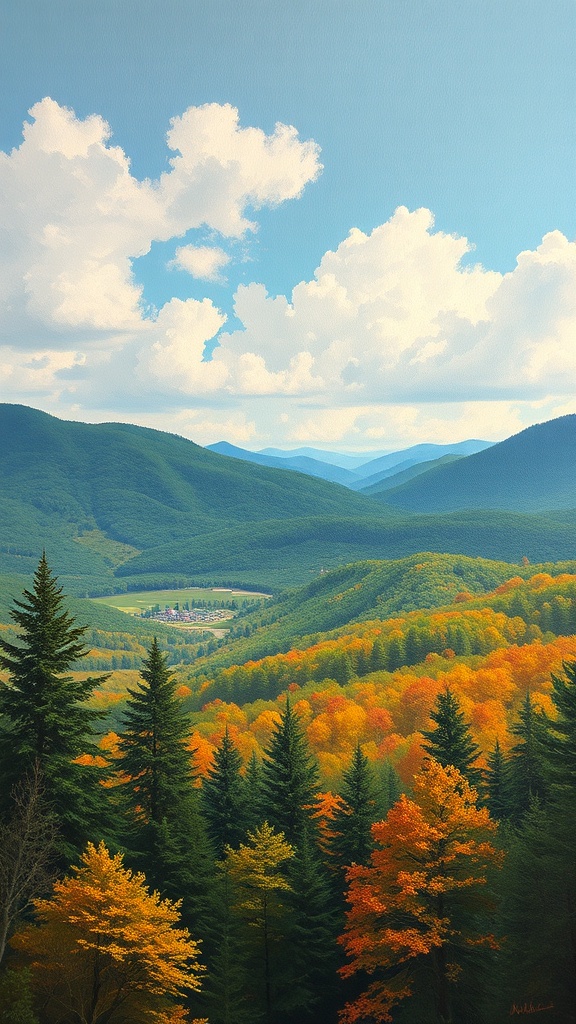
Vermont’s maple culture is more than a sweet tradition — it’s a living connection between landscape, climate, and community. For visitors and residents alike, maple syrup is a gateway to understanding how rural economies, forest health, and culinary craft come together in a place known for its rolling mountains and working farms.
What makes Vermont syrup distinctive
Pure maple syrup is made from tree sap concentrated through boiling. Vermont producers are known for small-batch craftsmanship, careful forest stewardship, and traceability that ties each bottle back to a specific sugarbush. Look for labels that state “pure maple” and list a producer or farm name; those are reliable signs you’re buying syrup rather than pancake syrup made from high-fructose corn syrup and flavorings.
How syrup is made — simplified
Sap collection starts when daytime temperatures rise above freezing and nights fall below.
Modern sugaring combines traditional knowledge with efficient techniques: spiles and tubing capture sap, vacuum systems increase yield, and evaporators concentrate the sap into syrup. Many sugarhouses use reverse osmosis machines to remove water before boiling, which saves fuel and reduces emissions.
A catalyst for sustainable forestry
Maple production incentivizes keeping forestland intact. Healthy sugarbushes require mixed-age, mostly hardwood stands; that encourages permanent forest cover rather than clearing for development.
Responsible producers manage trees for long-term health, tapping only mature trees and monitoring for pests and disease. Choosing syrup from trusted farms supports biodiversity, watershed protection, and carbon-friendly land use.
Culinary uses and local pairings
Beyond pancakes, maple syrup elevates both sweet and savory dishes. Try it with:
– Soft cheeses (chevre, ricotta) and toasted nuts
– Roasted root vegetables glazed with maple and mustard
– Maple-cured salmon or bacon for balanced sweetness and smoke
– Dressings and vinaigrettes that replace sugar with maple for depth
– Baking: use maple instead of refined sugar for a nuanced flavor profile
Many Vermont restaurants and farm markets celebrate local syrup with cheeseboards, cocktails, and maple-forward desserts. Bottles range from light, delicate flavors to deeper, robust notes suitable for different pairings.
Agritourism and sugarhouse experiences
Visiting a sugarhouse offers a tactile way to learn: watch evaporators at work, taste syrup straight off the pan, and meet producers who can explain tree selection and forest stewardship.
Many maple farms open for tours and tastings during sap-run weekends and offer maple products beyond syrup — candy, grain-sweetened treats, and maple butter.
Choosing and storing syrup
For the best flavor, buy pure maple syrup in glass bottles or food‑grade pails; plastic can impart off-flavors over time. Once opened, refrigerate to preserve freshness. For long-term storage, syrup can be frozen without a change in texture.
Supporting local communities
Purchasing from local producers supports family farms and the rural economy.
Many small producers sell directly at farmers’ markets, farm stands, and local co-ops, offering a transparent supply chain and a personal story behind each bottle.
Maple syrup is a simple product with complex benefits: culinary versatility, environmental stewardship, and community resilience. Whether you’re a home cook looking to experiment or a traveler seeking local flavor, Vermont’s maple tradition offers a sweet, sustainable connection to the land.