New Hampshire White Mountains Hiking Guide: Top Trails, Scenic Drives & Safety Tips
White Mountains Hiking Guide: Trails, Scenic Drives, and Safety Tips
New Hampshire’s White Mountains offer some of the most dramatic alpine scenery in the Northeast, from rugged peaks and clear mountain lakes to a patchwork of hiking trails and scenic byways. Whether seeking a day hike, a multi-day backpacking trip, or a fall foliage drive, a few practical tips and route ideas help make the most of the region while keeping the environment and fellow visitors in mind.
Why the White Mountains are special
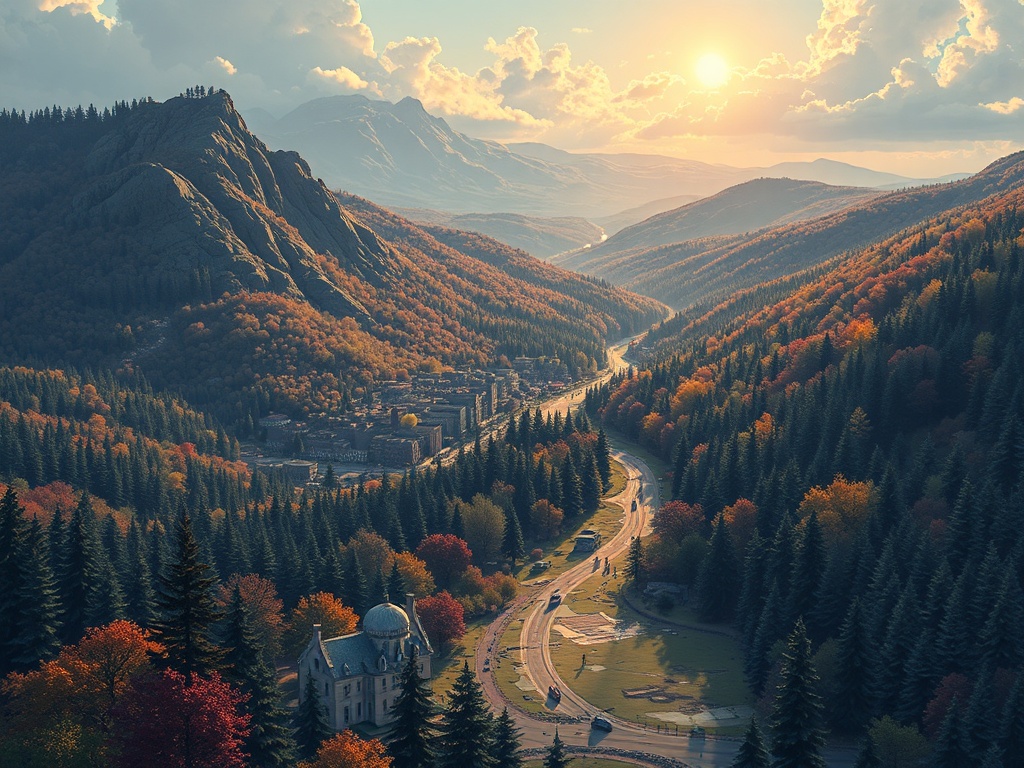
The range packs a variety of ecosystems into a compact area: dense northern hardwoods at lower elevations, boreal spruce-fir forests higher up, and fragile alpine tundra on the highest summits.
That variety creates striking views, abundant wildlife, and seasonal color that draws hikers, leaf-peepers, and outdoor lovers from near and far. The area also hosts well-maintained trail networks and a strong community of volunteers and trail crews who work year-round on conservation and access.
Top hikes and scenic routes
– Mount Washington: The highest summit in the region rewards effort with expansive views, but it also presents notoriously changeable weather and challenging terrain. Choose a route that matches experience and check conditions before heading out.
– Franconia Ridge Loop: A classic high-elevation ridge walk offering panoramic vistas; expect exposed sections and fast weather shifts.
– Mount Monadnock: A popular, accessible climb outside the main White Mountain range, known for its clear summit views and well-trodden trails.
– Kancamagus Scenic Byway: This scenic drive through the heart of the mountains delivers iconic overlooks, trailheads, and roadside access to short walks and waterfalls—ideal for a flexible day trip.
– Waterfalls and gorges: Short, family-friendly hikes and boardwalks around features like Flume Gorge provide easy access to dramatic water-carved scenery.
Safety essentials and responsible hiking
– Check weather and trail conditions before departure. Mountain weather can change quickly; a sunny morning can turn windy and cold by midday.
– Dress in layers and carry rain protection. Bring insulating layers even for summer hikes, plus a hat and gloves for high summits.
– Navigation tools matter: map, compass, and a charged phone with offline maps are important backups. Trails may be less obvious above tree line.
– Pack core items: water, snacks, first-aid kit, headlamp, emergency shelter, and a whistle.
For winter or icy conditions, traction devices and an ice axe may be necessary.
– Practice Leave No Trace: stay on durable surfaces, pack out all trash, avoid damaging fragile alpine vegetation, and keep pets under control.
– Tell someone your plan and expected return time, especially for longer or less-traveled routes.
Where to stay and local flavor
Small towns around the mountains offer cozy inns, lodges, and campgrounds.
Local eateries, craft breweries, and farmstands showcase regional flavors—maple products, wood-fired fare, and fresh mountain produce. For a social backcountry experience, consider staying at a mountain hut or shelter run by local clubs that support trail stewardship and outdoor education.
Planning tips
Weekdays and early mornings are quieter on popular trails.
For fall travel, be prepared for heavy visitation on scenic corridors and park accordingly at designated lots. Consider guided options or a local ranger-led program to learn more about ecology and safety.
Exploring the White Mountains rewards careful planning and respect for the land. With the right preparation, visitors can enjoy unforgettable views, diverse trails, and the hospitality of mountain communities while helping preserve these landscapes for the next hikers who come along.