Berklee College of Music: Cross-Genre Education, Industry Connections & Career-Building
Berklee College of Music remains a leading destination for contemporary music education, combining rigorous musicianship with real-world industry skills.
Known for a cross-genre approach that blends jazz, pop, electronic, film scoring, and music business, Berklee nurtures artists who are equally creative and career-savvy.
Why Berklee stands out
Berklee’s curriculum emphasizes collaboration and practical experience. Students study songwriting, production, arrangement, and performance while gaining fluency with the latest music technology. Classrooms and studios are intentionally diverse: performers work with producers, composers partner with game audio specialists, and business students collaborate on artist branding projects.
This ecosystem mirrors the way music is created and marketed today.
Flexible learning options
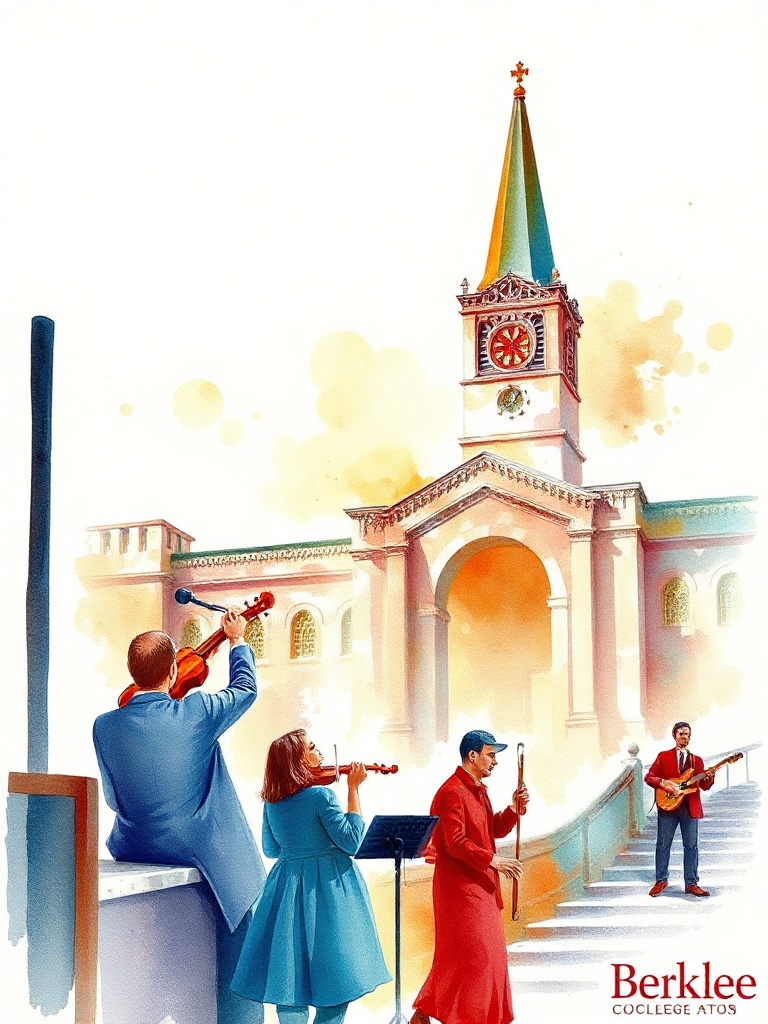
Beyond the on-campus experience, Berklee offers robust online and global programs that make its training accessible to students who can’t relocate. Online courses and certificate pathways cover music production, mixing and mastering, film scoring, and music business strategies—ideal for working professionals and self-directed creatives.
A global network of partner campuses and exchange programs also extends practical learning opportunities across cultures and markets.
Industry connections and career support
One of Berklee’s strongest assets is its industry ties.
Guest artists, producers, and music executives regularly lead master classes, workshops, and portfolio reviews, giving students direct access to current industry practices.
Career services focus on building sustainable careers: internship placement, pitching to labels and supervisors, and guidance on touring, publishing, and licensing. Alumni networks function as informal career accelerators, creating pipelines into studios, sync houses, and live-music circuits.
Performance and creative spaces
Performance opportunities are plentiful, with student ensembles, showcases, and public concerts that let emerging artists test material in front of real audiences.
State-of-the-art studios and labs provide hands-on experience with professional-grade recording, mixing, and live-sound equipment. These resources make it possible to build a professional portfolio before leaving school.
Emphasis on entrepreneurship and tech
The music industry is rapidly evolving, and Berklee emphasizes entrepreneurship and technological fluency alongside musical training. Programs in music business and creative entrepreneurship teach licensing, digital distribution, and direct-to-fan marketing strategies. Students are encouraged to prototype new models for monetizing music, leveraging social platforms, and integrating immersive audio and interactive media into their work.
Advice for prospective students
– Build a focused portfolio: showcase your best recordings, compositions, or performances in a clean, shareable format.
– Explore online offerings first: sample classes and certificates can clarify whether Berklee’s philosophy fits your goals.
– Network early: attend workshops, local showcases, and campus events to start building industry relationships.
– Learn the tech: proficiency with DAWs, audio interfaces, and session workflows is increasingly essential.
– Think beyond performance: consider how skills in production, sync licensing, or music business can expand career options.
Whether aiming to refine performance chops, master studio production, or launch an independent music enterprise, Berklee offers a practical, forward-looking education designed to meet the realities of today’s music landscape. Explore program options, attend an informational session, or sample an online course to see how its blend of creativity and career training can support your musical ambitions.