Ultimate Boston Travel Guide: Walkable Neighborhoods, Food, Culture & Innovation
Boston blends history, innovation, and neighborhood character in a compact, walkable city that rewards both first-time visitors and longtime residents. Whether you’re drawn by museums and sports, world-class universities, or a thriving culinary scene, Boston offers a mix of experiences that feel both timeless and forward-looking.
Walkable neighborhoods and distinct personalities
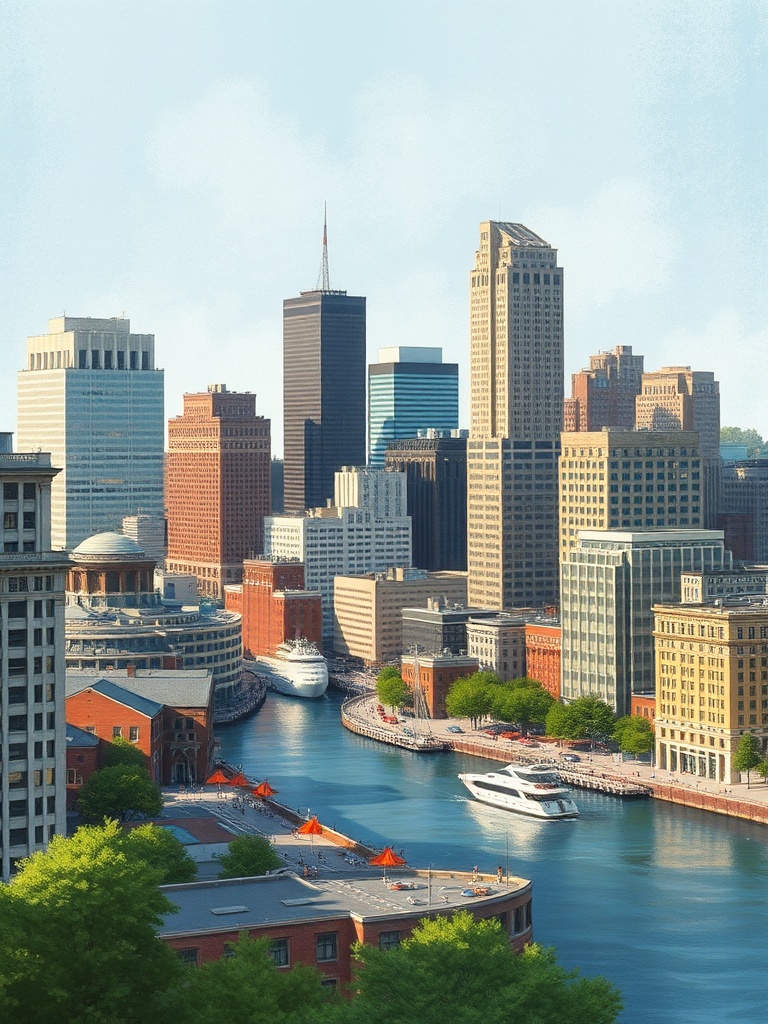
From the cobblestone streets of the North End to the brownstones of Back Bay, each Boston neighborhood has its own flavor. The North End tempts with Italian bakeries and narrow alleys; the Seaport delivers waterfront dining, galleries, and sleek new development; and the South End is known for brunch, art studios, and Victorian architecture. Across the river, Cambridge’s college campuses and innovation hubs create a lively contrast. Friendly blocks, street festivals, and small local shops make exploring by foot one of the city’s greatest pleasures.
Culture, museums, and public spaces
Boston’s museum scene is rich and varied. Major institutions offer encyclopedic collections and rotating exhibitions, while boutique museums provide more intimate encounters with art and history. For hands-on science and family-friendly exhibits, interactive spaces near the river are popular. Green space is never far—Boston Common and the Public Garden offer classic city park experiences, and the Emerald Necklace provides longer paths for running and biking.
Sports and the Fenway experience
Catch the electric atmosphere of a game near a historic ballpark or join locals watching college and professional sports across town.
Sporting events are cultural touchstones here—tailgates and neighborhood gatherings make them as much about community as competition. Even outside game time, the surrounding neighborhoods buzz with sports bars, restaurants, and fan culture.
Transit and getting around
Boston’s public transit system makes most neighborhoods accessible without a car. The subway (“the T”), commuter rail, ferries, and an expanding network of bike lanes keep the region connected. Contactless payments and reloadable transit cards simplify rides, and bike-share programs provide a convenient option for short trips. For longer excursions, commuter rail and regional buses reach suburbs and nearby attractions.
Food and nightlife
Culinary offerings range from oyster bars and seafood shacks to cutting-edge tasting menus and globally inspired casual eateries.
Neighborhood restaurants emphasize seasonal produce and local seafood, while food markets and late-night options cater to a variety of tastes. For nightlife, small music venues, cocktail bars, and cultural events keep things lively after dark.
Innovation, education, and the economy
A dense concentration of universities, research centers, and biotech firms fuels a dynamic innovation economy. Startups, established companies, and academic institutions frequently collaborate, creating a steady stream of new ideas and job opportunities. That energy also supports a bustling scene of coworking spaces, incubators, and public programming.
Practical tips for visitors
– Pack comfortable shoes: Boston’s charm is best experienced on foot.
– Use transit apps and reloadable cards for the quickest trips across neighborhoods.
– Explore outside the central loop—hidden parks, neighborhood bakeries, and local galleries reward detours.
– Reserve popular restaurants and museum tickets in advance when possible.
Whether you’re here for a weekend getaway, a longer stay, or to explore career opportunities, Boston delivers an engaging mix of history, culture, and innovation. Embrace the neighborhoods, try a few local favorites, and let the city’s compact scale and big personality guide your discoveries.