Boston Guide: Neighborhoods, Innovation Hubs, Culture, and Waterfront Living
Boston blends old-world charm with a fast-paced innovation economy, making it a compelling place to live, work, and visit. From the cobblestones of the North End to the glass towers of the Seaport, the city offers a mix of history, culture, and cutting-edge industries that keep it relevant on the global stage.
Why innovation thrives
Boston’s ecosystem is anchored by world-class universities and major medical centers that continually spin out research, startups, and talent. Neighborhoods like Kendall Square, the Seaport, and the Longwood Medical Area act as magnets for biotech, life sciences, and tech firms. A dense network of incubators, accelerators, and venture capital firms helps early-stage companies scale, while collaborations between academia and industry speed commercialization of new ideas.
Culture and lifestyle
Cultural institutions are easy to access and richly diverse.
Museums, historic sites, and performing arts venues sit alongside a dynamic food scene that ranges from classic New England seafood to inventive fusion restaurants. Neighborhoods each offer distinct personalities:
– Back Bay: Iconic brownstones, high-end shopping, and the Boston Public Library
– North End: Italian heritage, bakeries, and narrow streets
– South End: Culinary hotspots and Victorian architecture
– Seaport: Waterfront dining, galleries, and modern offices
– Fenway/Kenmore: Sports fervor, live music, and collegiate energy
Parks, waterfronts, and outdoor life
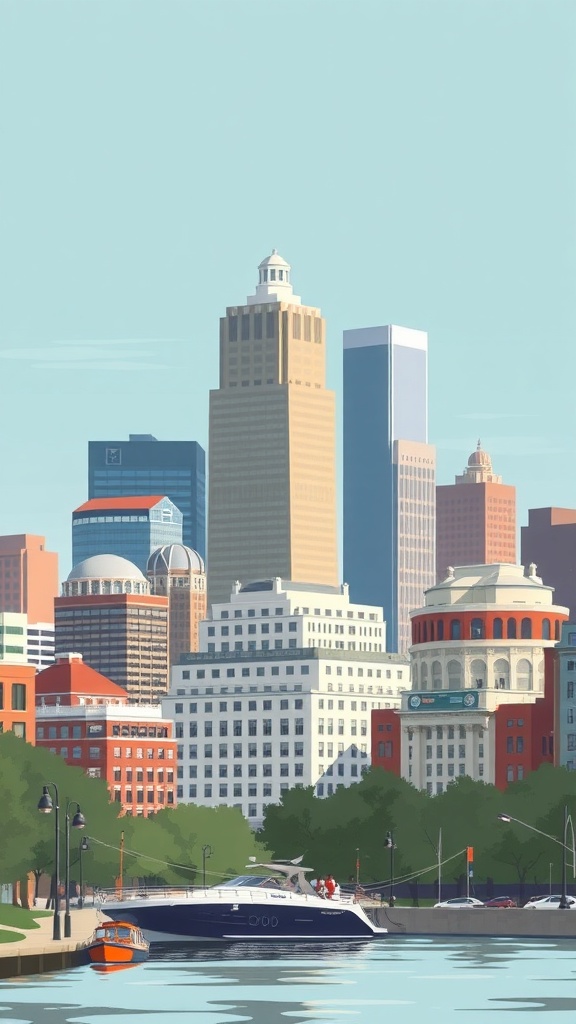
Green space and waterfront access are hallmarks of the city. The Emerald Necklace links parks and waterways for running, walking, and recreation.
The Harborwalk stretches along the waterfront, providing scenic routes for joggers and casual strollers alike.
For a river perspective, paddling on the Charles River or biking along its paths offers both exercise and skyline views.
Getting around
Public transit makes exploring the city practical. Frequent rail and bus services connect key neighborhoods, while commuter rail and ferries provide regional links for people traveling to and from surrounding areas. For short trips, biking and e-scooters have become common complements to transit. Walkable neighborhoods make many errands, dining, and entertainment options accessible without a car.
Resilience and development
As development continues along the waterfront and throughout the city, resilience to coastal flooding and extreme weather is a growing focus.
Projects that integrate flood protection with public space, green infrastructure, and improved stormwater management are shaping how the city grows. New building standards and neighborhood-level planning aim to balance development with climate preparedness.
Practical tips for visitors and new residents
– Use transit passes for cost-effective travel; parking can be costly and scarce in central neighborhoods.
– Explore neighborhoods on foot to appreciate architecture, hidden parks, and local eateries.
– Check museum and performance schedules in advance—many venues offer evening or late-hour options.
– For a less touristy experience, venture into residential neighborhoods on side streets where local cafes and markets thrive.
Boston’s combination of historic neighborhoods, cultural institutions, and a thriving innovation economy creates a city that feels both familiar and forward-looking. Whether the draw is career opportunities in research and startups, top-tier cultural attractions, or simply a walk along the harbor, the city continues to attract people who want a rich urban experience with access to green space and a strong sense of community.