How Harvard Balances Tradition, Access, and Innovation: Financial Aid, Interdisciplinary Research, and Entrepreneurship
Harvard: How an Ivy League Icon Balances Tradition, Access, and Innovation
Harvard University remains one of the most recognizable names in higher education, but its appeal goes beyond brand recognition. Today, Harvard blends historic traditions with forward-looking programs that emphasize access, interdisciplinary research, and entrepreneurship — making it a model for universities navigating change.
Access and financial aid
A defining feature of Harvard’s approach to access is its strong financial aid policy. The university aims to meet full demonstrated financial need for admitted undergraduates, using grants rather than loans in many aid packages so students graduate with reduced debt burdens. For domestic applicants, admissions are evaluated without regard to financial need; for international applicants, financial need can be a factor in admissions decisions, but substantial aid is still available for many admitted students. Prospective applicants should prepare the required financial aid forms early and understand the difference between institutional aid and external scholarships when planning costs.
Interdisciplinary research and academic breadth
Harvard’s structure encourages cross-school collaboration: faculty and students regularly work across the College, professional schools, and research centers. This creates opportunities for joint degrees, cross-listed courses, and research that spans fields like public health, engineering, data science, and the humanities. The university’s library system, one of the largest academic collections in the world, supports this breadth with deep primary sources, special collections, and modern digital resources that accelerate scholarship.
Entrepreneurship and the innovation ecosystem
For students and alumni with startup ambitions, Harvard’s innovation ecosystem is a major asset.
The university offers incubators, mentorship networks, and funding pathways that connect entrepreneurs with investors and industry partners.
Programs designed for early-stage ventures help founders validate ideas, build teams, and navigate commercialization — often leveraging ties to the broader Boston innovation cluster.
Campus life and cultural resources
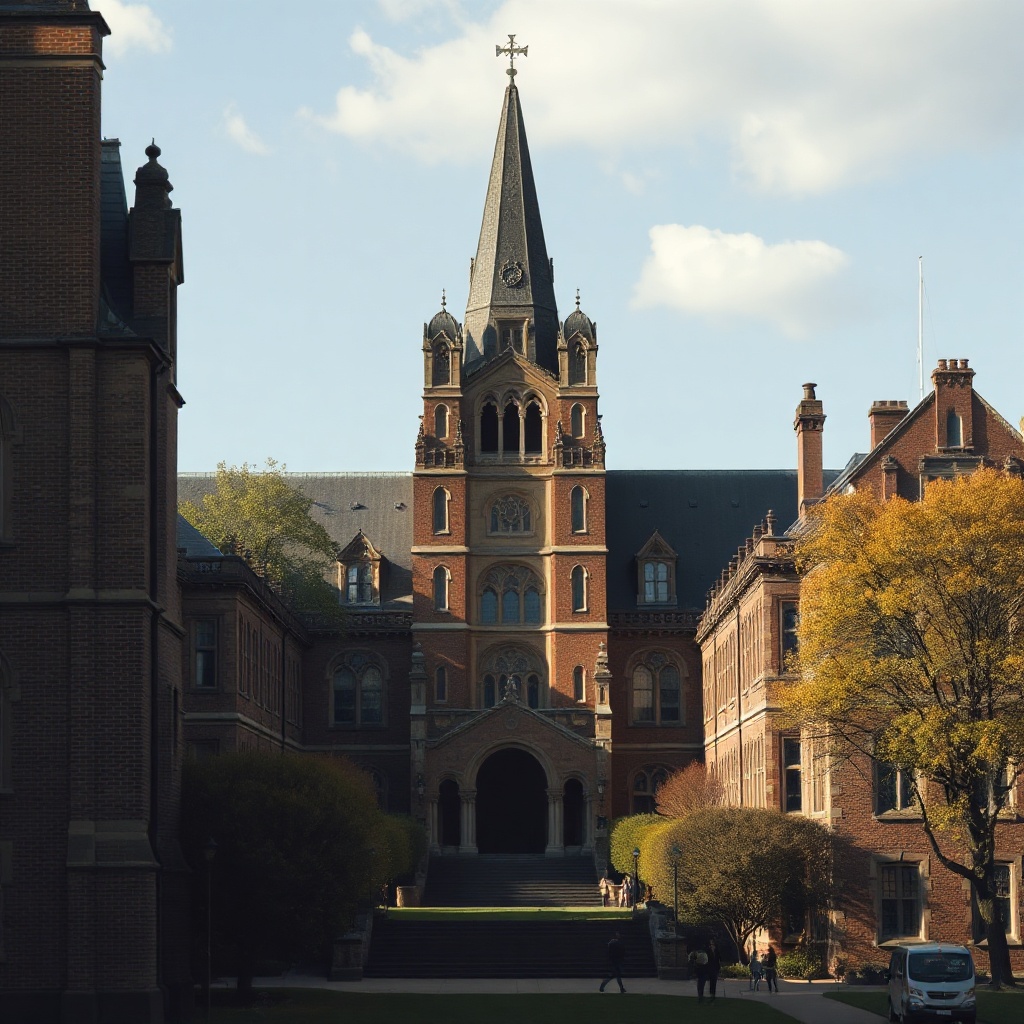
Campus life mixes historic architecture with modern amenities. Residential systems and student organizations foster community, while museums, performing arts spaces, and public lectures make the campus a cultural hub. Visitors can explore museums with world-class collections, attend public talks, or take advantage of open lectures and exhibitions that spotlight faculty research and student work.
Sustainability and community engagement
Sustainability and civic engagement are central to many campus initiatives. Research centers and student groups focus on climate solutions, urban policy, and social equity, partnering with local communities in Greater Boston and beyond. The university’s emphasis on applied research encourages projects that translate scholarship into community impact.
Practical tips for applicants and visitors
– Applicants: Focus on a holistic profile — academic performance, letters of recommendation, extracurricular depth, and a clear intellectual curiosity. Prepare financial aid documents early to avoid delays.
– Visitors: Check public event calendars and museum hours before you go; many exhibits and lectures are open to the public but may require registration.
– Entrepreneurs and researchers: Tap into cross-school programs and the library’s special collections early; these resources can fast-track project development and funding opportunities.
Why it matters
Harvard’s combination of historic prestige, financial commitment to many students, extensive research infrastructure, and a thriving innovation environment keeps it influential across academia, business, and public life. For students, scholars, and visitors, the university offers a dense ecosystem where tradition and experimentation coexist, fueling discoveries and creating pathways to impact.