Maine Lobster: Culture, Sustainability & How to Enjoy It Responsibly
Maine’s lobster is more than a dish—it’s the beating heart of coastal culture, an economic engine, and a touchstone for conversations about sustainability and climate. Whether you’re planning a coastal drive, choosing seafood at the market, or ordering a lobster roll at a bustling waterfront shack, a little context makes the experience richer and more responsible.
Why Maine lobster matters
Maine lobsters are prized for their sweet, firm meat and are tied to generations of family-run traplines and small harbors. The fishery supports coastal towns, dockside economies, and a network of wholesalers and restaurants. Beyond commerce, lobstering shapes community identity: the lobster boat, striped buoy, and orange trap float are icons that signal place as much as product.
How the fishery is managed
Maine’s lobster fishery is notable for a mix of local ownership, close-to-shore harvests, and community-driven management. Common conservation tools include trap limits, size limits to protect juveniles and egg-bearing females, trap tags for traceability, and the practice of v‑notching—marking egg-bearing females to ensure they are not harvested again. These measures, along with active monitoring by local fishermen, contribute to a fishery that many scientists and managers consider well-regulated.
Challenges facing the lobster industry
Like many coastal resources, lobstering faces environmental pressures. Rising ocean temperatures influence lobster distribution and seasonal behavior, and shell disease can reduce stocks and marketability in some areas. Increasing coastal development and gear conflicts—especially where tourist activity overlaps with fishing grounds—add social and economic strain.
Addressing these challenges requires coordination among fishermen, researchers, state managers, and coastal communities.
How to enjoy lobster responsibly
– Buy local and traceable: Look for lobster sold directly from harborside vendors or markets that can tell you where the catch came from.
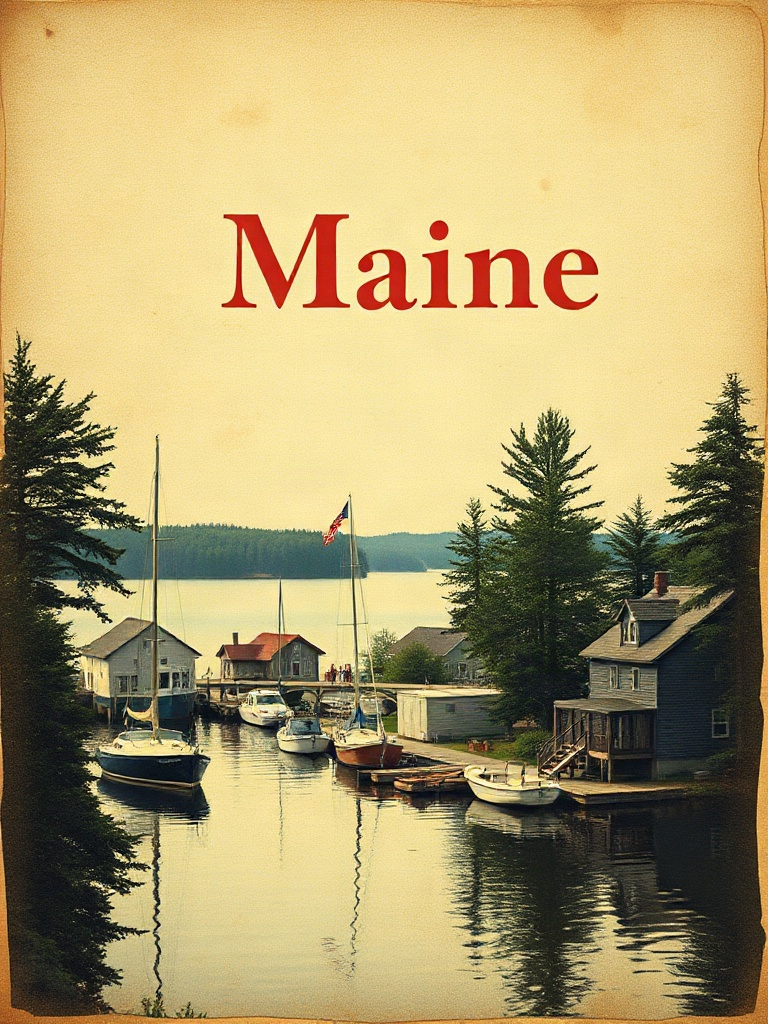
Traceability supports local fishermen and helps you avoid seafood that may have been sourced from less-sustainable fisheries.
– Choose live when cooking at home: Live lobsters keep best, but if you prefer pre-cooked lobster, ensure it was chilled and handled properly. When cooking live lobsters, use humane techniques and follow recommended guidelines for quick, high-heat methods.
– Try different preparations: Beyond steamed lobster and the classic lobster roll, try lobster in bisques, pasta, tacos, or grilled on skewers. Shell-on preparations maximize flavor for broth-based dishes.
– Respect seasons and rules: Support management measures such as size limits and protections for egg-bearing females—these rules exist to ensure lobster remains abundant for future generations.
Where to experience lobster
Coastal towns offer a variety of authentic experiences: visit a lobster pound for a hands-on meal, buy a freshly boiled lobster from a dockside vendor, or take a short boat ride to get a close-up view of working boats. Many small restaurants pride themselves on sourcing directly from local fishermen, providing both freshness and a story with your meal.
Looking ahead
Sustaining Maine’s lobster heritage depends on balancing economic vitality with careful stewardship. Research, adaptive management, and community engagement are key to navigating environmental shifts and maintaining the way of life tied to the sea. For visitors and locals alike, responsible choices—buying local, supporting sustainable practices, and learning about the industry—help ensure that Maine lobster remains a celebrated and enduring part of coastal culture.