New England fall foliage is a rite of passage for travelers, photographers, and anyone who loves dramatic seasonal change.
New England fall foliage is a rite of passage for travelers, photographers, and anyone who loves dramatic seasonal change. From windswept coastlines to tucked-away mountain valleys, the region delivers a patchwork of reds, oranges, and golds that beckon road trippers and nature lovers alike. Planning a memorable, responsible foliage trip takes a little timing, local knowledge, and a few practical habits that make the experience better for everyone.
Where to go for the best color
– Northern mountains and high elevations generally show color earlier than coastal areas. Treat high-country drives as reliable bets for vibrant displays.
– Iconic scenic routes include forested highways and back roads that thread through small towns and state parks. These corridors combine panoramic overlooks with access to trails and picnic spots.
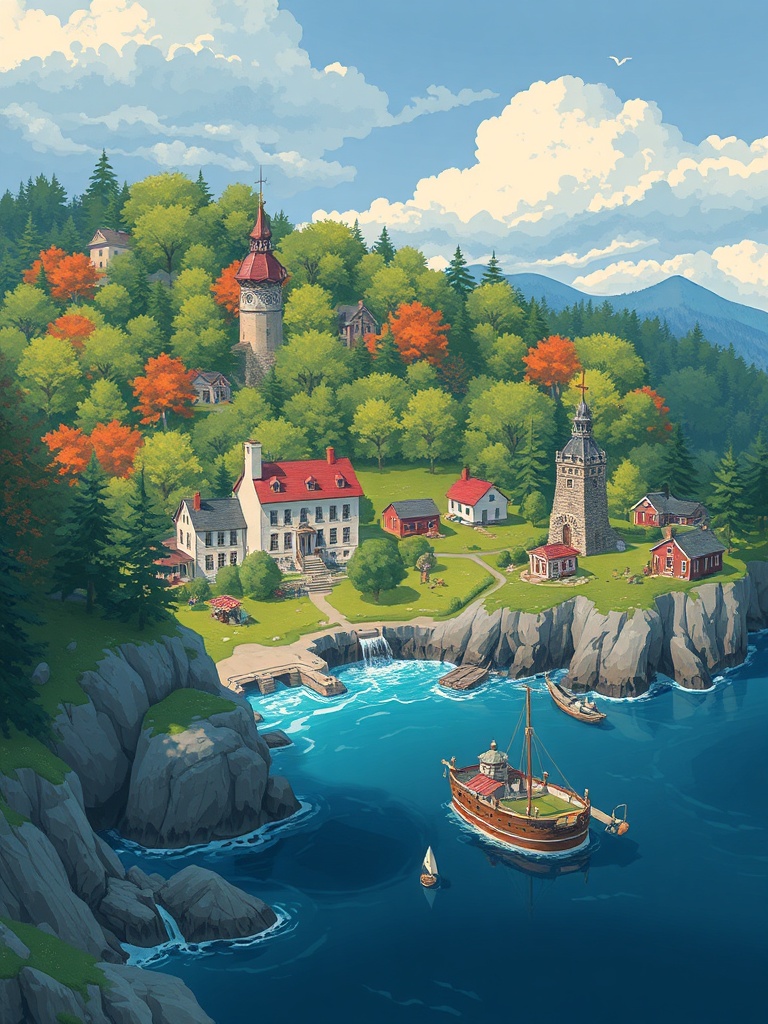
– Coastal towns add a different kind of beauty: maple and oak framed harbors, lighthouses fringed with color, and seaside vistas reflecting autumn hues.
Timing and what affects peak color
Foliage timing is influenced by temperature swings, daytime sunlight, and local elevation. A cool snap at higher elevation can intensify reds and purples, while a warm, wet stretch may delay or dull color. Because of these shifting conditions, flexibility is key — aim for a multi-day window rather than a single drive, and monitor local foliage reports and park updates to zero in on the best days.
Practical tips for a smoother trip
– Go midweek or early in the morning to avoid crowds, especially on popular loops and overlooks. Parking can fill quickly on high-traffic weekends.
– Pack layers. Autumn weather in New England can change throughout the day and from valley to ridge.
– Embrace alternative transport where available.
Trains, ferries, and local shuttles let you enjoy scenery without the stress of parking.
– Bring a reusable water bottle and a small daypack with snacks. Supporting local cafés and farm stands keeps money in small communities that rely on seasonal visitors.
– Respect private property and posted signs. Many of the best vistas are accessible via public overlooks, trails, and parklands.
Photography pointers
Early morning and late afternoon light create the richest color. Use a polarizing filter to boost contrast between leaves and sky and to cut glare on wet foliage. Vary composition — combine wide-angle landscape shots with close-up textures of leaves, bark, and lichen to capture the season’s diversity. Be patient: sometimes the best light and color reveal themselves after waiting for clouds to move or wind to die.
Sustainable and respectful travel
High visitation can strain rural infrastructure and fragile habitats. Stay on marked trails, pack out what you packed in, and opt for businesses that emphasize local sourcing and environmentally friendly practices. Consider low-impact activities like guided hikes that support land trusts and conservation groups working to protect these landscapes for future seasons.
Hidden gems and local flavor
Beyond the headline drives are small towns with cider mills, farmers’ markets, and craft shops where the local character shines. A short detour off the main routes often leads to serene lakes, covered bridges, and family-run orchards offering fresh-pressed cider and tastings. These quieter stops provide authentic experiences and help spread visitor impact across the region.
Whether you chase color along mountain rims, weave through coastal towns, or find a quiet lakeside bench, mindful planning makes a foliage trip more enjoyable and sustainable. Pack wisely, plan flexibly, and leave places better than you found them — the scenery will repay the effort many times over.