Maine’s coast is a living postcard
Maine’s coast is a living postcard: rocky headlands, working harbors, and lobstermen hauling gear at sunrise.
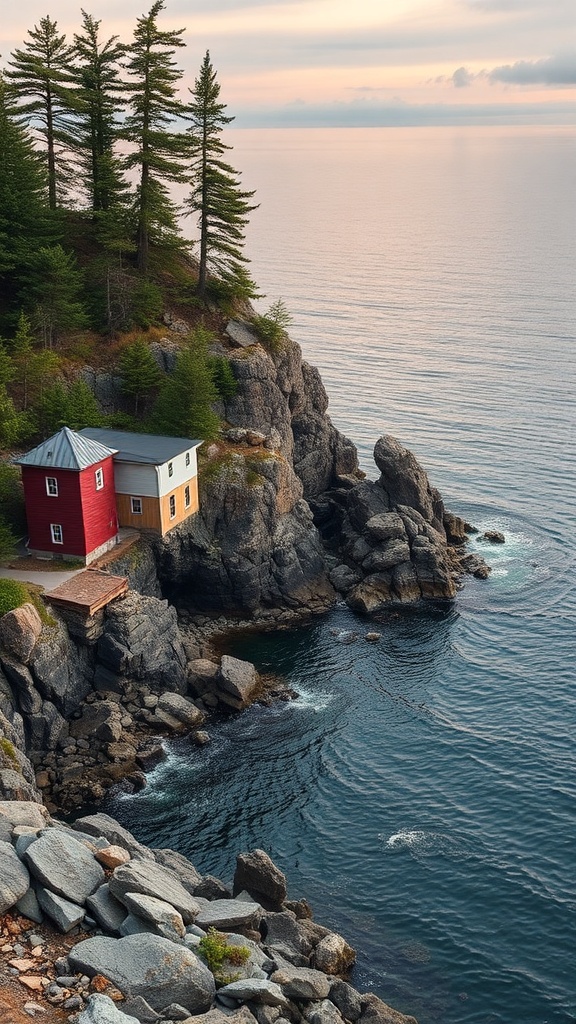
For travelers and locals alike, the state blends rugged outdoor adventure with a strong seafood culture and a growing focus on sustainability.
What to experience
– Coastal towns: Portland, Camden, and smaller harbors each offer a distinct vibe—craft breweries and farm-to-table restaurants in urban settings, and quiet harborside charm in village centers.
Stroll main streets for local galleries, artisan shops, and seafood shacks.
– National and state parks: Miles of shoreline and inland trails invite hiking, cycling, paddling, and birdwatching. Popular parks manage vehicle access and trail use to protect fragile landscapes, so check park guidance before you go.
– Lighthouses and scenic drives: Historic lighthouses punctuate the coast and make for classic photo stops. Coastal drives reveal hidden coves, tidal pools, and picnic spots with ocean views.
– Blueberries and farms: Wild lowbush blueberries grow across barrens and fields; many farms welcome visitors for u-pick experiences and freshly baked pies. Farm stands offer seasonal produce, honey, and preserves.
Lobster culture and responsible seafood
Lobster is both an economic backbone and a cultural touchstone.
Visit a working wharf to watch traps being hauled, then enjoy a lobster roll at a nearby counter. To support the industry’s future, look for restaurants and markets that follow sustainable practices: v-notching female lobsters to protect breeding stock, using escape vents to reduce bycatch, and adhering to local size and trap regulations. Choosing certified or locally sourced seafood helps sustain coastal communities and the fishery that supports them.
Outdoors with care
Tide awareness is essential for coastal exploration: mudflats and narrow causeways can become hazards when tides shift.
Wear sturdy footwear for rocky shores and bring layers—the ocean breeze can change conditions quickly. When skiing, hiking, or cycling inland, follow Leave No Trace principles and respect private property; many prime viewpoints are on family-owned land or conserved tracts with public easements.
Wildlife and conservation
Maine’s waters and forests support seals, seabirds, moose, and migrating shorebirds. Observe wildlife from a distance and minimize disturbance—nesting birds and seals are particularly sensitive during breeding seasons.
Conservation organizations and local governments are actively working on habitat protection, invasive species control, and climate resilience to keep ecosystems healthy for generations.
Practical tips
– Book accommodations and popular activities early during peak travel periods—many small inns and B&Bs fill quickly.
– Try local specialties beyond lobster: fresh oysters, clams, and dishes starring wild blueberries or heirloom vegetables at farm-to-table restaurants.
– Use local visitor centers and park websites for the latest trail conditions, ferry schedules, and marine forecasts.
– Support small businesses—buying from local fishmongers, bakeries, and artisans keeps money in the community and preserves the character of coastal towns.
Maine’s appeal comes from its balance of rugged natural beauty and warm, small-town hospitality. Whether you’re sampling seafood at a roadside shack, watching the sun set behind a lighthouse, or hiking a quiet coastal trail, the state rewards visitors who come prepared, travel responsibly, and take time to savor the simple pleasures along the shore.