How Maine’s Lobster Industry Is Adapting to Climate Change: Sustainability, Management & Market Innovation
Maine’s lobster industry is part of the state’s identity—driving coastal economies, shaping cultural rhythms, and feeding tables across the country and beyond.
That industry is navigating a period of significant change as warming ocean conditions, shifting lobster distributions, and market pressures collide with long-standing fishing traditions.
The result is a story of adaptation: scientific collaboration, management innovation, and new market approaches that aim to keep lobster fishing viable for the communities that depend on it.
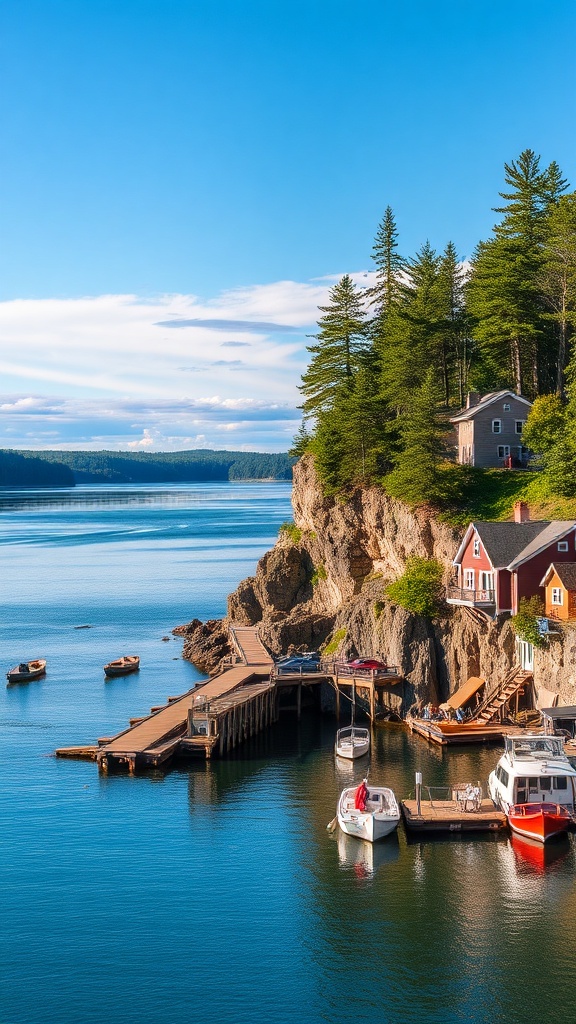
Environmental shifts are the headline driver. Warmer waters are altering lobster life cycles and pushing populations northward.
Lobstering grounds that were reliably productive are seeing changes in juvenile settlement and molting patterns, which affects future catches. At the same time, events like marine heatwaves and changes in oxygen levels create additional stress on lobster habitats.
These trends are prompting resource managers and fishermen to work more closely with universities and research organizations to monitor populations, track larval settlement, and model future habitat suitability.
Management strategies are evolving to reflect scientific findings and local knowledge. Measures such as size limits, v-notching to protect egg-bearing females, trap limits, and area closures are all tools being adjusted to support sustainable harvests.
Importantly, the shape of management is increasingly collaborative, with fishermen participating in data collection and policy discussions. This co-management approach helps ensure regulations are practical for working boats while targeting long-term stock health.
Economic adaptation is also underway. With wholesale market volatility and changing international demand, many participants in the lobster supply chain are diversifying. Processors and fishermen are expanding into value-added products—pre-cooked lobster, ready-to-heat meals, and frozen retail items—as well as direct-to-consumer sales through online platforms. These strategies stabilize income streams and capture more of the retail margin that historically went to middlemen.
Aquaculture and seaweed farming are emerging complements to traditional fishing. Seaweed cultivation shows promise for carbon sequestration, nutrient uptake, and supporting new local markets for food and agricultural products. Bivalve farming—like mussels—offers low-input, sustainable protein that can diversify coastal enterprise.
However, aquaculture development carries its own environmental and regulatory challenges, and careful siting and monitoring are essential to balance industry growth with ecosystem health.
For coastal communities, lobster is more than a commodity; it’s an anchor for tourism and local culture. Festivals, waterfront restaurants, and scenic lobster boat fleets draw visitors and bolster local businesses. Maintaining healthy, abundant fisheries supports broader economic resilience across ports from small harbors to larger coastal towns.
What can consumers and supporters do? Choices matter for long-term sustainability:
– Buy from trusted local suppliers or markets that disclose sourcing and seasonality.
– Look for fisheries or brands that follow responsible harvest practices and transparency.
– Support policies and organizations that fund scientific monitoring and fishermen-led research.
– Consider value-added products that showcase traceability and fair-return for fishers.
The future of Maine’s lobster economy will depend on continued scientific monitoring, adaptive management, and market innovation. With collaborative approaches and responsible consumption, it’s possible to protect both a cherished way of life and the marine ecosystems that sustain it—ensuring lobster remains part of coastal culture and cuisine for generations of Mainers and visitors alike.