Inside the Boston Celtics’ Blueprint for Sustained Contention
Boston Celtics: Why the franchise remains a model of sustained contention
Few franchises combine history, expectation, and present-day relevance like the Boston Celtics. A hallmark of the organization is the way it balances superstar talent with depth, coaching clarity, and a fan base that transforms TD Garden into a real home-court advantage. That mix keeps the team relevant season after season and makes every game must-watch for basketball fans.
Star duo and role players
At the center of Boston’s success is a dynamic star pairing that commands the offense and draws defensive attention. Those two scorers create space for others and make late-game execution more reliable.
Surrounding them, the Celtics invest in versatile role players who defend multiple positions, rebound on both ends, and knock down open threes. That blend of elite scoring and “3-and-D” bench options is a blueprint for sustained competitiveness.
Defense as identity
Defense has long been a cornerstone of the Celtics’ identity. That starts with team principles — aggressive on-ball pressure, help-side rotation, and switching where advantageous — and extends to rim protection and rebounding.
Opponents must work to create high-quality shots, which fuels fast-break opportunities and keeps Boston’s offense efficient even in tighter games.
Coaching and development
A consistent coaching philosophy helps young players transition into useful rotation pieces quickly.
The staff puts an emphasis on player development, using both analytics and film study to fine-tune strengths and address weaknesses. That development pipeline keeps roster costs manageable while maintaining a high floor of production from bench depth.
Roster construction and flexibility
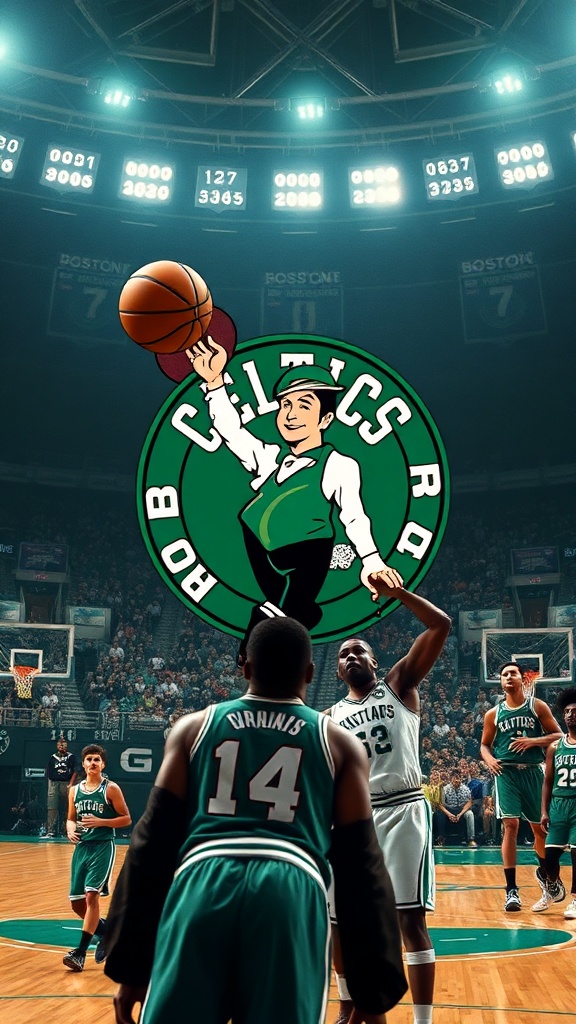
Front offices that win over time build rosters with flexibility. The Celtics often prioritize two-way players who can contribute on offense and defense, retain cap space for key in-season moves, and avoid long-term deals that limit maneuverability.
That approach allows for tactical roster tweaks and the ability to respond when injuries or matchup concerns arise.
TD Garden and fan culture
Boston’s home arena is more than a venue — it’s a fortress. Fans are knowledgeable, vocal, and intense, creating an atmosphere that energizes the team and frustrates visitors. That cultural edge is a competitive advantage that shows up most in close games and playoff environments.
What to watch this season
– Defensive consistency: Can the team keep opponents’ effective field goal percentage low, especially against high-pace squads?
– Bench scoring: Depth wins playoff series. Look for bench units that sustain leads and close scoring gaps when starters rest.
– Health and load management: Long-term success often comes down to smart player minutes and injury prevention.
– Late-game execution: Clutch performance from the stars and reliable role-player contributions determine big-game outcomes.
Rivalries and narrative
Historic rivalries always add spice to the schedule. Matchups against traditional foes and marquee teams provide a measuring stick for championship aspirations and reveal how the Celtics match up stylistically against elite competition.
Following the team
For fans and casual observers alike, the Celtics offer a mix of star power, team-first basketball, and tactical nuance. Whether tracking advanced metrics or tuning in for the atmosphere at TD Garden, there’s always something meaningful to follow — from tactical adjustments to breakout performances that shift a season’s arc.