New Hampshire Travel Guide: Mountains, Lakes, Coast & Seasonal Tips
New Hampshire packs surprising variety into a compact state — dramatic mountains, clear lakes, a rocky seacoast, and towns full of New England charm. Whether you’re planning a weekend escape, a week-long outdoor adventure, or scouting a place to relocate, understanding what makes this state distinctive helps you make the most of any visit.
Landscape and outdoor recreation
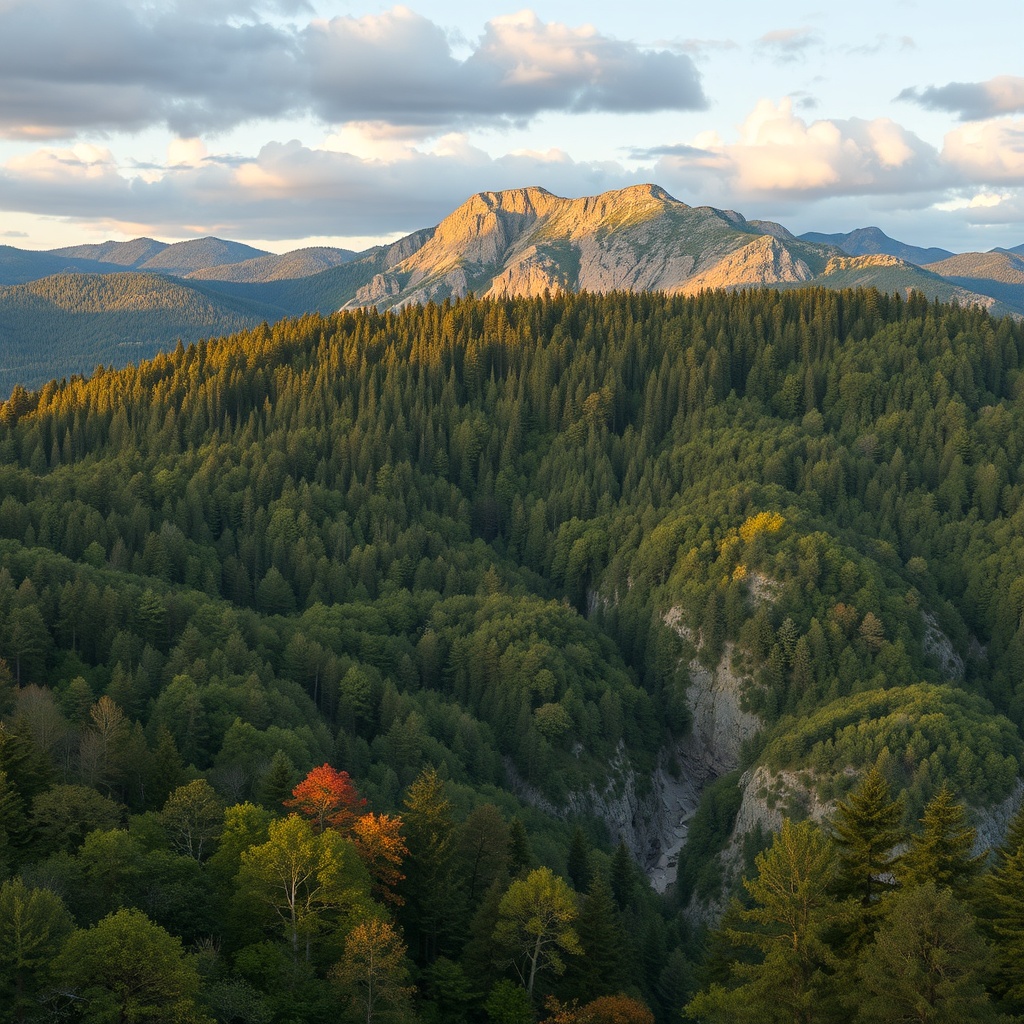
The White Mountains dominate the northern landscape, offering hiking, rock climbing, and scenic drives that showcase rugged peaks and dense forests. Trails range from short nature walks to multi-day treks along sections of the Appalachian Trail; hikers should prepare for rapidly changing conditions and bring layered clothing, plenty of water, and reliable navigation tools. The Lakes Region centers on expanses of water like Lake Winnipesaukee and Squam Lake, drawing boaters, anglers, and swimmers during warm months and offering quiet shoreline walks when crowds thin. The seacoast is compact but lively — coastal towns blend seafood shacks, historic districts, and sandy beaches.
Seasonal highlights and leaf-peeping
New Hampshire’s seasons each bring different reasons to visit.
Spring and summer reveal wildflowers, kayaking opportunities, and festival calendars.
Fall foliage is a major attraction: cooler nights and crisp days turn forests into patchworks of red, orange, and gold, prompting scenic drives, photography stops, and crowded inns — so book early and consider midweek travel. Winter turns mountain towns into hubs for alpine and Nordic skiing, snowshoeing, and snowmobiling, with many resorts offering lessons and family-friendly trails.
Small towns, food, and culture
Historic mill towns and postcard-perfect villages are threaded across the state. Portsmouth stands out as a cultural and culinary hub, with seafood restaurants, boutiques, and a lively arts scene anchored by restored brick streets and waterfront views. Local food culture favors farm-to-table dining, seasonal farmers’ markets, artisanal cheeses, and a growing craft beer and cider movement. Covered bridges, historic homes, and community events help preserve a strong sense of place in many towns.
Practical travel tips
– Transportation: Many highlights are best accessed by car; travel times can be longer than map distance suggests due to winding roads through rural areas. For coastal or southern visits, the state is an easy drive from major metropolitan centers.
– Lodging: Options range from rustic cabins and campgrounds to boutique inns and larger resorts. During peak seasonal events, book accommodations and attractions in advance.
– Cost and taxes: New Hampshire is known for the absence of a broad-based state sales tax and no statewide personal income tax on earned wages, which can affect shopping and cost-of-living considerations. Property taxes tend to be higher than some neighboring states, an important factor for buyers and long-term residents.
– Safety and conservation: Respect trail closures, follow Leave No Trace principles, and check current trail and road conditions before setting out, especially in remote mountain areas.
Lifestyle and community
For those considering longer stays or relocation, New Hampshire offers a mix of rural quiet and small-city amenities. Strong public-school systems, active community organizations, and accessible outdoor recreation attract families and outdoor enthusiasts alike. Local economies vary by region, with tourism playing an outsized role in many communities and small businesses driving cultural offerings.
Whether you’re chasing quiet lakeside mornings, epic mountain views, or a weekend of coastal dining and history, New Hampshire delivers a wide range of experiences in a compact, easily navigable footprint. Plan according to season, prioritize reservations for popular destinations, and come ready to enjoy the kind of natural scenery and community-focused culture that define this part of New England.