New England Coast: Balancing Offshore Wind, Fisheries & Resilience
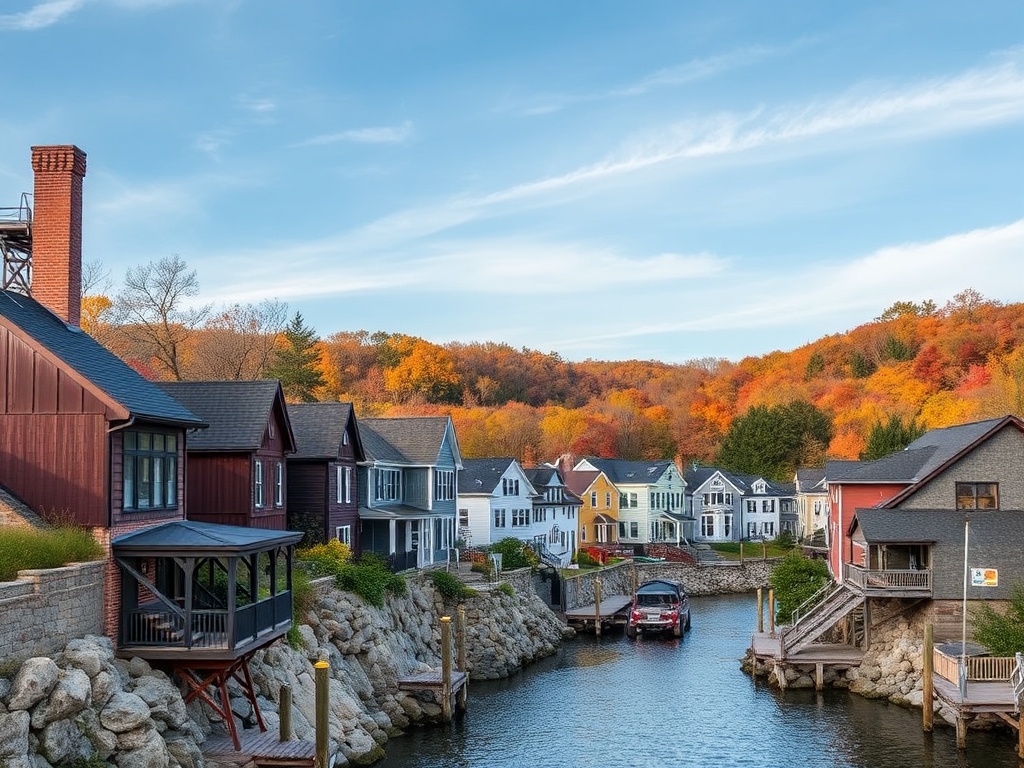
New England’s coastlines have always been a mix of rocky shores, working harbors, and resilient towns — and today they’re at the center of an evolving balance between tradition and new industry. As offshore wind development expands and climate impacts reshape marine ecosystems, coastal communities face fresh opportunities and complex trade-offs.
Understanding what’s happening along the coast helps residents, business owners, and visitors make informed choices.
Why this matters now
Shifts in ocean temperature and sea level, combined with increasing interest in renewable energy, are driving change. Offshore wind promises clean energy and local jobs, while fisheries and tourism remain vital to regional economies. When these interests align, they can create durable local prosperity; when they clash, tensions arise around access to fishing grounds, shoreline character, and habitat protection.
What stakeholders are watching
– Fishermen and seafood industries: Commercial fishermen are monitoring how new installations may alter traditional routes and marine life patterns.
Protecting spawning and feeding grounds remains a priority, as does ensuring clear communication channels about construction schedules and gear safety.
– Coastal towns and homeowners: Shoreline planning now integrates erosion control, managed retreat in some areas, and nature-based solutions like salt marsh restoration. Local zoning and harbor planning are adapting to both resilience needs and new infrastructure.
– Renewable energy developers: Companies are working to minimize ecological disruption and maximize community benefits through local hiring, port upgrades, and compensation for impacted users. Transparency and early engagement with fishing communities are increasingly standard practice.
– Conservation groups and scientists: Ongoing monitoring seeks to track species movements, seabed disturbance, and the cumulative impacts of multiple projects.
Adaptive management — adjusting operations as new data appear — is becoming a key tool.
Practical steps for coexistence
Coastal resilience and responsible development don’t have to be mutually exclusive. Effective approaches include:
– Collaborative planning: Establishing joint working groups that include fishermen, town officials, scientists, and developers helps identify mutually acceptable sites and timing for construction activities.
– Flexible navigation measures: Clear, updated charts and communication protocols reduce accidental gear damage and enhance safety for commercial and recreational vessels.
– Port and workforce investment: Upgrading ports to support both fishing fleets and offshore operations can create jobs while preserving traditional uses of the coastline.
– Habitat-focused mitigation: Restoring eelgrass beds, enhancing shellfish habitat, and avoiding critical spawning grounds minimizes ecological disruption.
What visitors should know
If you’re planning a coastal trip, expect a coastline that’s active with construction in some zones and restoration projects in others. Respect posted signs and navigational restrictions, support local harborside businesses, and seek out educational tours that explain how coastal energy and conservation efforts work. Sampling local seafood not only offers great flavor but also supports communities navigating these transitions.
A look ahead
The coastal landscape is changing, but the character of New England — its maritime heritage, small harbor towns, and strong community voice — continues to shape development. When stakeholders work together, the region has the potential to lead in both clean energy and sustainable fisheries management.
Staying informed, prioritizing clear communication, and investing in both nature-based solutions and local economies will help preserve the working waterfronts and scenic shores that define New England.