Why Northeastern University’s Experiential Learning Model Continues to Produce Career-Ready Graduates
Northeastern University: Why its experiential model still shapes career-ready graduates
Northeastern University’s defining feature is its emphasis on experiential learning — a practical, career-focused approach that blends classroom study with paid work experiences, global projects, and research partnerships. For students, employers, and community partners seeking tangible outcomes, Northeastern’s model remains a leading example of how higher education can bridge academics and the world of work.
What makes experiential learning effective
At the core is structured, credit-bearing work integrated with academic programs. Students apply theory to real-world problems through co-op placements, internships, research assistantships, and global programs. This hands-on exposure accelerates professional maturity, strengthens résumés, and often leads to full-time offers from host organizations. Employers gain access to motivated, trained talent who can contribute immediately.
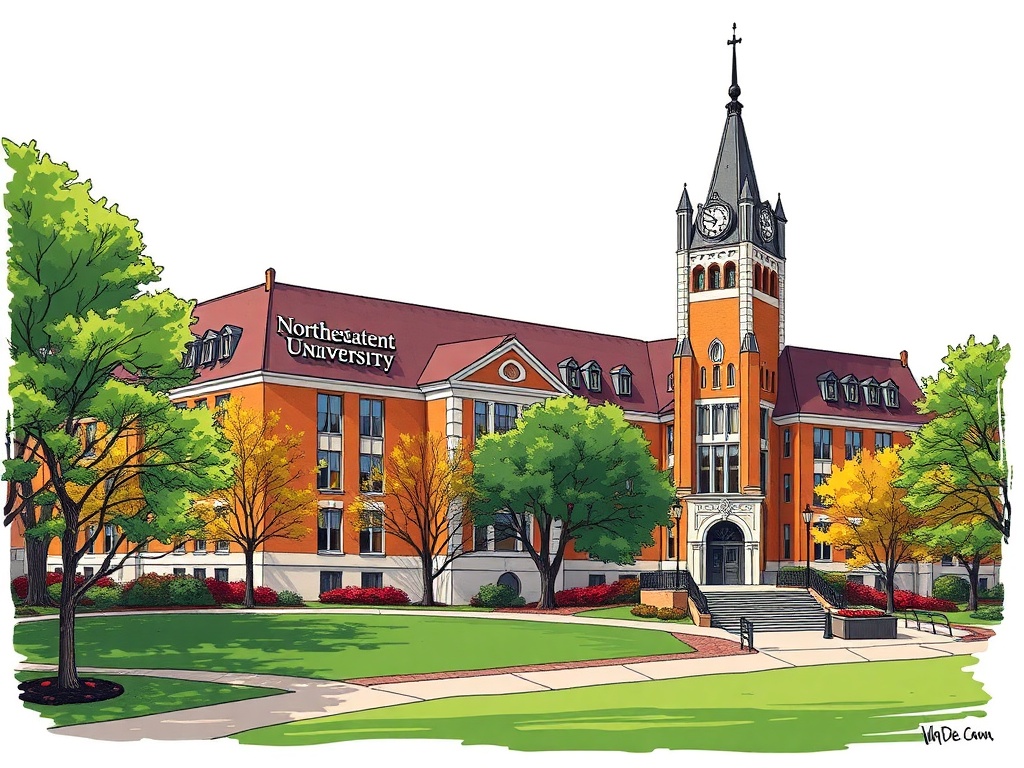
A global, interdisciplinary network
Northeastern’s reach extends beyond one campus. A network of campuses and global partnerships enables students to pursue opportunities in multiple cities and countries, gaining cross-cultural competence and diverse professional experiences. Interdisciplinary research centers bring faculty and students together across engineering, health sciences, computer science, business, and social sciences to tackle complex challenges like climate resilience, public health, and ethical AI.
Innovation, entrepreneurship, and industry ties
Robust entrepreneurship support helps students turn ideas into ventures. Incubators and accelerators provide mentorship, prototyping space, and investor access. Strategic industry collaborations — from tech firms to healthcare systems — create pipelines for collaborative research, product development, and workforce placement. This ecosystem attracts employers who value candidates with applied skills and an innovation mindset.
Research and applied science impact
Northeastern’s research programs emphasize translational impact. Faculty and student teams work on projects that move from lab to market or community solutions, focusing on sectors such as biotechnology, robotics, data science, and sustainability.
Partnerships with hospitals, laboratories, and government agencies amplify research reach and provide training opportunities that prepare students for research careers and enterprise roles.
Student experience and campus life
Beyond professional development, Northeastern balances rigorous academics with a vibrant campus life. Student organizations, cultural centers, and service-learning projects foster leadership, civic engagement, and well-being. Support services — including career coaching, mentorship networks, and academic advising — help students navigate co-op cycles and balance work-study commitments without sacrificing mental health or academic progress.
Tips for students and employers
– For students: Start early with career planning. Build a portfolio of projects, get comfortable interviewing, and seek mentors who can provide industry insights. Treat each co-op like a short-term job with goals, measurable outcomes, and a plan for skill growth.
– For employers: Design co-op roles that have meaningful responsibilities and clear learning objectives.
Provide regular feedback and mentorship; many students evolve into long-term hires when given the right support.
– For community partners: Leverage student talent for local projects that address civic needs. Structured partnerships can amplify community impact while giving students real stakes in societal problems.
Sustainability and social impact
Sustainability initiatives and community-engaged scholarship are integrated into academic programs and campus operations. Students and researchers collaborate on energy-efficient building design, urban resilience planning, and equitable public health interventions, ensuring that experiential learning also contributes to social good.
Why it matters
Northeastern’s model aligns higher education with evolving workforce demands, producing graduates who are not only knowledgeable but practiced in translating that knowledge into solutions. For anyone evaluating universities, the emphasis on real-world learning, interdisciplinary collaboration, and strong employer connections makes Northeastern a compelling option for career-focused education and impactful research.