How Northeastern University’s Experiential Learning, Co-ops & Global Campuses Drive Career Success
Northeastern’s Edge: How Experiential Learning, Global Campuses, and Industry Ties Shape Student Success
Northeastern University is widely known for a distinctive focus: blending rigorous academics with real-world experience. That combination continues to set the institution apart, as students leverage cooperative education, interdisciplinary research, and a growing network of global campuses to launch careers and build startups.
Experiential learning at the center
The cooperative education (co-op) model remains a cornerstone.
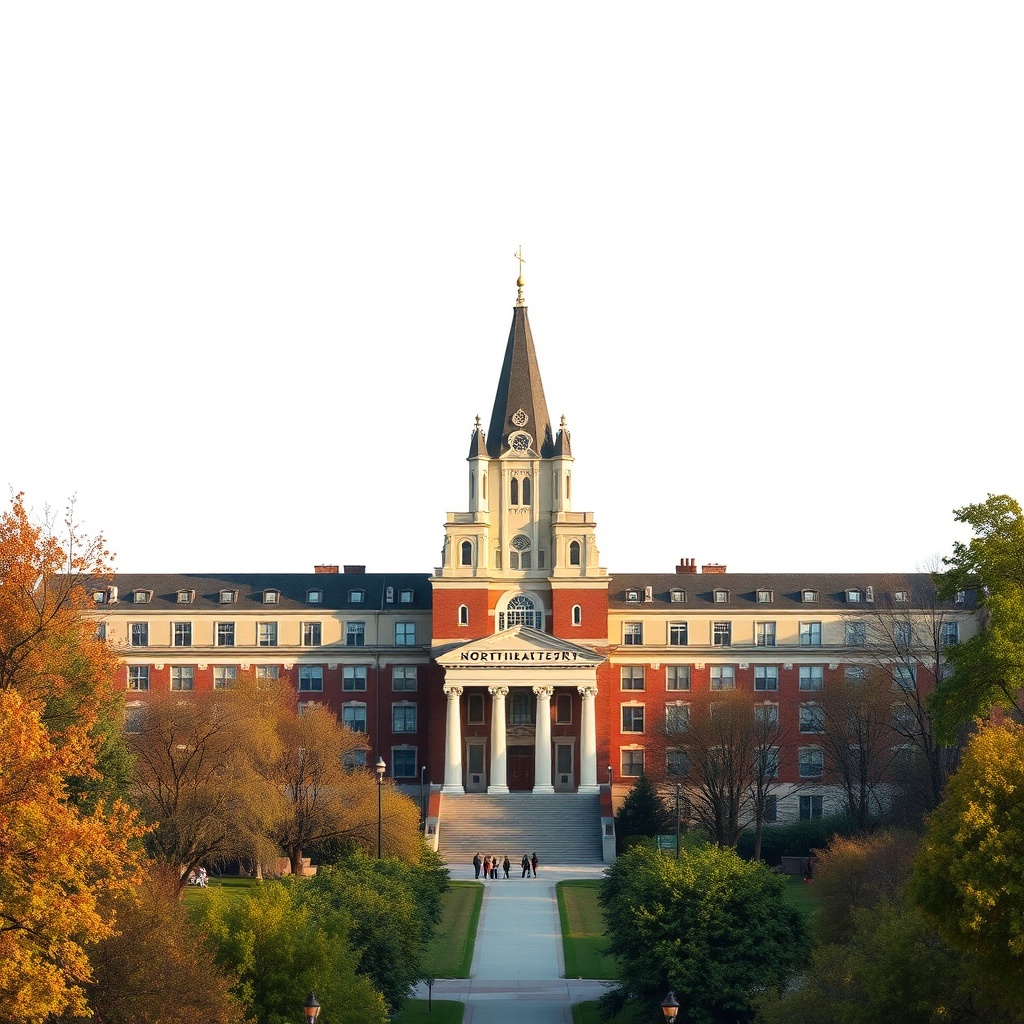
Rather than treating internships as optional add-ons, Northeastern integrates meaningful work terms into many degree paths, allowing students to rotate through paid placements with employers across industries. This hands-on approach accelerates skill development, clarifies career goals, and often translates into strong hiring outcomes after graduation.
What makes Northeastern’s model effective is the structure: career services and faculty coordinate to ensure co-ops match curricular goals, while reflection and classroom integration help students convert workplace experience into academic and professional growth.
For prospective students, choosing programs with built-in experiential components can deliver both clarity and momentum.
Global campuses and industry partnerships
Northeastern’s multi-campus network provides more than geographic variety. Global campuses and partnerships form pipelines to international employers and research collaborators, expanding opportunities for cross-cultural learning and collaborative projects.
Students interested in global business, public health, or engineering can gain exposure to different regulatory environments, market needs, and research priorities — all integrated into their academic plan.
Strong industry relationships are central to the university’s innovation ecosystem. Corporations, startups, and public-sector partners collaborate on research, sponsor labs, and recruit talent directly from campus. That connectivity helps ensure curricula stay aligned with employer needs, especially in fast-evolving fields like cybersecurity, biotech, and data science.
Responding to technological change
As technology evolves rapidly, the institution has been adapting curricula and research focus to emphasize applied AI, computational methods, and ethical deployment of technology.
Cross-disciplinary programs encourage students to combine technical skills with communication, policy, and design thinking — preparing graduates to tackle complex problems and lead teams in diverse workplaces.
Research centers and innovation hubs on and off campus provide fertile ground for student-led prototypes and entrepreneurship. These resources include mentorship, seed funding opportunities, and access to industry-grade facilities. For students with startup ambitions, the combination of co-op experience and entrepreneurship support lowers the barriers to launching viable ventures.
Sustainability, diversity, and campus life
Sustainability initiatives and community engagement are woven into campus planning and academic projects, offering students chances to work on climate resilience, urban planning, and public health initiatives. Equity and inclusion efforts aim to broaden access to experiential opportunities, ensuring a wider range of students can benefit from co-ops, research assistantships, and leadership roles.
Practical tips for prospective students
– Prioritize programs with integrated experiential learning or co-op requirements if workplace experience matters for your field.
– Use early career advising to map co-op rotations that build complementary skills across sectors.
– Seek global-campus exchanges or international co-ops for cross-cultural competence and broader networks.
– Engage with on-campus innovation centers early to prototype ideas, find mentors, and access funding.
Northeastern’s model centers on accelerated readiness for the workforce through real-world experience, industry alignment, and global perspective. For ambitious students who value practical learning and industry connections, that combination offers a compelling path to meaningful careers and entrepreneurial opportunities. Explore program options and experiential pathways to determine how the university’s strengths fit personal goals and professional aspirations.