Northeastern University Co-op Model: Real-World Experience & Career Success
Northeastern University has become synonymous with experiential learning, blending rigorous academics with real-world experience to prepare students for meaningful careers. At the heart of that approach is the cooperative education model — a structured program that alternates classroom study with professional work placements. This gives students not just resumes, but tangible skills, industry networks, and clarity about career paths long before graduation.
What sets the co-op model apart is its breadth. Students gain placements across sectors — from Fortune 500 companies and high-growth startups to nonprofits, healthcare systems, and government agencies. Many co-ops span global markets, providing cross-cultural workplace exposure that employers prize.
The result is graduates who enter the job market with proven experience, strong references, and often multiple job offers.
Beyond co-op, Northeastern has built a robust ecosystem that supports innovation and research. Interdisciplinary centers bring together faculty and students from science, engineering, business, health, and the humanities to tackle pressing challenges such as climate resilience, public health, and urban sustainability.
These centers frequently partner with industry and community organizations, creating pathways for applied research and technology transfer.
Entrepreneurship is woven into campus life. Student-run incubators, mentorship networks, and accelerator programs help aspiring founders develop concepts into viable ventures. Pitch competitions and seed funding opportunities provide early-stage support, while collaboration spaces on campus foster cross-disciplinary teaming. This makes the university fertile ground for students who want to launch startups while still in school or test market-ready ideas during co-op placements.
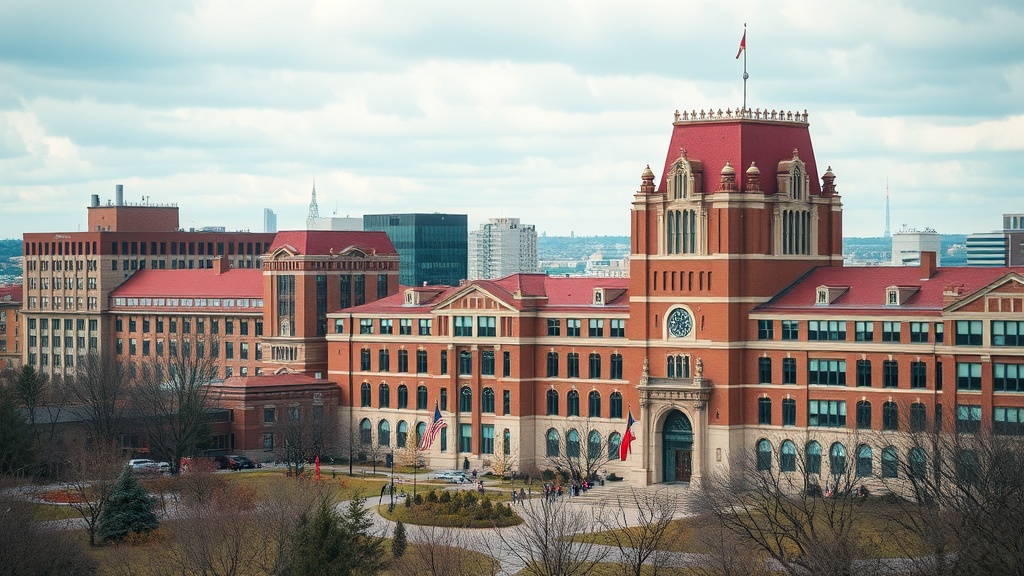
Location is a strategic advantage. The main campus sits in an urban setting with easy access to major hospitals, research labs, cultural institutions, and a dense employer base. That proximity fuels partnerships and internships, and it enhances student life: dining, arts, and outdoor activities blend with a city’s professional energy. Campus athletics and a vibrant student activities scene contribute to a well-rounded experience — from club sports to cultural organizations and community service projects.
Global opportunities extend the classroom across borders. A network of international campuses and partnerships enables students to study and work abroad while maintaining coherent academic progress. These global options appeal to students seeking international careers or cross-cultural competencies that are increasingly important in today’s labor market.
Commitment to sustainability and inclusion plays a central role in campus priorities. Academic programs and student initiatives focus on equitable solutions and community-engaged research. Students frequently collaborate with local organizations to apply classroom learning to social impact projects, reinforcing civic responsibility alongside technical skill development.
For prospective students and parents, maximizing the Northeastern experience means thinking beyond admissions. Active planning ensures co-ops align with career goals: early exploration, targeted networking, skill-building coursework, and faculty advising accelerate meaningful placements. Getting involved in research labs, entrepreneurship programs, or community partnerships adds depth to academic credentials and unlocks unexpected career pathways.
Employers benefit from a steady pipeline of work-ready talent and opportunities to pilot projects with academic researchers. Co-ops provide organizations with flexible, project-focused contributions and a chance to evaluate future hires in real-world conditions.
Northeastern’s model demonstrates how higher education can bridge theory and practice to produce adaptable graduates and actionable research. With strong industry ties, global reach, and a campus culture that prizes innovation and impact, the institution continues to attract students who want learning that leads directly to opportunity.