Maine Coast Travel Guide: Lobster Shacks, Island Ferries, Offshore Wind, and Sustainable Seafood
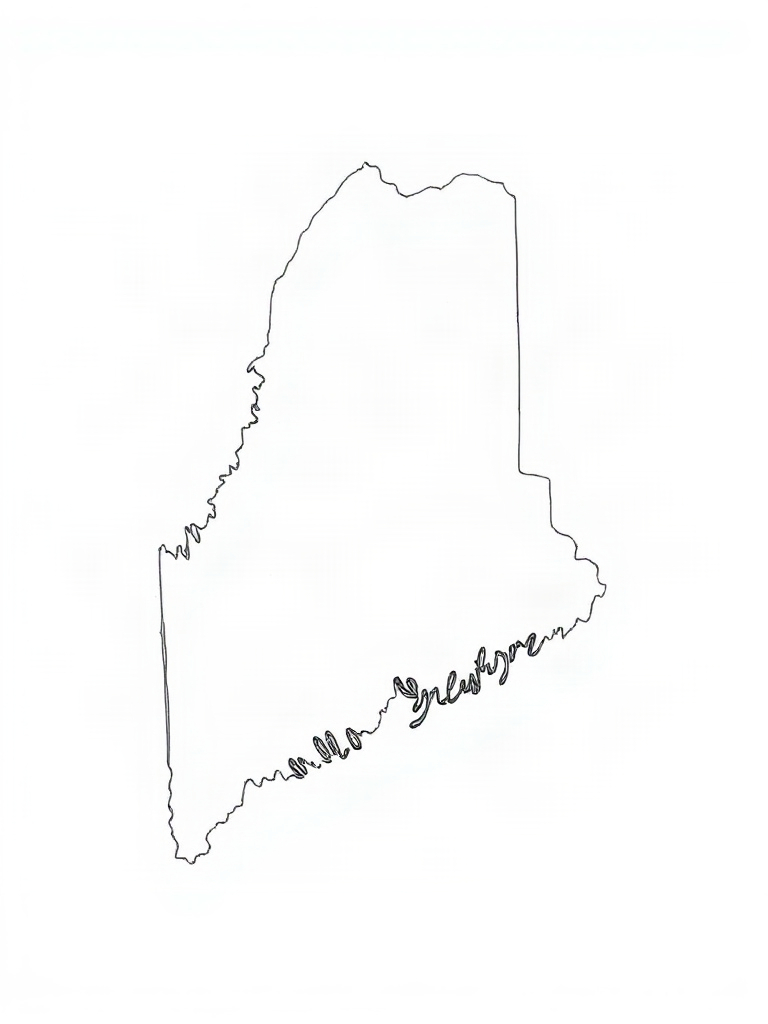
Maine’s coastal identity blends rugged scenery, a thriving seafood culture, and communities adapting to change. From lobster wharves and island ferries to wind-swept headlands and blueberry barrens, the state continues to attract visitors and support livelihoods while balancing tradition and innovation.
Lobster: evolving traditions and sustainable practice
The lobster industry remains central to coastal life, but fishermen and managers are actively adapting to shifting ocean conditions. Trap limits, seasonal area closures, and monitoring programs aim to keep the fishery productive for future generations. Many lobster harbors now emphasize traceability and local branding—look for harborside shops that list the boat or harbor name, making it easy to buy directly from harvesters.
For seafood lovers, the classic lobster roll remains a must-try; for a lower-cost taste, seek out community shacks and market stands where freshness is the priority.
Offshore wind and energy transition
Offshore wind development is gaining attention along the coast, promising new job opportunities and infrastructure investment while prompting careful environmental review and community dialogue. Projects seek to balance clean energy goals with protections for marine wildlife, fisheries, and coastal character. Residents and visitors will likely see harbor upgrades and new logistics hubs as support systems for this evolving industry.
Island life and ferry access
Maine’s islands are a big part of the state’s charm. Regular ferries connect communities, and many islands maintain seasonal economies centered on tourism, arts, and fishing.
If planning an island visit, book ferry passage and accommodations early, travel light, and be prepared for limited services. Island shops and galleries showcase local craftsmanship—pottery, textiles, and coastal-inspired jewelry are popular finds.
Parks, trails, and responsible outdoor recreation
Coastal parks and national scenic areas draw hikers and photographers with tidal pools, granite cliffs, and sweeping views. Popular trailheads can get busy; opt for less-traveled loops and arrive early for the best light and solitude. Pack out what you bring in, stick to marked trails to protect fragile vegetation, and respect posted wildlife closures—especially during nesting seasons.
Culinary diversity beyond seafood
While lobster and clams headline the culinary scene, Maine’s food culture continues to expand.
Farm-to-table restaurants, craft breweries, and forager-driven menus highlight local produce, game, and seaweed.
Wild lowbush blueberries, a regional specialty, feature in both sweet and savory dishes. Farmers’ markets are a great way to connect with producers and discover seasonal specialties.
Practical tips for visitors
– Drive slowly through small coastal towns—scenery and photo ops are everywhere.
– Check ferry schedules and winter service notes for island access.
– Bring layers; coastal weather can change quickly and evenings are cool even after warm days.
– Reserve popular accommodations and dining during busy travel periods.
– Support local economies by shopping at fish wharves, markets, and family-run inns.
Community resilience and conservation
Maine communities are focusing on resilience—upgrading infrastructure, restoring coastal habitats, and investing in diversified economies that include tourism, aquaculture, and renewable energy. Conservation groups, universities, and local fishermen increasingly collaborate on research and management tools that aim to preserve both livelihoods and ecosystems.
Whether you’re sampling a lobster roll at a roadside shack, photographing a lighthouse framed by waves, or hiking a quiet coastal trail, the state’s mix of tradition and forward-looking initiatives makes it a compelling place to explore and support.