Harvard Campus Sustainability: Living Lab, Green Buildings & Student Activism
Harvard’s approach to sustainability blends research, campus operations, and student activism into a visible effort to reduce emissions and model resilient urban campuses.
From green buildings and renewable energy contracts to cross-disciplinary climate research and hands-on student initiatives, the university positions itself as a living laboratory for sustainable solutions.
Campus operations and infrastructure
Harvard has focused on energy efficiency across academic buildings, residence halls, and research facilities. Upgrades to heating and cooling systems, LED lighting retrofits, and advanced building controls reduce energy use while improving occupant comfort. New construction and major renovations typically target high-performance standards, with many projects following recognized green-building criteria. On-campus transportation has shifted toward lower-emission options through expanded bike infrastructure, improved pedestrian access, and electrification of service fleets and shuttles.
Renewable energy and carbon strategy
The university has pursued a mix of on-site renewable installations and off-site renewable procurement to lower the campus carbon footprint. Power purchase agreements and investments in regional renewable projects help match electricity needs with clean generation. At the same time, research into district energy systems and low-carbon heating technologies informs long-term planning for decarbonizing campus heating and cooling — a major source of institutional emissions.
Research, teaching, and the living lab
A defining strength is the integration of sustainability into research and curriculum. Faculty and graduate researchers tackle climate science, energy economics, urban resilience, and conservation across multiple schools and centers.
The campus itself serves as a “living lab,” where students and researchers pilot waste-reduction programs, test energy-saving technologies, and analyze real-world data from building operations. Interdisciplinary centers foster collaboration that translates academic findings into scalable policies and technologies.
Student engagement and community action
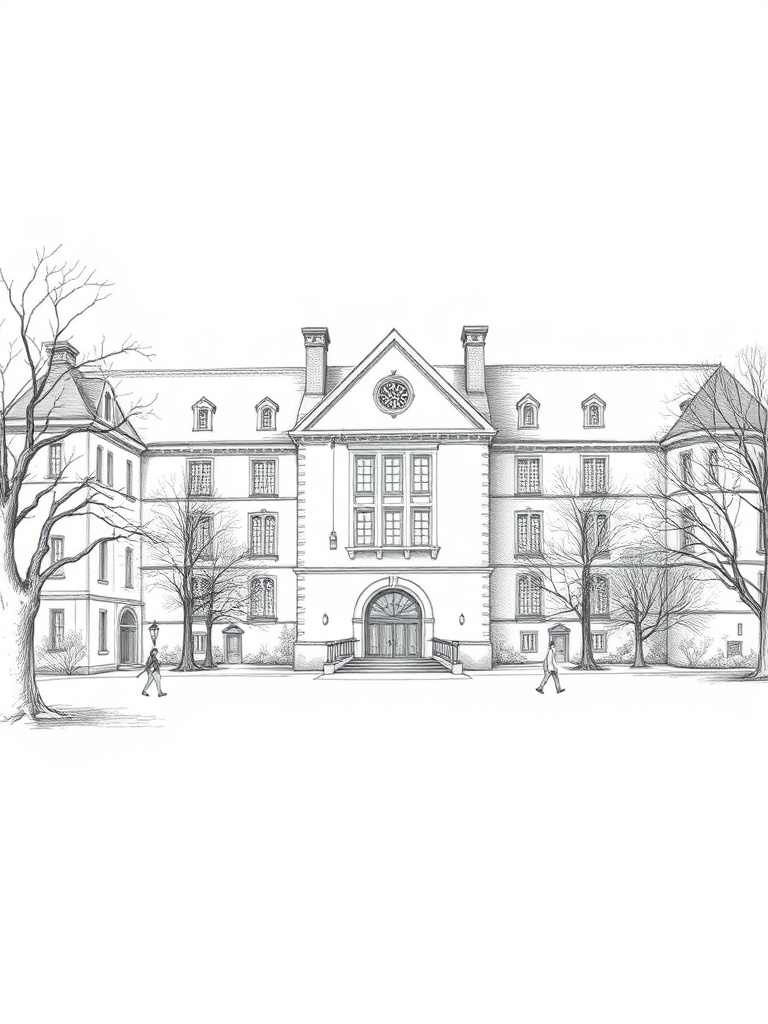
Student groups remain a driving force in shaping sustainability priorities, leading campaigns for divestment, reusable dining initiatives, and community gardens.
These grassroots efforts often complement institutional strategies, pushing for greater transparency in emissions reporting and more ambitious operational targets. Volunteer programs, sustainability fellowships, and student-led research offer practical experience while advancing campus goals.
Biodiversity, land stewardship, and outreach
Beyond the urban campus, Harvard’s landholdings and field stations support conservation and long-term ecological research.
Programs based at forest research stations and coastal laboratories contribute valuable data on ecosystem response to climate change, informing both local stewardship and global climate science.
Outreach initiatives connect these findings with K–12 education, public forums, and municipal partners, amplifying impact beyond campus borders.
Challenges and the path forward
Balancing research-intensive operations with sustainability goals presents persistent challenges, including high energy demand from laboratories and the complexity of decarbonizing built infrastructure. Financial stewardship and stakeholder engagement are key — aligning investment policies with climate objectives, expanding partnerships for clean energy development, and ensuring inclusive decision-making across the community.
How to stay informed or get involved
Visit campus sustainability offices or their public dashboards for progress reports and emissions data. Students and community members can join sustainability student organizations, apply for green internships, or participate in public lectures and workshops.
Prospective visitors interested in sustainable campus features can look for campus tours that highlight green building projects, energy installations, and research centers.
Harvard’s sustainability work demonstrates how a major research university leverages its expertise, assets, and talent to address climate and environmental challenges while training future leaders to scale solutions in cities and industries worldwide.