How Northeastern’s Co-op, Research & Entrepreneurship Create Career-Ready Graduates
Northeastern University’s experiential edge: how co-op, research, and entrepreneurship shape career-ready graduates
Northeastern’s defining feature remains its experiential-learning model, which blends classroom study with extended workplace experiences that give students a measurable advantage in the job market.
The cooperative education (co-op) program connects undergraduates and graduates with paid, full-time work placements across industries, enabling students to test career paths, build professional networks, and return to campus with applied skills that deepen academic learning.
What sets the model apart is its flexibility.
Co-op placements now include a broad mix of in-person, remote, and hybrid roles with startups, Fortune-ranked firms, nonprofit organizations, and research labs. Partnerships with industry are continually refreshed so that students gain exposure to emerging fields such as artificial intelligence, climate technology, biotech, and digital health.
That employer integration also shapes curricula, ensuring that classroom content aligns with real-world expectations.
Beyond co-op, Northeastern’s innovation ecosystem supports students who want to launch startups or pursue translational research.
A network of incubators, maker spaces, and mentorship programs helps founders move from prototype to market. Accelerators and entrepreneurship courses provide structured pathways for product development, fundraising, and customer discovery, while alumni and corporate partners frequently serve as mentors or early customers.
Research translation is another priority.
University-affiliated research hubs focus on practical problems in areas like healthcare, robotics, and data science.
Institutes that connect academic researchers with industry and regional economic partners help speed commercialization and workforce development. These collaborations create internship and co-op roles with a research emphasis, appealing to students who want to combine lab work with hands-on product development.
Campus life in an urban setting adds a complementary dimension. Located in a vibrant academic and business district, the campus offers cultural events, professional networking opportunities, and community-engaged projects with local schools, healthcare providers, and civic organizations. Student clubs and professional societies frequently partner with employers for workshops, case competitions, and recruitment events, making it easy for students to translate academic interests into career opportunities.
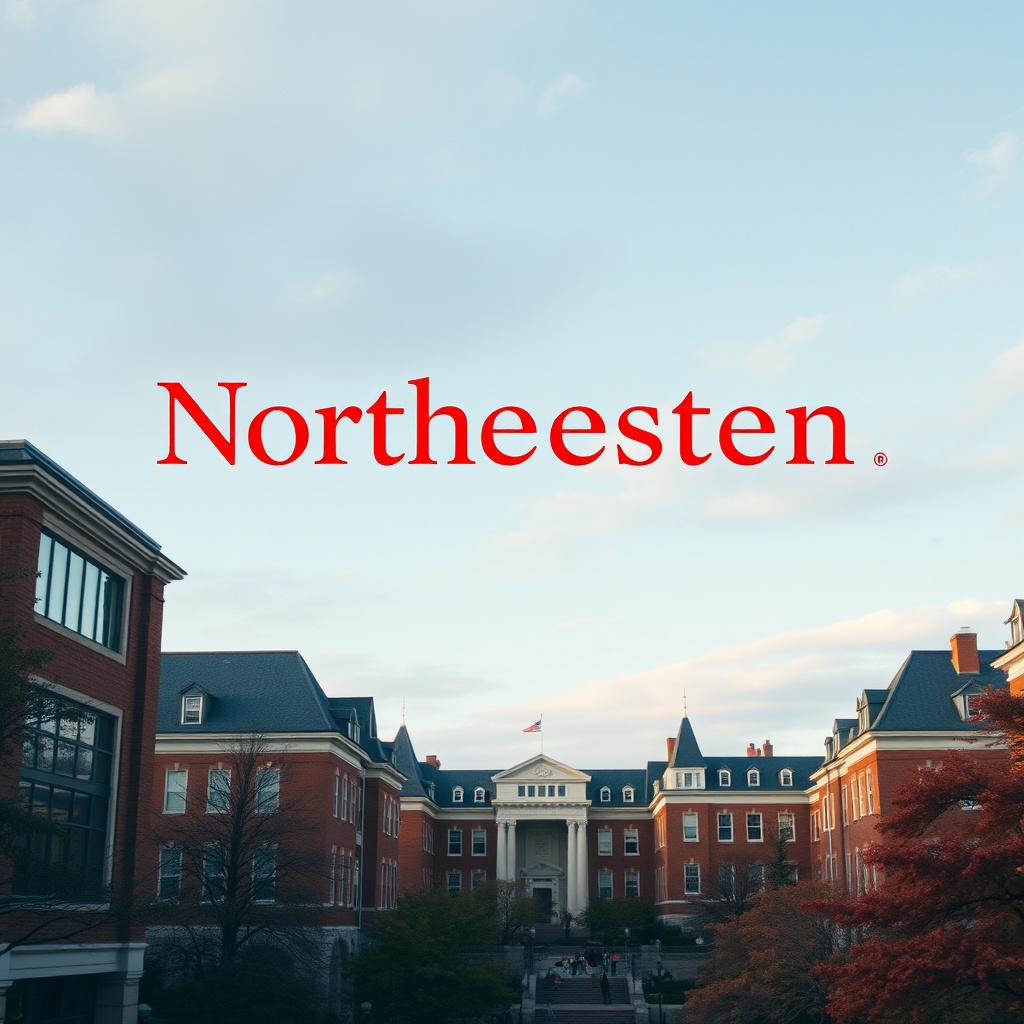
Commitment to global perspectives is visible through an international network of study-away and global co-op opportunities. Short-term programs and longer placements enable students to experience different economies and workplace cultures, enhancing global fluency—a skill highly valued by multinational employers.
Sustainability and equity are also central themes across campus initiatives. Research and student projects increasingly focus on climate resilience, renewable energy, and equitable technology deployment.
Community partnerships emphasize inclusive innovation that benefits a broad cross-section of regional populations while providing students with meaningful civic experience.
For prospective students and employers, the value proposition is clear: the integration of coursework, extended workplace experience, and innovation support produces graduates who are adaptable, job-ready, and often already experienced in tackling industry problems. Students leave with résumés that reflect months of substantive work, portfolios of projects, and professional references—assets that shorten the transition from campus to career.
Exploring current co-op listings, innovation programs, and research opportunities is the best way to understand how Northeastern’s model aligns with specific academic and career goals. For students aiming to blend academic excellence with practical experience, the university’s approach remains a compelling, career-focused pathway.