Inside Boston College’s Sustainability Push: Greening Academics, Operations, and Student Life
Boston College sustainability: how the campus is greening academics, operations, and student life
Boston College sustainability efforts are shaping how the university balances academic excellence, Jesuit values, and environmental responsibility. From energy and transportation to curriculum and community partnerships, the university is taking a holistic approach to reduce environmental impact while preparing students for careers focused on climate solutions.
Operational changes with measurable impact
Campus operations are a major focus.
Energy-efficiency upgrades in heating, cooling, lighting, and building controls reduce emissions and operating costs.
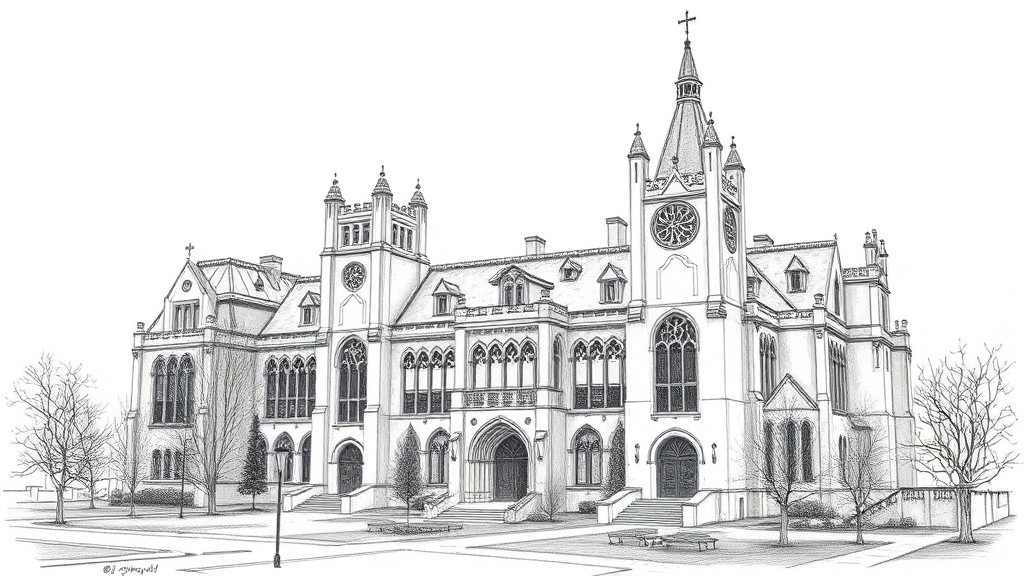
New construction and major renovations aim for high green-building standards, prioritizing materials with lower embodied carbon and better indoor environmental quality. The campus has expanded renewable-energy sourcing and uses strategic energy management to smooth demand and cut waste.
Transportation initiatives complement energy work. Electric vehicle charging infrastructure, promotion of car-sharing and commuter alternatives, and improved bike and pedestrian amenities make low-carbon transportation practical for students, faculty, and staff. Waste-reduction strategies — including single-stream recycling, composting programs in dining halls, and reduced-packaging procurement — help divert landfill-bound material while lowering procurement costs.
Integrating sustainability into academics
Sustainability is woven into academic life.
Interdisciplinary programs connect environmental science, public policy, economics, theology, and ethics to equip graduates with the technical knowledge and moral reasoning needed for climate challenges. Faculty-led research often partners with local governments, nonprofits, and businesses to translate findings into on-the-ground solutions.
Students can engage through sustainability-focused majors, minors, and electives, as well as research assistantships and capstone projects.
These experiential learning opportunities let students analyze real-world problems like urban resilience, sustainable supply chains, and environmental justice, then propose implementable strategies.
Student leadership and campus culture
Student organizations and volunteer networks drive much of the cultural change. Sustainability committees, residence-hall green teams, and campus gardens create hands-on spaces for learning and behavior change. Peer-led campaigns promote energy-saving behaviors, sustainable dining choices, and mindful consumption.
The campus community also emphasizes equity in sustainability. Initiatives seek to ensure that climate action benefits all populations, addressing issues such as access to healthy food, affordable transit, and disaster resilience in neighboring communities.
Partnerships and community engagement
Boston College works with municipal leaders, regional coalitions, and nonprofit partners to amplify impact beyond campus borders.
These partnerships accelerate progress on local climate resilience projects, green job training, and community-based research.
Students and faculty often collaborate on policy briefs, public workshops, and community-driven environmental assessments.
How to get involved
Members of the campus community can contribute in many ways: join a student sustainability organization, participate in a green dorm challenge, apply for a sustainability-focused internship, or bring a sustainability lens to coursework and research. Staff and faculty can explore green procurement options, propose efficiency projects for buildings they manage, or include sustainability modules in their courses.
Boston College’s sustainability work combines operational action, academic rigor, and community engagement to build a campus culture that treats environmental stewardship as integral to its mission. For those looking to plug in, the sustainability office and campus events calendar are good starting points to learn about current initiatives and opportunities to help shape a greener future.