Berklee College of Music: The Ultimate Guide to Programs, Auditions, and Career Paths
Berklee College of Music remains a leading destination for musicians, producers, and industry-minded creatives who want immersive, contemporary music training. With an emphasis on practical skills, cross-genre collaboration, and industry connections, Berklee offers a unique mix of performance-driven curriculum and technology-forward learning that prepares students for a wide range of music careers.
What sets Berklee apart
– Contemporary focus: Courses and ensembles prioritize modern styles—jazz, pop, electronic, hip-hop, film scoring, and more—so students learn the language of today’s music industry.
– Hands-on learning: Studio time, live performance opportunities, and project-based coursework emphasize real-world skills over purely academic study.
– Industry integration: Guest lectures, clinics, internships, and partnerships with labels and media outlets create direct channels from campus projects to professional work.
– Global reach: Multiple campuses and robust online programs make Berklee accessible to students worldwide while maintaining strong local scenes in Boston and Valencia.
Programs and pathways
Berklee offers a broad range of pathways: performance majors, music production and engineering, songwriting, film scoring, music business/management, and music therapy among others. For students who need flexibility, online degree and certificate options deliver the same practical focus through virtual classes, interactive projects, and remote mentorship. Short-term options like summer programs, workshops, and intensive clinics are ideal for high school musicians or professionals looking to upskill.
Student life and performance
Campus life revolves around collaboration. Student bands, ensembles, and electronic music collectives perform regularly in campus venues and local clubs, giving students a continuous stream of performance experience. Studios and practice facilities are designed to mirror professional environments, so students graduate comfortable with the tools and workflows used in the industry. Community-driven initiatives and cross-disciplinary projects—working with film students, theater, or tech innovators—broaden creative perspectives.
Career outcomes and support
Career Services and industry-focused departments help students translate artistic skills into sustainable careers. Offerings typically include portfolio development, networking events with industry professionals, internship placement, and guidance on entrepreneurship, streaming strategies, and sync licensing. The emphasis is on building a versatile skill set—performance, production, business acumen—that helps graduates adapt as the music landscape evolves.
Audition and admissions tips
Auditions and portfolio reviews are central to many programs. Prepare clear, recent recordings of your best work and be ready to demonstrate improvisation, technical skill, and musicality.
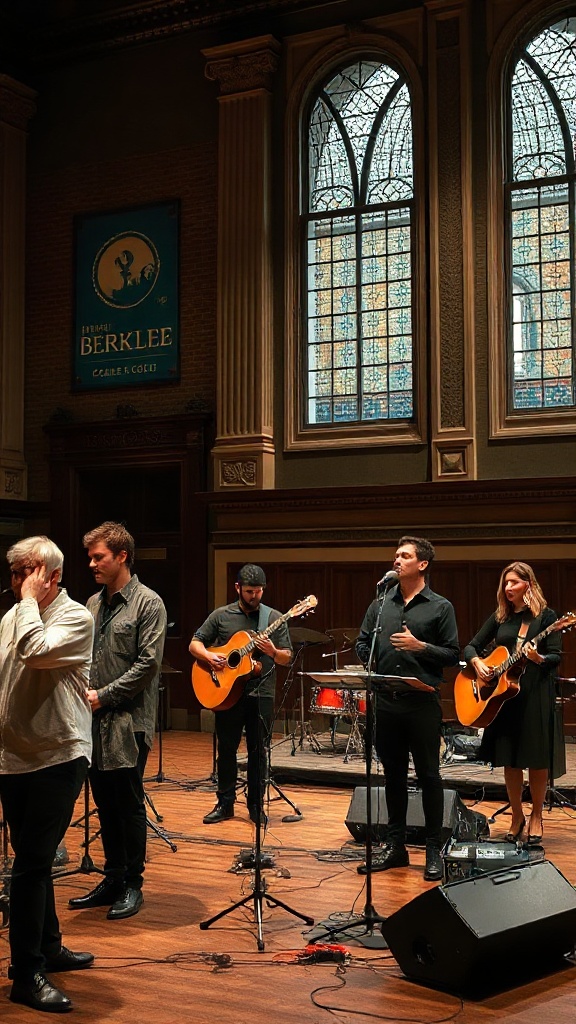
For production and business tracks, a thoughtfully organized portfolio and a clear statement of goals can be decisive.
Explore scholarships and merit-based aid early—many talented applicants receive financial support based on artistic promise.
Practical advice for prospective students
– Visit a campus or attend an online info session to get a feel for teaching style and community.
– Take advantage of summer intensives or single courses to experience the curriculum before committing.
– Build a diverse portfolio that shows both technical ability and creative risk-taking.
– Learn industry-standard tools (DAWs, notation software, recording gear) and focus on collaboration skills—they’re as valuable as instrumental technique.
– Network with current students and faculty to understand daily life, workload, and opportunities for performance and professional development.
Whether aiming for a career as a performing artist, composer, producer, or music entrepreneur, Berklee’s practical, contemporary approach helps creative professionals build sustainable careers.
Exploring programs, attending a session, and preparing a strong audition or portfolio are good first steps toward making the most of what the institution offers.