New Hampshire Travel Guide: White Mountains, Lakes, Coastline & Local Eats
New Hampshire blends dramatic New England scenery with small-town charm and outdoors-first living, making it a standout destination for visitors and residents alike. From rugged mountain trails to rocky coastline and clear inland lakes, the state packs big experiences into compact geography.
Outdoor adventures and scenic drives
The White Mountains dominate outdoor life, with miles of hiking, technical climbs, and family-friendly walks. Long-distance hikers often tackle portions of the Appalachian Trail here, while day-trippers head for iconic routes known for sweeping vistas and leaf-peeping. Mountain passes and forest roads give access to waterfalls, alpine zones, and tranquil valleys. For a different pace, the Lakes Region invites boating, paddleboarding, and shoreline picnics on sizeable, crystal-clear waters. Coastal towns offer tidal walks, seafood shacks, and historic port districts—ample variety for short getaways or extended stays.
Seasonal appeal and how to prepare
Each season highlights a different side of the state. Peak outdoor seasons bring hikers and paddlers, while winter turns many towns into snow-sports hubs with reliable snowmaking and groomed trails. Layers are essential—weather can shift rapidly at higher elevations. Bringing waterproof footwear, a warm mid-layer, and a compact rain shell covers most conditions. Advance reservations help during high-demand periods, and checking trail or road advisories reduces surprises.
Local culture and culinary treats
Small downtowns and coastal cities mix independent shops, craft breweries, and farm-to-table restaurants. Local specialties include maple products, hearty New England fare, and fresh seafood from the nearby Atlantic. Farmers’ markets and seasonal food festivals showcase regional producers, making it easy to taste the state’s agricultural and maritime roots.
Economic and lifestyle advantages
The state is often noted for a business-friendly environment and a tax structure that appeals to people and companies looking for lower consumption taxes and flexible local governance. High-quality public lands, community-centered towns, and proximity to major metro areas provide a balance of rural calm and urban access, adding to the appeal for remote workers and families seeking a quieter pace without losing amenities.
Smart planning tips
– Prioritize transportation: some scenic areas are served by limited public transit—having a car gives freedom to explore.
– Book lodging early for peak foliage and ski periods; consider staying in smaller inns or B&Bs for local flavor.
– Respect trail etiquette and Leave No Trace principles—fragile alpine ecosystems recover slowly.
– Check local guides for closures or permit requirements, especially for popular trails and protected sites.
Sustainable travel and conservation
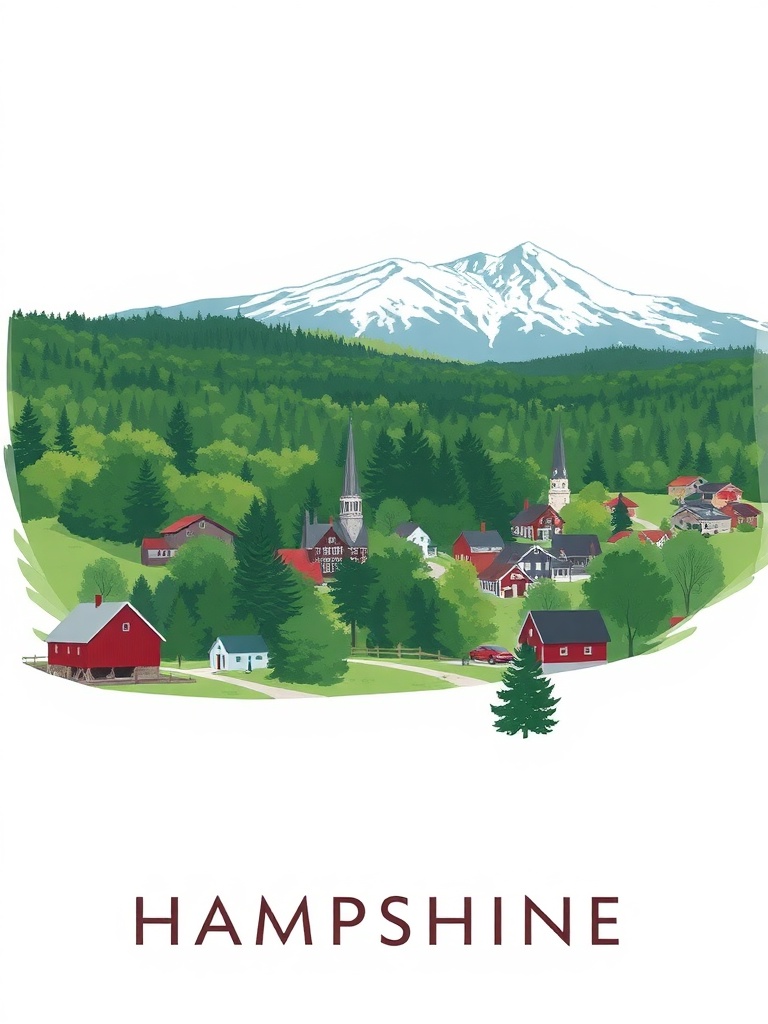
Conservation efforts are active across the state, from land trusts protecting watershed and forestland to community-based initiatives that promote sustainable recreation. Supporting local conservation groups or choosing eco-conscious tour operators helps maintain the landscapes that draw people here.
Why visit or stay
New Hampshire offers concentrated variety: dramatic hikes, serene lakes, a scenic coastline, and vibrant small cities all within relatively short drives. Whether collecting summit views, paddling quiet water, or sampling local fare, visitors can craft an experience that feels both adventurous and familiar. For those considering relocation, the mix of natural assets, community life, and practical economic features makes the state a compelling choice for living well while staying connected to the broader New England region.