Ultimate Maine Travel Guide: Coastlines, Acadia, Lobster & Outdoor Adventure
Maine Travel Guide: Coastlines, Cuisine, and Outdoor Adventure
Maine’s rugged coastline, rocky islands, and working harbors create a distinctive travel experience that blends outdoor adventure, fresh seafood, and vibrant local culture. Whether you’re planning a weekend escape or a longer exploration, this guide highlights what makes Maine compelling and how to get the most from a visit.
Coastal Highlights
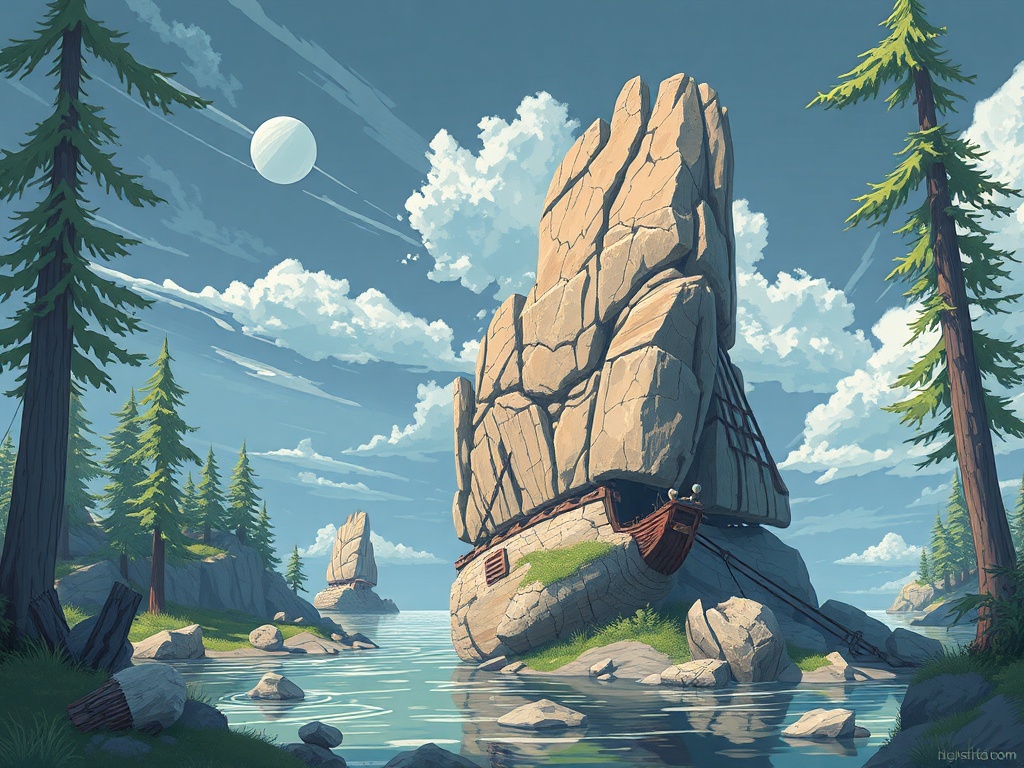
The coastline is the centerpiece: dramatic cliffs, sheltered coves, and lighthouses set against Atlantic surf. Scenic drives along the coastal route reveal fishing villages, salt-sprayed piers, and picture-perfect harbors. Island hopping—from ferry-served destinations to small artist communities—offers quiet trails, seabird colonies, and views that reward early-risers and sunset chasers alike.
Acadia and Outdoor Recreation
Acadia National Park anchors many outdoor itineraries with granite peaks, carriage roads, and miles of shoreline trails. Hikers can choose from short coastal walks to longer ridge routes that open onto sweeping ocean vistas. Kayaking and sailing are popular for getting closer to sea birds and hidden coves, while whale-watching trips depart from multiple ports for seasonal marine wildlife viewing. For calmer adventure, scenic biking on historic carriage roads provides a low-impact way to cover more ground.
Seafood and Culinary Scene
Maine’s food culture is anchored by its seafood: lobster, steamers, scallops, and cod remain perennial favorites.
Lobster shacks and fish houses serve straightforward preparations that showcase freshness—think lobster rolls, whole steamed lobster, and simple fried clams.
Inland farms and farmers’ markets supply seasonal produce, while coastal towns also host chefs blending local catch with creative, ingredient-driven cuisine.
Portland has become a culinary hub with craft breweries, bakeries, and restaurants that celebrate regional flavors.
Culture and Small-Town Charm
Arts, crafts, and maritime heritage are visible in galleries, museums, and community events. Small towns often feature working boatyards, lobster pounds you can visit, and local festivals that highlight music, craft, and food. Island artist colonies maintain a strong tradition of painting, pottery, and printmaking—great for picking up unique souvenirs and meeting creators.
Practical Travel Tips
– Book accommodations early for popular coastal towns and park-adjacent lodging.
– Use ferries for reliable island access; schedules can vary with weather.
– Carry layers: coastal weather shifts quickly and sea breezes can be cool.
– Respect private property and posted signs—many coastal trails pass near working waterfronts and private homes.
– Support local businesses by choosing town-owned markets, family-run lobster pounds, and independent galleries.
Environment and Stewardship
Maine’s natural systems face ecological shifts, including changing ocean temperatures and shifting species patterns.
Many communities are actively engaged in conservation—supporting marine research programs, sustainable fisheries practices, and land protection efforts. Visitors can contribute by following Leave No Trace principles, choosing sustainable seafood options, and supporting local conservation initiatives.
Why Visit
Maine is appealing for its contrast: dramatic natural landscapes and intimate villages, simple yet exceptional cuisine, and layers of maritime history. It’s a destination where a short hike can end at a lobster shack, where lighthouses punctuate long ocean views, and where outdoor experiences and cultural encounters are readily combined. For travelers seeking a coastal getaway with authentic local character, Maine delivers a memorable mix of scenery, taste, and tradition.