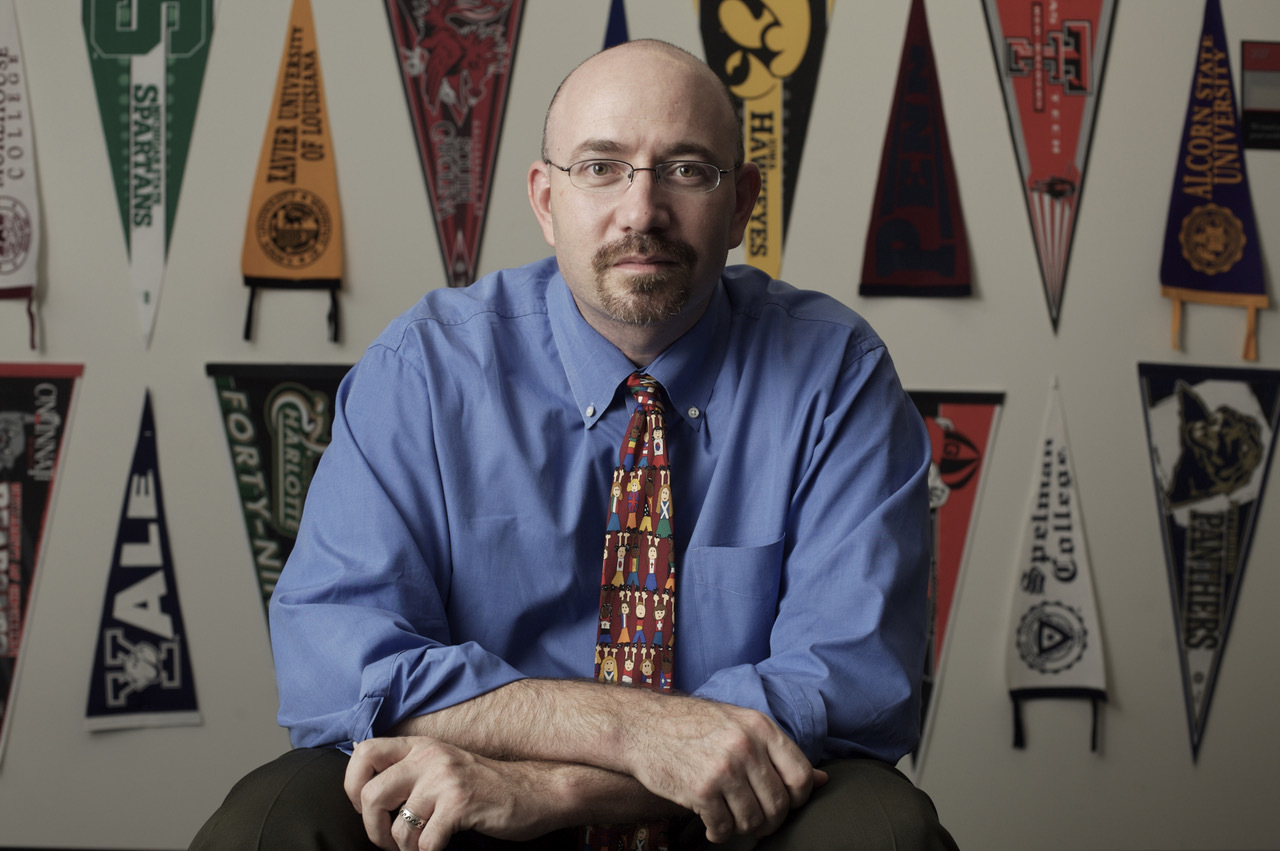
From KIPP to Careers: Mike Feinberg’s Workforce Development Revolution
The phone call that changed everything came on a frigid February morning in Houston. Yerlin Rivera, three years removed from her high school dropout experience, had just learned she passed her certified medical assistant exam. For Rivera, the moment represented more than professional achievement – it validated a different path to success.
Rivera’s journey through WorkTexas reflects a broader shift in American workforce development, one that education innovator Mike Feinberg has been advocating since launching the program in 2020. Rather than treating college as the only route to middle-class stability, WorkTexas focuses on immediate employability through skilled trades training.
The program emerged from Feinberg’s experience building KIPP, the national charter school network he co-founded in 1995. While KIPP achieved impressive college enrollment rates, tracking long-term outcomes revealed uncomfortable truths about debt burdens and completion rates among graduates.
“We got to 50% of kids graduating from college, which was a big deal because our starting point was five to 10%,” Feinberg explained. “But I remember celebrating for about 15 seconds, then thinking, that’s half. What about the other half?”
Research into KIPP alumni outcomes showed many non-college graduates were succeeding in trades, military service, and entrepreneurship. Meanwhile, some college graduates struggled with debt from incomplete programs or degrees in oversaturated fields.
These insights led to WorkTexas, which combines technical training with comprehensive support services. Students can pursue certifications in electrical work, welding, plumbing, automotive technology, medical assistance, and other high-demand fields while receiving help with transportation, childcare, and other barriers to employment.
The program operates from two Houston locations serving different populations. The Gallery Furniture site hosts Premier High School students combining academic credit recovery with vocational training, while the Opportunity Center serves justice-involved youth through an integrated GED and career preparation model.
Adam Tutt, a math and science teacher who transitioned from homebuilding to education, sees firsthand how technical skills can transform struggling students. “It gives them a win,” he said. “Without such a win, it’s hard to motivate yourself.”
The employer-centered approach distinguishes WorkTexas from traditional training programs. More than 100 business partners provide curriculum input, internship opportunities, and hiring commitments. This ensures graduates learn skills that match actual job market demands rather than generic certifications.
Beau Pollock of TRIO Electric exemplifies this partnership model. His company helped develop the electrical training curriculum and has hired multiple WorkTexas graduates. “Mike has embraced the employer’s perspective but also has the education perspective and knows the needs of the people going through the training,” Pollock said.
The program’s comprehensive support system addresses factors that often derail workforce entry attempts. Houston Food Bank provides food security assistance, while Wesley Community Center offers financial literacy education. Journey Through Life handles behavioral health services, creating what Feinberg calls a “sandbox” where different organizations collaborate toward common goals.
“You’re not going to do well in your job if you’re homeless or hungry, or your car stops working,” Feinberg noted. “We need all those different supports to exist, but we can’t do them all because no one can be good at all those things.”
Funding comes through multiple streams including federal workforce development programs, state education dollars, and private philanthropy. Most participants attend without cost, removing financial barriers that often prevent access to career training.
The juvenile justice component represents particularly innovative programming. Students at the Opportunity Center achieve 93% attendance rates while combining academic work with vocational training – unusual outcomes for this population.
Vanessa Ramirez, the center’s director and former KIPP student, credits the holistic approach for these results. The program includes sensory rooms for stress management, behavioral health services, and entrepreneurial opportunities through Project Remix Ventures.
“We’re not just doing hands-on vocational training or GED programming,” Ramirez explained. “We also have behavioral health programs. We’re building great relationships with instructors that our kids want to learn from.”
Early outcome data supports the program’s effectiveness. WorkTexas reports that 70% of graduates obtain new or improved employment, with average starting wages of $19.10 per hour. The five-year alumni tracking commitment helps ensure job retention and career advancement.
These results come as broader economic trends support skills-based hiring. American Student Assistance research indicates 81% of employers prefer hiring based on candidate abilities rather than degrees, while McKinsey data shows skilled labor wages increased more than 20% between 2020 and 2024.
The model is attracting national attention from workforce development professionals and juvenile justice systems. Delegations regularly visit Houston to observe the integrated approach and explore replication possibilities.
Feinberg’s broader portfolio through the Texas School Venture Fund includes neighborhood schools, childcare programs, and entrepreneurship initiatives. This comprehensive approach addresses workforce development needs from early childhood through adult career transitions.
Premier High School, WorkTexas’s charter partner, operates 50 campuses across Texas and plans to integrate the vocational model systemwide. Meanwhile, the childcare component has expanded to serve 75 locations across the Houston region.
The program’s community integration extends beyond direct services. Local businesses provide not just jobs but mentorship and ongoing support for graduates. This creates sustainable career pathways rather than one-time training experiences.
For students like Juan Flores, who found large high schools overwhelming, the personalized approach makes the difference. After trying carpentry, he switched to welding, appreciating both the creative aspects and practical applications. “I like to work with my hands and be creative,” he said.
The program’s impact extends beyond individual success stories to address broader workforce needs. With significant portions of skilled workers approaching retirement, programs like WorkTexas could help prevent critical labor shortages in essential industries.
Feinberg’s vision emphasizes long-term career development over short-term job placement. The five-year alumni tracking commitment reflects this perspective, ensuring graduates not only find employment but advance professionally over time.
Future plans remain focused on quality over rapid expansion. The goal is proving the model’s effectiveness before scaling to additional locations or populations. This measured approach reflects lessons learned from KIPP’s rapid growth phase.
For Rivera, now pursuing registered nurse training while working as a certified medical assistant, WorkTexas provided more than technical skills. It offered a different definition of educational success – one measured not by college acceptance letters but by career satisfaction and economic stability.
The converted furniture showroom may seem an unlikely setting for educational innovation, but it’s producing results that challenge conventional assumptions about workforce development. In a economy where skills matter more than credentials, programs like WorkTexas may represent the future of career preparation.