Unveiling the Secrets of Knowledge: A Comprehensive Guide to Harvard’s Esteemed Libraries
Acquiring knowledge is an exhilarating journey, and Harvard University, with its iconic libraries, has been a leading light in this intellectual pursuit. The prestigious institution is home to the most extensive university library system globally, which comprises 79 individual libraries. If you have ever wondered about the magnificence that lies within the walls of Harvard’s distinguished libraries, let’s delve into a more in-depth exploration.
First and foremost, the crown jewel of Harvard’s library system is undoubtedly the Widener Library. Constructed in memory of Harry Elkins Widener, a Harvard graduate and an ardent book lover who tragically lost his life on the Titanic, the Widener Library is not just a library; it is a symbol of a cultural heritage that values the power of knowledge. Housing over 3.5 million volumes of books, it’s regarded as the hub of humanistic research for Harvard faculty, graduate students, and undergraduates.
Notably, Harvard’s libraries are much more than mere book repositories. With a vast collection of unique and rare archives, maps, and visual resources, these libraries serve as an intellectual playground for scholars. The Houghton Library, for instance, is a treasure trove of primary resources. You can find a remarkably wide array of materials here, from medieval manuscripts to contemporary art, providing scholars an unparalleled source of original historical documents.
However, Harvard’s libraries are not just about academia and scholarship; they are also about engaging with the community.
The Lamont Library, specifically designed to meet the needs of undergraduate students, is a testament to this approach. With its welcoming atmosphere, group study rooms, and multimedia lab, it is the perfect place for students to engage in collaborative learning.
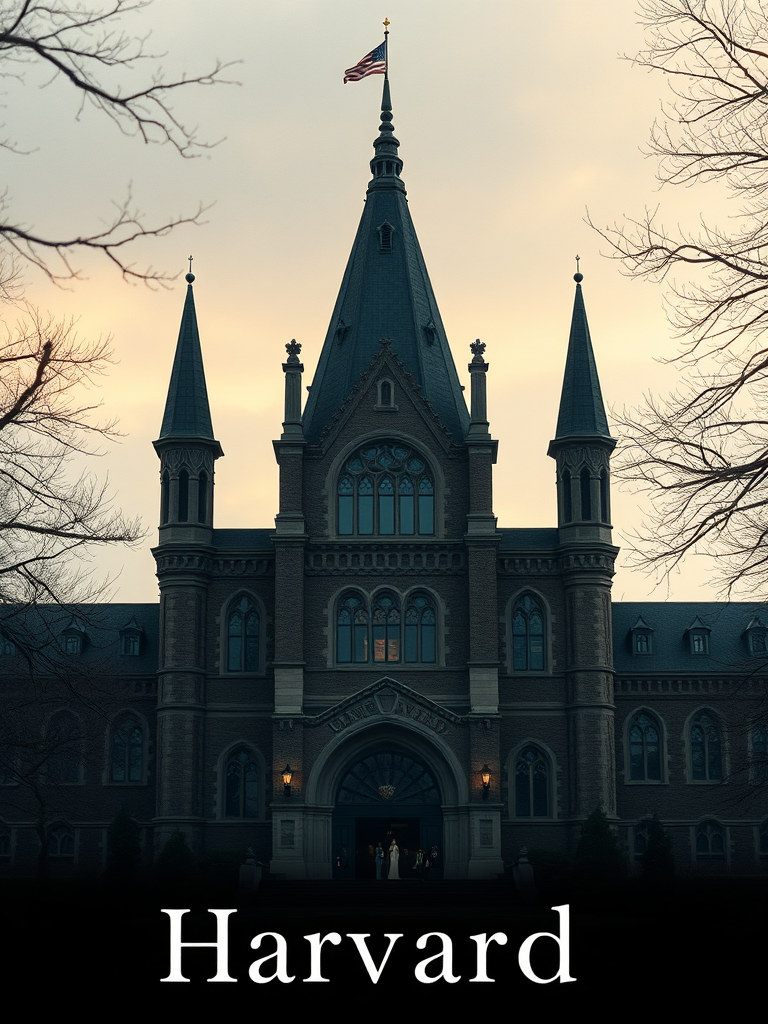
Indeed, these libraries’ architectural grandeur is another aspect that fascinates visitors. The Widener Library’s grand marble façade with its neoclassical elements is an architectural marvel, while the Carpenter Center for Visual Arts, home to the Fine Arts Library, stands as a unique example of modernist architecture.
A noteworthy fact is, Harvard’s libraries have recently embraced digital technology, transforming the way knowledge is collected and shared. The Digital Access to Scholarship at Harvard (DASH) is an innovative initiative that allows worldwide access to the scholarly articles of Harvard community members, thereby enhancing global knowledge sharing.
Moreover, the library system is also committed to sustainability. The Harvard Law School Library, among others, has earned LEED Gold certification for its commitment to environmental stewardship. By opting for energy-efficient technologies and sustainable practices, these libraries underscore the importance of green initiatives in today’s world.
Finally, it’s important to understand that Harvard’s libraries are more than just buildings filled with books. They are dynamic, evolving entities that foster learning, facilitate research, and inspire innovation.
They embody the essence of Harvard University – a commitment to nurturing intellectual curiosity, promoting academic excellence, and making knowledge accessible for all.
So, whether you are a seasoned scholar, a voracious reader, or simply a knowledge enthusiast, Harvard’s libraries stand as a testament to humanity’s unquenchable thirst for knowledge. They offer an invaluable window into our past, a vibrant platform for our present, and a hopeful vision for our future. The next time you find yourself at Harvard, make sure to set foot into one of these magnificent libraries. It could be the beginning of a remarkable intellectual journey.