Recommended: MIT as a Living Lab: How the Institute Turns Research into Real-World Impact
MIT as a living lab: how the institute turns ideas into impact
MIT remains a global hub where bold research, hands-on prototyping, and entrepreneurial momentum converge.
For anyone interested in technology, sustainability, or startups, MIT offers a model of how a research university can accelerate real-world solutions.
A dense network of research and prototyping
Across campus, interdisciplinary centers enable fast iteration from idea to prototype. Facilities such as MIT.nano provide cleanroom access and advanced fabrication tools that help researchers and students take concepts from paper to physical devices.
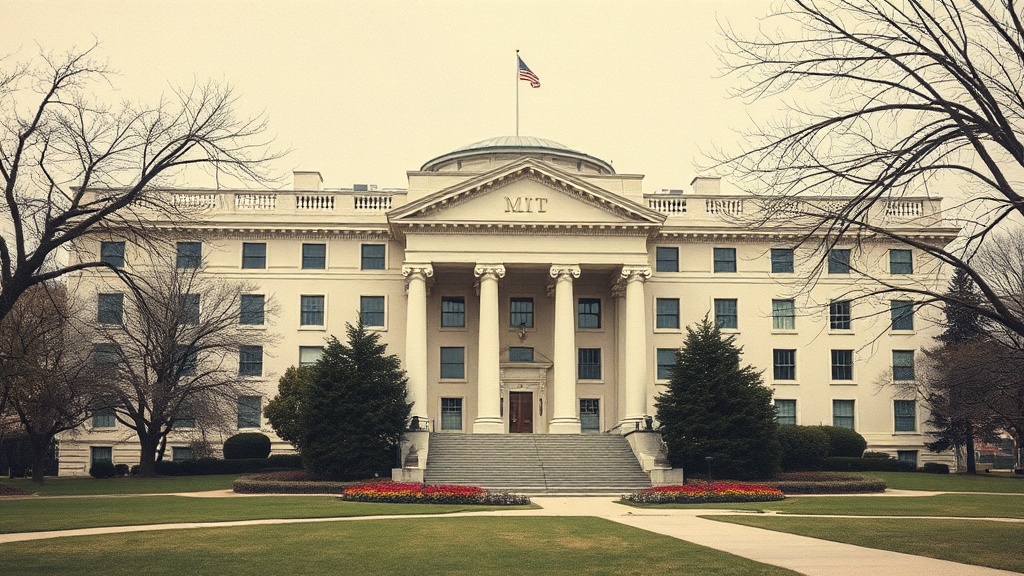
Specialized institutes—focusing on areas like biomedical research, advanced materials, and robotics—bring together engineers, scientists, and clinicians to tackle complex problems collaboratively.
Pathways to commercialization
MIT’s technology transfer infrastructure is designed to move inventions out of the lab and into the marketplace. The Technology Licensing Office works with inventors to protect intellectual property and find commercial partners or licensees. Entrepreneurship programs, mentorship networks, and startup accelerators provide founders with practical guidance on fundraising, business models, and scaling. These elements combine to create a pipeline that transforms research advances into companies and products that reach customers.
Entrepreneurship culture and support
Student and faculty entrepreneurs benefit from targeted support: mentorship from experienced founders, seed funding opportunities, and coursework that blends engineering with business practice. Campus-based accelerators and maker spaces lower the barriers to early-stage development, while alumni networks and venture partners provide follow-on capital and market access.
This ecosystem emphasizes rapid learning cycles—build, test, iterate—so new ventures can validate demand and refine technology quickly.
Focus on sustainability and climate solutions
Sustainability is a major focus across MIT’s labs and centers. Research priorities include energy systems, sustainable materials, and climate adaptation technologies. Collaboration with industry and policymakers helps ensure innovations are aligned with real-world needs and can be deployed at scale. Campus itself often serves as a testing ground for new energy management strategies and advanced materials, demonstrating commitment to operational sustainability while accelerating research translation.
Translational biomedical research
The intersection of engineering with life sciences is especially active. Institutes that pair biological expertise with engineering tools are advancing diagnostics, therapeutics, and drug delivery systems. Close partnerships with hospitals, research institutes, and biotech companies create pathways to clinical testing and regulatory strategy, shortening the time it takes for laboratory discoveries to benefit patients.
Education that powers innovation
Open educational resources and hands-on learning experiences amplify MIT’s impact beyond campus. Platforms that share course materials, plus hybrid and online learning pathways, democratize access to technical knowledge and entrepreneurship training.
Students leave with a mix of deep technical expertise and applied problem-solving skills that make them effective innovators in industry, government, and academia.
Why this matters
The combination of top-tier research, world-class prototyping facilities, and a tight-knit entrepreneurial ecosystem makes MIT a powerful engine for change.
Whether the goal is building cleaner energy systems, creating breakthrough medical technologies, or launching a scalable startup, the institutional model emphasizes rapid iteration, cross-disciplinary collaboration, and practical pathways to market.
Explore resources such as research centers, fabrication facilities, and entrepreneurship programs to understand how ideas are developed, tested, and scaled. For innovators and partners seeking catalysts for impact, MIT’s approach offers practical lessons in turning curiosity into solutions that address pressing global challenges.