Boston University: Campus–City Connections That Launch Student Careers
How Boston University Bridges Campus, City, and Career
Boston University sits at the intersection of urban energy and academic ambition, offering students more than a campus—a launchpad into research, entrepreneurship, and civic engagement. For prospective students, families, and anyone watching higher education evolve, BU provides a compelling example of how a large research university can remain tightly connected to its city and its students’ futures.
A research engine with practical reach
BU’s strength is its breadth: engineering, health sciences, data and computer science, arts and social sciences all operate with research agendas that intersect industry and community needs. Faculty-led labs and interdisciplinary centers translate discoveries into real-world applications through clinical partnerships, technology transfer offices, and collaborations with local hospitals and biotech firms.
That blend of curiosity-driven work and commercialization pathways makes the university a valuable node in the regional innovation ecosystem.
Experiential learning that matters
Hands-on experience is central to the BU student experience. Internships, research assistantships, clinical placements, and industry projects let students test career paths while building résumés. Career services and employer engagement teams connect students with internships and alumni mentors across sectors—finance, healthcare, tech, media, education—helping students convert classroom learning into hireable skills. Students who proactively use these services typically report higher confidence entering the job market.
Entrepreneurship and innovation support
Aspiring founders find resources on campus that reduce friction between idea and launch. Incubators, mentorship programs, pitch competitions, and access to local investors help student ventures iterate faster. Cross-campus collaboration—pairing business savvy with technical or scientific expertise—creates a fertile environment for startups emerging from student projects or faculty research.
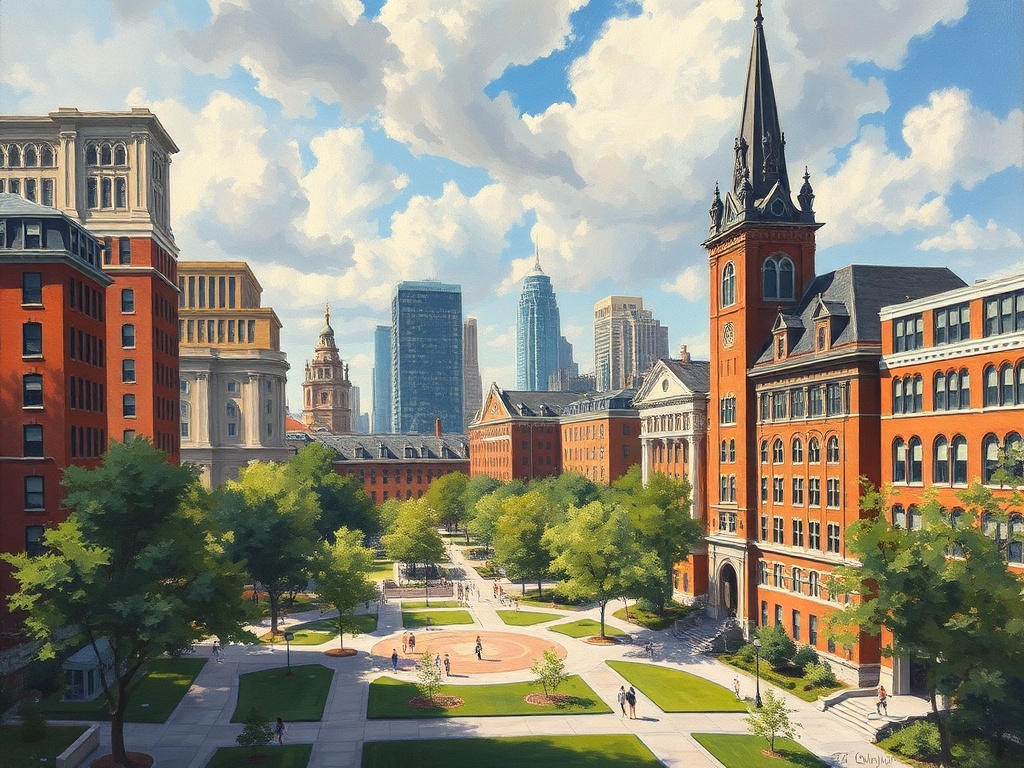
Campus life in an urban setting
BU’s urban footprint means students live and learn in close proximity to cultural institutions, hospitals, theaters, and startup hubs. That access enriches academic life and makes commuting to internships or part-time jobs practical.
Student clubs, arts organizations, and athletics provide balance, while community-based learning programs connect coursework to neighborhood needs.
Sustainability and campus stewardship
Sustainability is increasingly visible across campus operations and curriculum. From energy-efficiency upgrades to waste-reduction initiatives and sustainability-focused courses, the institution is working to reduce its environmental footprint while preparing graduates to tackle climate challenges. Students can get involved through sustainability clubs, campus jobs, and project courses that address local environmental issues.
Support systems for student wellbeing
A thriving academic environment requires attention to mental and physical health.
Counseling, wellness programs, and student support offices aim to help students manage stress, access resources, and maintain balance during demanding academic periods. Peer networks and student-led wellbeing initiatives also play a key role in creating a supportive campus culture.
Tips for students and families
– Start early with career services: schedule mock interviews, résumé reviews, and employer networking events.
– Seek research opportunities—even short-term lab experience builds skills and connections.
– Engage with local organizations to build community ties and applied experience.
– Explore entrepreneurship resources if you have a venture idea; collaboration accelerates progress.
– Prioritize wellbeing: use counseling resources and join student groups for social support.
Boston University’s model shows how a research university in a major city can amplify student opportunity through real-world engagement, interdisciplinary scholarship, and strong community connections. For students who want an environment that blends academic rigor with practical experience, the campus-city interface offers a distinct pathway to careers, innovation, and civic impact.