New Hampshire Fall Foliage Guide: Best Leaf-Peeping Spots, Low-Impact Tips & Local Picks
New Hampshire is synonymous with dramatic fall color—but responsible leaf-peeping goes beyond scenic photos. Whether you’re a weekend visitor or planning a longer stay, experiencing the state’s autumn landscapes with minimal impact creates better memories for everyone and helps preserve the places you love.
Where to go
– Kancamagus Highway: This scenic byway winds through the White Mountain National Forest with pullouts for photos and short hikes. It’s a classic for good reason.
– Mount Washington Valley and Franconia Notch: Ridge lines and mountain vistas offer panoramic color, and easy access to family-friendly trails.
– Lakes Region: The mix of water and forest creates mirror-like reflections of foliage along lakeshores—perfect for kayaking or a quiet picnic.
– Seacoast and Portsmouth: Combine coastal views with fall color and stop at local shops and seafood spots to round out the day.
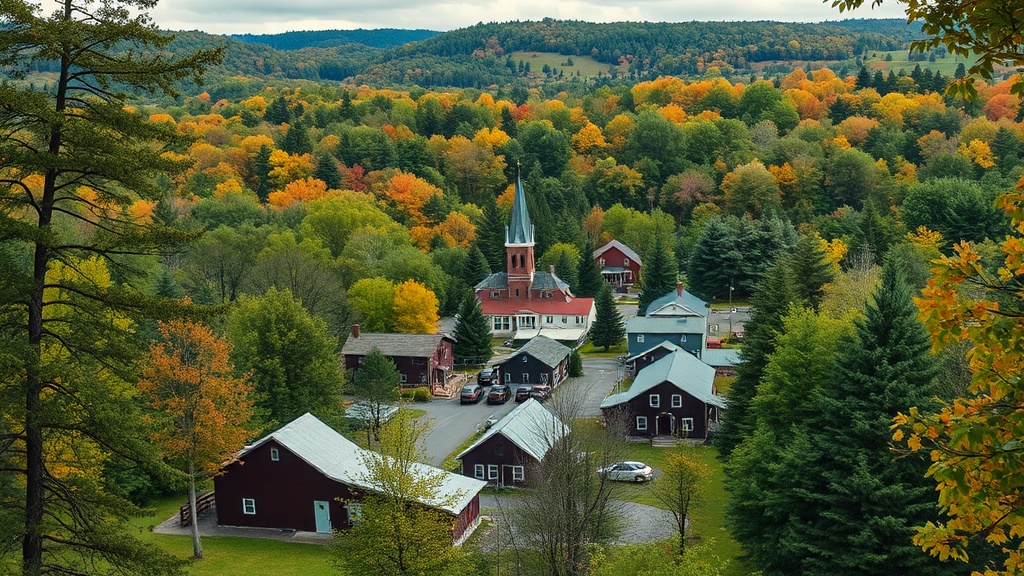
– Keene and Monadnock region: Rolling hills and small-town charm offer a quieter experience away from crowded overlooks.
Practical tips for a better visit
– Time your travel: Peak color varies with elevation and weather. Visiting over a few days or focusing on higher elevations one day and lower elevations another increases your chances of catching top color.
– Avoid peak congestion: Weekdays and early mornings are less busy. If you must travel on a weekend, aim for lesser-known trails or scenic backroads.
– Use designated parking and pullouts: Parking on shoulders or blocking access can damage roadside vegetation and create unsafe conditions.
– Pack for the weather: Layered clothing, waterproof boots, and a light pack with water and snacks will keep a short hike enjoyable even if conditions change.
– Choose sustainable transport: Carpooling, riding local shuttles where available, or planning a single loop route reduces traffic and emissions.
– Follow trail etiquette: Stay on marked trails, keep dogs leashed where required, and carry out what you carry in.
– Respect wildlife: Observe from a distance and avoid feeding animals.
Early morning and evening are peak activity times, so plan accordingly.
– Prevent ticks: Check gear and clothing after hikes, use clothing treated for ticks, and know how to remove ticks properly.
Support local economies
– Eat and shop locally: Farmers markets, cafés, and independent shops are part of the season’s charm. Buying locally sourced food and souvenirs helps keep small businesses thriving.
– Book sustainably minded lodging: Look for inns and lodges that prioritize energy efficiency, water conservation, and waste reduction.
– Consider guided experiences: Local guides and outfitters not only enhance your experience but also bring economic benefits to the community and promote safe, low-impact use of sensitive areas.
Safety and accessibility
– Know trail difficulty: Not all routes are suitable for every skill level. Check trail descriptions and elevation gain before heading out.
– Stay informed: Trail and road conditions can change quickly with weather. Check park service or local guidance for closures and advisories.
– Plan for limited services: In more remote areas, cell reception, gas, and food options may be limited. Carry essentials and a paper map as backup.
A mindful approach to leaf-peeping helps preserve New Hampshire’s vibrant landscapes for future visitors and residents. By planning thoughtfully, supporting local businesses, and following simple low-impact practices, you’ll enjoy one of the most scenic seasons while leaving the places you visit better than you found them.