New Hampshire Travel Guide: Four-Season Adventure & Small-Town Charm
New Hampshire: Four-Season Adventure and Small-Town Charm
New Hampshire packs a lot into a compact footprint: rugged mountains, clear lakes, a short but vibrant coastline, and towns that blend historic charm with a lively food and craft-beverage scene.
For travelers and new residents alike, the state’s mix of outdoor recreation, cultural amenities, and tax advantages makes it an appealing destination any time of year.
Outdoor recreation that fits every season
The White Mountains draw hikers, climbers, and scenic-drive enthusiasts. Classic trails range from gentle lake loops to alpine ridgelines that reward persistence with sweeping views. Popular scenic drives thread through forests and past waterfalls; fall color transforms the landscape into a patchwork of reds and golds that attracts leaf-peepers from across the region. Winter brings skiing and snowboarding at a range of resorts, plus snowshoeing and backcountry routes for those who prefer quieter terrain. In warmer months, the Lakes Region offers boating, paddleboarding, and family-friendly beaches along crystal-clear waters.
Coastal towns and riverfront cities
Though the coastline is short, it’s rich with activity. Ports and seaside towns showcase fresh seafood restaurants, historic shipyards, and waterfront festivals. Inland, riverfront cities combine economic energy with cultural programming—expect art galleries, live music, and a growing roster of gastropubs and breweries. Portsmouth stands out for its walkable downtown, while smaller towns provide a quieter alternative with farm stands, antique shops, and seasonal markets.
Food, drink, and local craft
Local food is a point of pride. Maple producers, farm-to-table restaurants, and seafood shacks coexist with an expanding craft-beer scene and artisanal distilleries. Farmers’ markets and roadside stands make it easy to sample regional specialties. For culinary explorers, pairing a lakeside lobster roll or a plate of farmstead cheese with a local IPA or cider is an essential New Hampshire experience.
Living and working: small-state advantages
A notable draw is the absence of a general sales tax, which influences shopping and visitor spending. The state’s size supports short commutes in many areas, while broadband and co-working options have made remote or hybrid work more practical for newcomers.
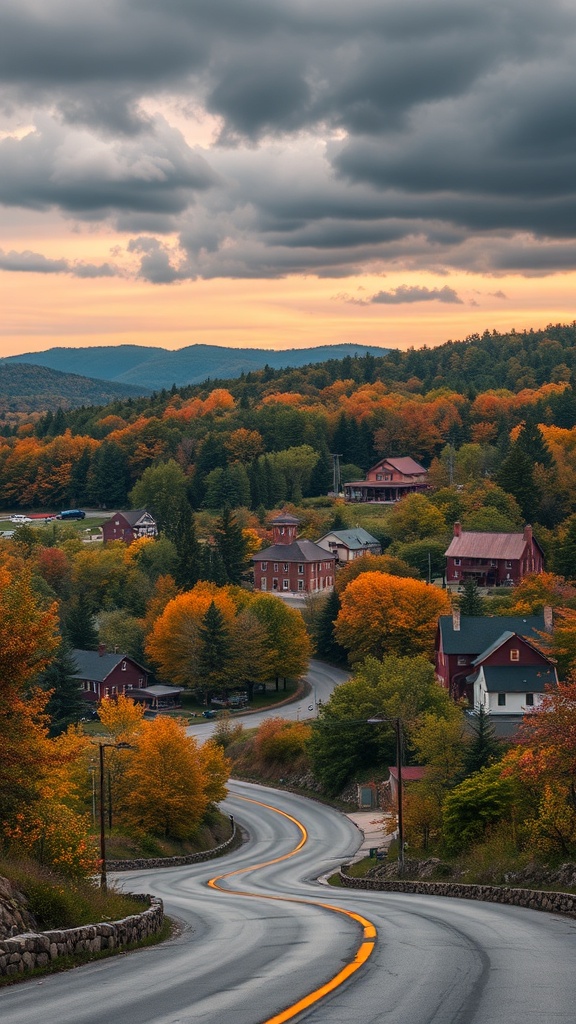
Real estate ranges from historic mill buildings refurbished into hip lofts to classic New England homes and mountain cabins, offering options for a variety of lifestyles.
Practical tips for visitors
Plan around seasons: summer months favor water activities and festivals; fall is peak for foliage; winter is for skiing and snow sports; shoulder seasons are ideal for quieter hikes and lower lodging rates. Book lodging early if you plan to attend popular leaf or ski weekends.
Pack layers—mountain weather can change rapidly. Explore beyond the main attractions: smaller state parks, covered bridges, and farm tours often provide memorable, less-crowded experiences.
Sustainable and responsible travel
Many local businesses and park programs emphasize conservation and trail stewardship. Visitors can support these efforts by following Leave No Trace principles, choosing sustainable tour operators, and purchasing from local artisans and growers.
Whether chasing vistas on a mountaintop, paddling across a serene lake, or sampling seasonal cuisine in a coastal town, New Hampshire offers a concentrated taste of New England that rewards curiosity and outdoor enthusiasm. Plan activities that match the season, leave room for spontaneous detours, and you’ll discover why so many people return again and again.