Northeastern University’s Co-op Model: Career-Ready Graduates Through Global Research, Entrepreneurship, and Experiential Learning
Northeastern University stands out for combining rigorous academics with immersive, career-building experiences that prepare students for a dynamic job market. Known for a robust cooperative education (co-op) model, the institution blends classroom learning with extended, paid work placements that let students apply skills, build professional networks, and refine career goals before graduation.
What makes the co-op model effective
The co-op program offers alternating periods of academic study and full-time work with employers across industries. This structure gives students multi-semester experiences that go beyond short-term internships. Employers benefit from motivated early-career talent who contribute meaningful projects, often returning to campus with sharpened perspectives that enrich classroom discussion. For students, co-op can lead to higher job offers, clearer career direction, and a competitive advantage in the hiring process.
Global presence and research strengths
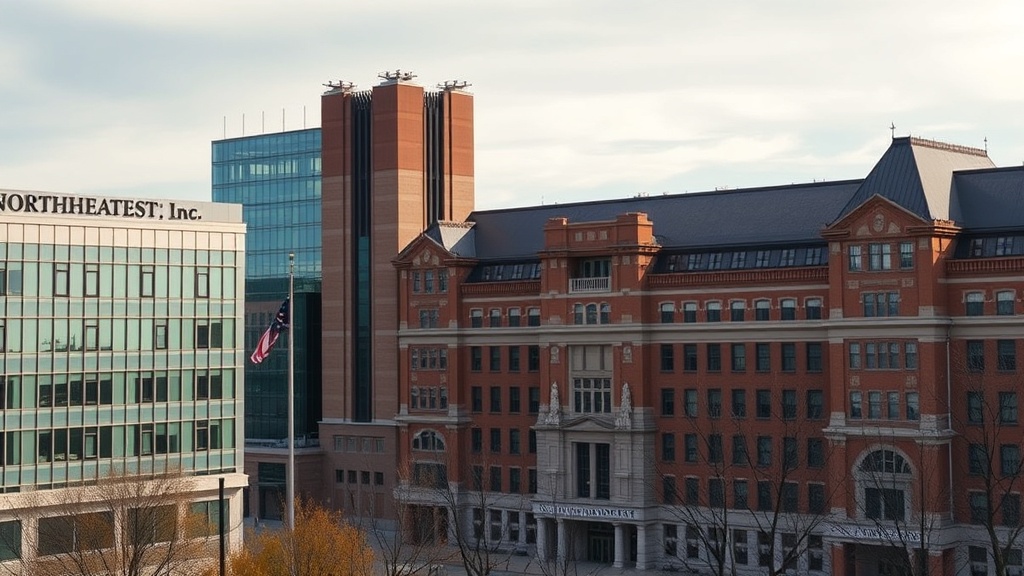
Northeastern’s global campus network and research centers create opportunities for interdisciplinary collaboration.
Campuses and partnerships across continents let students pursue study-abroad co-ops, conduct research in diverse settings, and participate in global problem-solving initiatives. Research spans health sciences, artificial intelligence and robotics, climate resilience, and urban innovation, with a focus on translating discoveries into real-world applications through collaboration with industry and government partners.
Entrepreneurship and innovation ecosystem
A thriving entrepreneurial ecosystem supports students and faculty who want to launch ventures. Incubators, accelerators, maker spaces, and mentorship programs help founders move from prototype to market-ready product. Connections to Boston’s wider innovation economy and local innovation districts create pathways for startups to access capital, partners, and pilot customers. This environment fosters practical learning — students often take leadership roles in launching startups while still enrolled.
Campus life and student support
Beyond academics and work experience, campus life emphasizes community, leadership, and well-being.
Student organizations, cultural groups, and service-learning opportunities enrich the college experience and build transferable skills. Robust advising, career coaching, and professional development resources guide students through co-op placement, resume building, interview prep, and negotiating job offers. Mental health and wellness initiatives support academic success and personal growth.
Sustainability and community engagement
Sustainability initiatives on campus and in nearby neighborhoods reflect a commitment to environmental stewardship and social impact.
Collaborative projects with municipal partners focus on urban resilience, public health, and equitable access to resources.
These partnerships provide students with hands-on experience in civic engagement and a chance to contribute tangibly to local communities.
Advice for prospective students and employers
– For prospective students: Prioritize majors and programs that align with your career interests, and take advantage of early career advising.
Treat co-op terms as professional internships — approach them with clear goals and a willingness to learn. Use campus entrepreneurial resources if you’re interested in starting a venture.
– For employers: Engage with the co-op program to bring in motivated students who can contribute to projects and potentially become long-term hires. Structured mentorship and meaningful project scopes lead to stronger outcomes for both students and companies.
Why it matters
A model that integrates academic rigor with real-world experience equips students to adapt to shifting industries and global challenges. Whether aiming for a career in tech, healthcare, business, or public policy, students leave prepared with practical skills, professional networks, and a track record of applied work.
Explore the university’s program offerings, co-op opportunities, and research initiatives to see how experiential education can accelerate career readiness and innovation.