Maine Coast Travel Guide: Lobster & Seafood, Coastal Hikes, Small-Town Charm and Sustainable Travel Tips
Maine’s coast is a blend of rugged shorelines, working harbors, and culinary culture that keeps drawing visitors and new residents alike. Whether you’re planning a getaway or researching regional food and outdoor trends, understanding what makes Maine distinctive helps you make the most of a trip or a move.
Coastal culture and seafood
Maine’s identity is tightly tied to the sea. Lobster remains the iconic draw — fresh, locally hauled, and often served in simple preparations that highlight sweet, briny meat. Beyond lobster, look for fresh scallops, oysters, and cold-water fish prepared by chefs who emphasize local sourcing. Farmers’ markets in coastal towns and city neighborhoods feature wild blueberries, artisanal cheeses, and preserved goods that make great souvenirs.
Outdoor adventure and protected places
Protected coastlines and inland forests offer classic New England outdoor activities. Carve out time for coastal hikes where granite ledges meet the Atlantic, island-hopping by ferry, or scenic drives that reveal lighthouse views and salt marshes. National and state parks provide well-marked trails, picnic spots, and ranger programs geared to families and serious hikers alike. For quieter adventures, kayaking in sheltered coves or birdwatching at tidal estuaries shows a different, intimate side of Maine’s ecosystems.
Small-town charm and urban energy
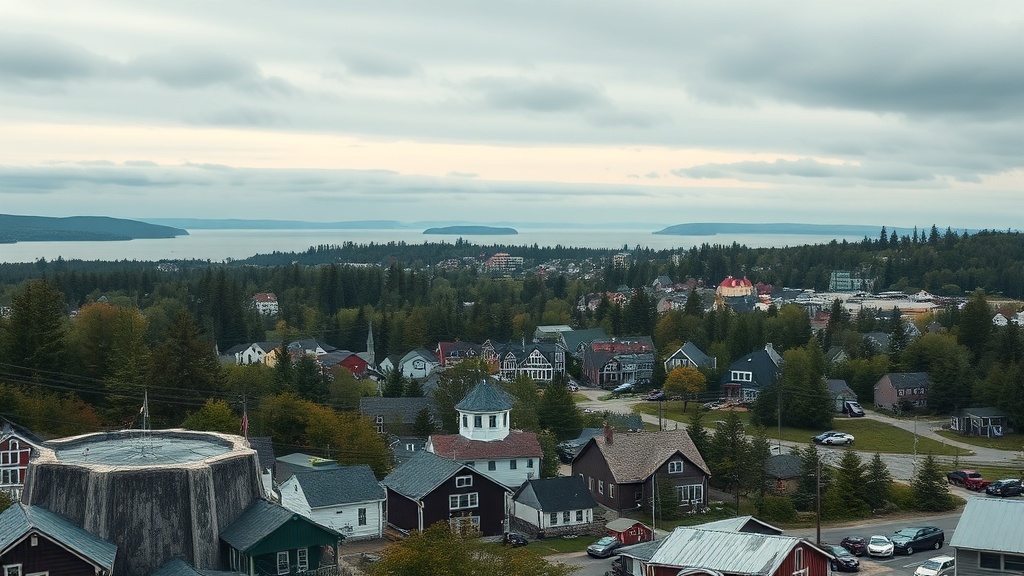
Maine’s towns balance historic charm with growing culinary and arts scenes.
Portland’s Old Port neighborhood hums with restaurants, breweries, and waterfront walks, while smaller harbors and lighthouse villages offer cozy inns, galleries, and craft shops. Look for community events and seasonal festivals that celebrate seafood, music, and maritime heritage — these are where you’ll find locals sharing stories and recommendations.
Sustainability and resilience
Coastal communities are increasingly focused on resilience and sustainable practices.
Fisheries, tourism operators, and conservation groups are collaborating on measures such as habitat protection, responsible harvest rules, and climate adaptation strategies to preserve coastal livelihoods and habitats. Visitors can support sustainability by choosing certified operators, minimizing single-use plastics, and respecting local wildlife and private property.
Practical tips for a memorable visit
– Timing: Summer months bring warm weather and ferry schedules; fall delivers vivid foliage and quieter trails. Shoulder seasons often offer fewer crowds and lower rates.
– Packing: Layering is essential — mornings and evenings can be cool even after warm days. Bring sturdy shoes for rocky trails and a windproof jacket for coastal breezes.
– Dining: Try a classic lobster roll at a small harbor shack as well as a chef-driven seafood plate in a city restaurant to get the full culinary spectrum.
– Getting around: Renting a car gives flexibility for coastal drives and exploring back roads. Ferries are indispensable for island visits.
– Respect local rhythm: Many businesses have limited hours in off-peak months — check ahead for ferries, tours, and restaurant reservations.
Why Maine matters
Maine offers a mix of timeless cultural touchstones and evolving approaches to conservation and local economies. The appeal is not just scenery but the lived-in quality of working waterfronts, the taste of just-caught seafood, and the accessible outdoor experiences that suit families, photographers, and seasoned adventurers. Whether exploring urban food scenes, tracing coastal trails, or simply watching fog roll over a harbor, Maine delivers a memorable blend of nature and culture that rewards curiosity and slow travel.