Inside Boston University’s Allston Expansion: How It Will Transform Student Life, Research, and the City
Boston University’s Allston expansion: what it means for students, research, and the city
Boston University’s long-term build-out in the Allston neighborhood is reshaping the university and the surrounding community into a modern hub for research, student life, and mixed-use development.
The effort blends state-of-the-art academic facilities with housing, retail, and public green space, positioning the campus as a catalyst for innovation and neighborhood investment.
A destination for interdisciplinary research
The Allston projects emphasize interdisciplinary research and life sciences. New lab-intensive buildings and flexible research spaces are designed to attract faculty and industry partners working on biomedical engineering, neuroscience, infectious disease, and climate-resilient urban systems. The clustering of research facilities creates more opportunities for cross-school collaboration — from the medical and engineering schools to business, public health, and the arts — accelerating translational work that moves discoveries from bench to community impact.
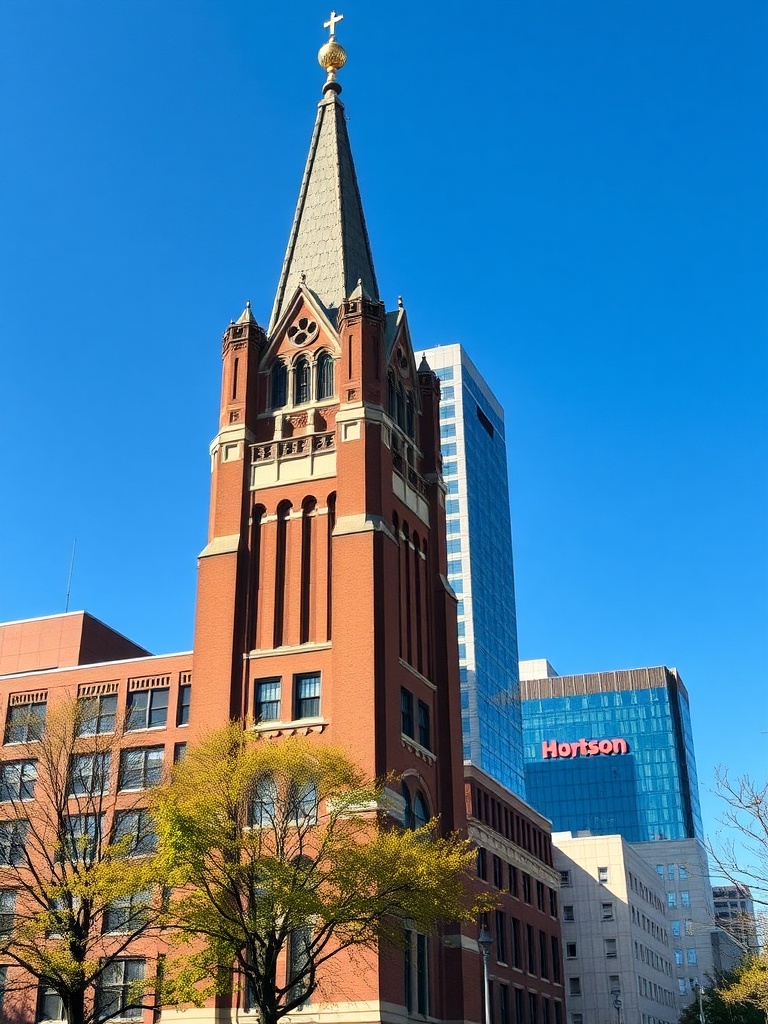
Student life and housing gains
Expanding student housing and amenities is a major focus.
The plan adds modern residence halls, study commons, dining options, and recreation facilities that reduce pressure on the Charles River campus and offer a more cohesive student neighborhood.
For students, that means easier access to research labs and internship hubs, along with new social and wellness spaces tailored to today’s campus lifestyle.
Economic and community impact
The build-out brings local hiring, construction jobs, and long-term employment in research, retail, and facilities management. Mixed-use development aims to integrate new retail and neighborhood services, which benefits both campus residents and longtime Allston neighbors.
At the same time, the university and city continue to negotiate community benefits — affordable housing, small business support, and public realm improvements — to ensure the investment supports a diverse, vibrant neighborhood.
Sustainability and public space
Sustainability is central to the design approach.
New buildings incorporate energy-efficient systems, green roofs, and stormwater management to align with broader carbon-reduction goals. Public green spaces and waterfront access are woven into the plan to improve walkability and recreation along the riverfront, offering both aesthetic and climate-adaptive benefits.
Transportation and connectivity
Improved transit connections and pedestrian-friendly corridors are part of the vision. Enhanced shuttle services, bike lanes, and better integration with regional transit reduce reliance on cars and improve daily commutes for students, faculty, and staff. Connectivity between Allston and the Charles River campus is a priority, making it easier to move between academic, residential, and recreational zones.
Balancing growth and equity
Large-scale campus expansion raises questions about displacement, affordability, and neighborhood character.
Ongoing dialogue among university leaders, residents, and local officials focuses on mitigating negative impacts while maximizing public benefit. Initiatives include community advisory committees and targeted investments to support affordable housing and local entrepreneurship.
Why it matters
For prospective students and faculty, the Allston expansion signals a commitment to research excellence and contemporary campus living.
For the city, it represents a significant economic and cultural investment that rethinks how a major university integrates with its urban surroundings. For current students, it means more research opportunities, modern amenities, and a campus that supports multidisciplinary learning.
If you’re exploring Boston University — whether for study, partnership, or community engagement — Allston’s transformation is one of the most tangible signs of the university’s strategic direction: building infrastructure that supports innovation, sustainability, and stronger ties between campus and city.
For updates or to plan a visit, check official university resources and local community forums to see how projects are evolving and how to get involved.