Berklee College of Music: How Its Hands-On, Tech-Driven Program Launches Music Careers
Berklee College of Music stands out as a leading incubator for contemporary musicians, producers, and music entrepreneurs who want to bridge creativity with the music industry. Known for its hands-on curriculum and genre-fluid approach, Berklee emphasizes real-world skills: songwriting, music production, performance, music business, and advanced music technology are woven into daily learning rather than treated as separate electives.
A defining feature is cross-disciplinary collaboration. Students work in ensembles, studio labs, and production suites alongside peers from different musical backgrounds, creating a constant exchange of ideas. That collaborative model extends to songwriting camps, film scoring projects, and cross-campus initiatives with conservatory-trained performers, giving students practical experience with arrangement, orchestration, and ensemble leadership.
Technology is central to the experience. Facilities and programs focus on modern production workflows—advanced DAW training, immersive audio formats, live sound engineering, and the integration of electronic and acoustic instruments. Students get time in professional-grade studios and are encouraged to develop a portfolio of recorded work, sync-ready compositions, and multimedia projects that reflect contemporary consumption patterns.
Career development receives deliberate attention. Industry-facing programs connect students with internship opportunities, artist management professionals, and music business coursework that covers rights, licensing, distribution, and entrepreneurship. Several incubators and entrepreneurial initiatives help graduates launch startups, label ventures, or independent careers with sustainable revenue strategies. A strong alumni network and active industry partnerships mean mentorship and gig opportunities often arise organically from campus collaborations.
Berklee’s global footprint offers additional pathways. A campus in Spain and numerous exchange programs and summer workshops create international performance and learning opportunities. These global connections foster musical fluency across languages and styles, which is increasingly valuable in a music marketplace that rewards cultural versatility.
Community engagement is another pillar. Programs that bring music education to underserved neighborhoods and school partnerships cultivate the next generation of musicians while offering students real-world teaching and program-management experience. Music therapy and performing arts programs—strengthened through integration with a conservatory—provide expanded training for those pursuing clinical and theatrical careers.
Notable alumni success stories illustrate the institution’s range: artists who have built chart careers, composers who write for film and television, and executives shaping the music industry. Alumni involvement often translates into masterclasses, guest residencies, and networking events that keep the curriculum aligned with current industry standards.
For prospective students, Berklee’s appeal is the blend of rigorous musicianship and practical professional preparation.
Whether aiming to be a performer, producer, composer, or music-business professional, students leave with tangible skills, a body of work, and industry contacts.
The environment rewards initiative—students who take ownership of projects, seek cross-disciplinary partnerships, and capitalize on performance and studio resources tend to accelerate their careers fastest.
Berklee remains a magnet for those who want to work at the intersection of creativity and commerce, offering an ecosystem where musical innovation is supported by technical training, industry integration, and a global outlook.
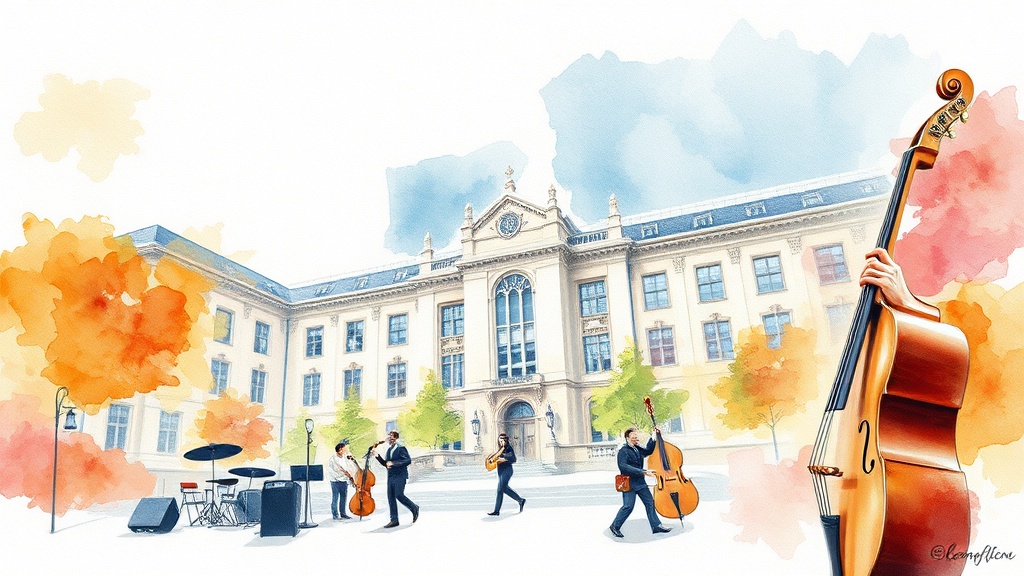
For musicians who want to shape the soundscape and the business surrounding it, the college offers fertile ground to develop both artistry and career momentum.