Berklee College of Music: Contemporary Music Education and Career-Focused Programs for Aspiring Creators
Berklee College of Music stands out as a hub for contemporary music education, blending rigorous musicianship with real-world industry skills.
Known for an ethos of collaboration, genre fluidity, and hands-on learning, the school equips creative professionals to navigate an ever-evolving music landscape.
What makes Berklee different
Berklee emphasizes contemporary music styles and technological fluency alongside traditional craft.
Students move between songwriting rooms, production labs, scoring suites, and live performance spaces, learning to write, record, and present music that connects with modern audiences.
Cross-department collaboration is built into the culture: jazz students collaborate with electronic producers, film scoring majors work with chamber ensembles, and music business students negotiate real licensing deals with peers.
Programs that attract creators
– Music Production and Engineering: Focuses on studio technique, mixing, mastering, and workflow using industry-standard DAWs and consoles. Students graduate with portfolio-ready tracks and practical studio experience.
– Film Scoring and Composition: Trains composers to write for picture, practice spotting sessions, and deliver stems and mockups that meet industry expectations.
– Music Business and Management: Covers publishing, licensing, touring strategies, and entrepreneurship so artists can monetize their work and build sustainable careers.
– Songwriting and Contemporary Performance: Emphasizes lyric craft, song architecture, arrangement, and stage presence. Performance opportunities help students test material live and refine audience connection.
– Electronic Production and Design: Focuses on synthesis, sound design, live electronic performance, and immersive audio formats.
Global reach and flexible learning
Berklee’s global footprint includes international study options and a robust online platform that delivers conservatory-quality training to remote learners. The online curriculum mirrors campus courses, offering certificates and degree pathways that cater to working musicians, managers, and producers. This flexibility makes specialized instruction accessible to a worldwide creative community.
Career-focused training
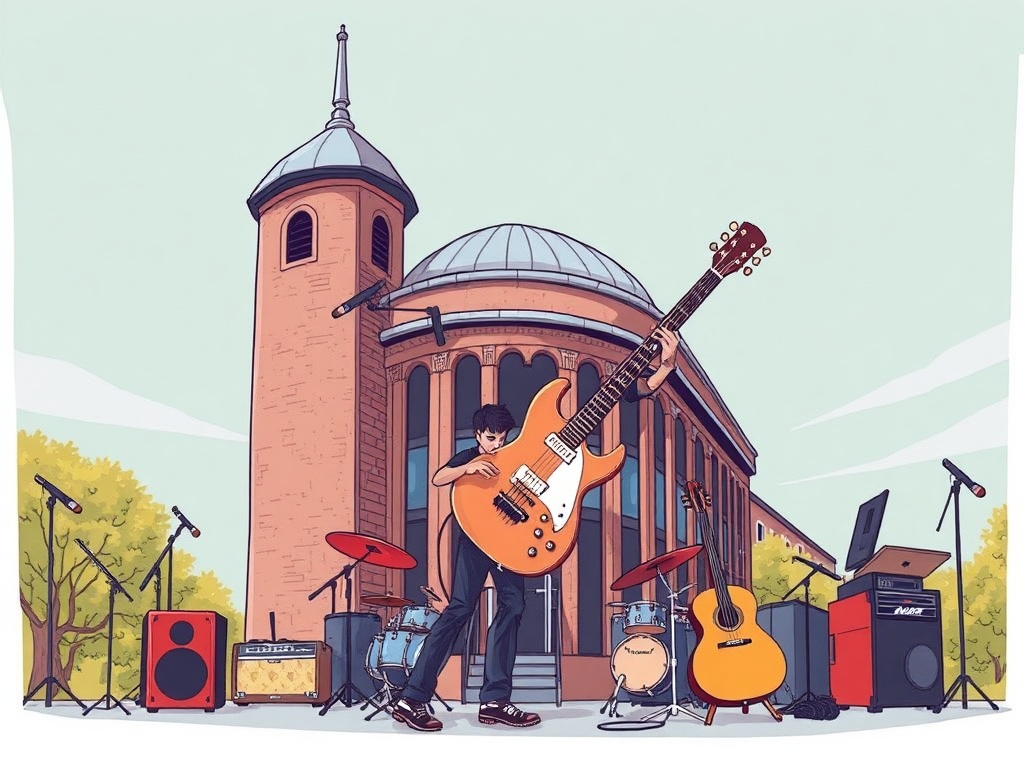
Beyond classroom instruction, career development is integral.
Students build professional networks through internships, artist clinics, and industry partnerships. Portfolio development is prioritized—students graduate with demonstrable work, from fully produced albums and film scores to business plans and licensing-ready tracks.
Performance venues on and near campus give artists repeated chances to hone live presentation and merchandising skills.
Practical tips for prospective students
– Build a focused portfolio: Showcase a few strong tracks that highlight your style, technical skills, and artistic voice rather than a long, unfocused list.
– Demonstrate versatility: Ability to work across genres or with different collaborators signals readiness for the modern music industry.
– Learn production basics: Even performers benefit from knowing recording and editing workflows; producers benefit from musical literacy.
– Network strategically: Attend masterclasses, collaborate on student projects, and use alumni connections — relationships formed in school often open early career doors.
– Know your goals: Choose programs and electives that align with whether you want to perform, compose for media, produce, or run the business side of music.
Culture and student life
The campus atmosphere encourages experimentation. Ensembles, student-run labels, and late-night jam sessions foster creative growth. Faculty are often active industry professionals, providing mentorship rooted in current practices.
If you’re serious about turning musical passion into a professional craft, seek programs that balance artistic development with technical skills and career planning. Berklee College of Music remains a compelling option for creators who want immersive training, diverse collaboration, and direct pathways into the music industry. Consider attending a campus visit or sampling an online class to see how the curriculum and community match your ambitions.