How Northeastern University’s Co-op and Experiential Learning Builds Career-Ready Graduates
Northeastern University’s approach to education centers on one idea: learning by doing.
That philosophy shapes a campus experience that blends classroom study with real-world practice, and it’s what makes the university a prominent choice for students who want immediate career momentum.
Signature co-op and experiential learning
The cooperative education model gives students structured, credit-bearing work placements with employers across industries. Those extended, paid experiences let learners test career paths, build professional networks, and accumulate resume-ready accomplishments before graduation.
Beyond co-op, experiential learning includes project-based courses, research assistantships, and community-engaged initiatives that integrate theory with applied problems.
Maximizing co-op value
– Start early: identify career interests and relevant skills to target stronger placements.
– Use career services: workshops, resume reviews, and employer events are designed to help students secure competitive roles.
– Treat each placement as a learning lab: set clear goals, seek mentorship, and document measurable achievements to showcase later.
Global campuses and cross-border opportunities
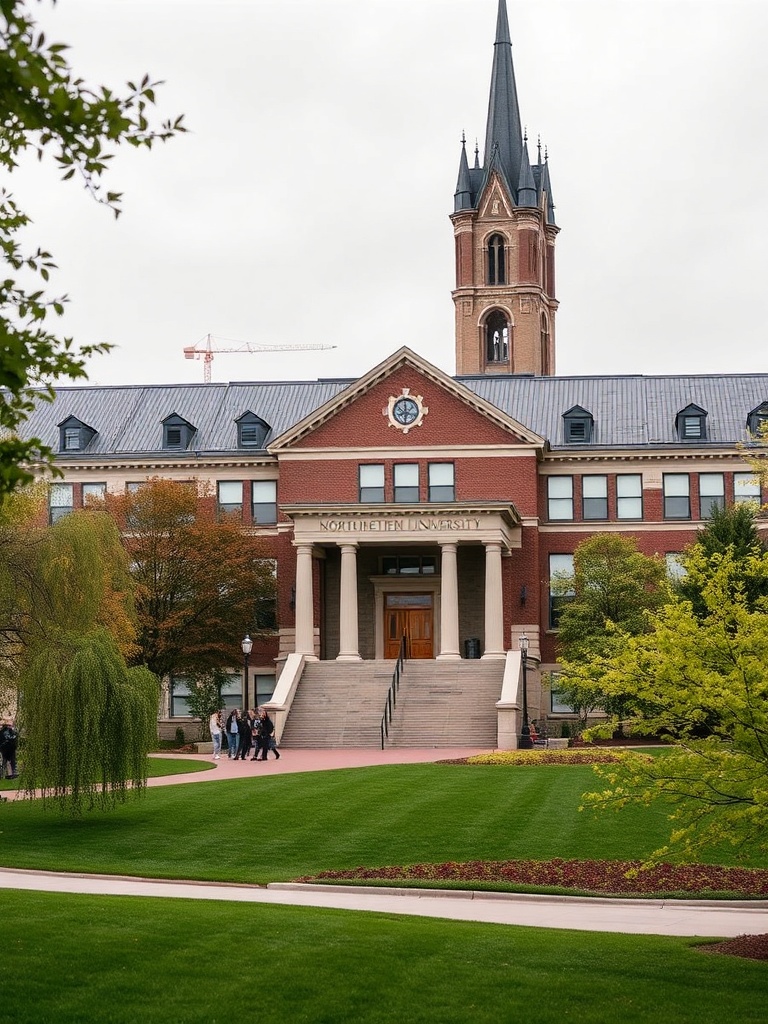
Northeastern’s global network extends learning beyond the main campus, giving students access to internships, research collaborations, and study-abroad options in major economic and innovation hubs. This international footprint helps students develop cross-cultural fluency and industry-specific experience in global markets.
Research, innovation, and industry partnerships
The university emphasizes interdisciplinary research that addresses real-world challenges. Research centers and innovation hubs partner with corporations, startups, and public institutions to translate discoveries into practical applications. Fields with notable momentum include data-driven health sciences, advanced materials, sustainable systems, and entrepreneurship ecosystems that support student and faculty startups.
Entrepreneurship and startup support
A strong entrepreneurial culture provides mentorship, incubator space, and funding pathways for founders. Students can access pitch competitions, accelerator programs, and legal or technical guidance to move ideas from prototype to market. The combination of on-campus resources and connections to local venture communities helps early-stage ventures scale.
Career outcomes and industry alignment
Close collaboration with employers helps align curricula with evolving workforce needs.
Employers value graduates who bring technical competency plus experience working on team-based, multidisciplinary projects. The result is graduates who are often ready to contribute from day one in sectors like technology, biotech, finance, and consulting.
Sustainability and community impact
Sustainability initiatives and community partnerships are embedded in academic and operational priorities. From campus sustainability projects to community-based research, students and faculty work on tangible solutions—improving energy efficiency, urban resilience, and equitable access to resources—while gaining practical experience.
Student life and city integration
The urban campus benefits from proximity to a thriving innovation and cultural ecosystem.
Students can tap into internships, cultural institutions, and industry events just steps from campus, creating a seamless integration between academic life and professional development.
Practical tips for prospective students
– Prioritize experiential opportunities when comparing programs.
– Research employer partners and recent placement examples to assess fit.
– Seek interdisciplinary courses and labs to broaden career options.
– Explore entrepreneurship resources early if you plan to launch a venture.
Northeastern’s educational model emphasizes momentum—connecting classroom learning to paid work, research, and global experience so students graduate with a portfolio of accomplishments and professional confidence. For learners who want education that immediately translates into career readiness and impact, that integrated, hands-on approach is a compelling path.