How Berklee College of Music Trains Career-Ready Contemporary Musicians
Berklee College of Music continues to shape how contemporary musicians are trained, blending performance, technology, and entrepreneurship into a practical, career-focused education.
Known for its emphasis on popular music, jazz, and innovative genres, Berklee attracts a globally diverse student body and keeps curricula tightly connected to the music industry’s changing demands.
A curriculum built for the modern music professional
Berklee’s programs prioritize real-world skills: songwriting, music production and engineering, film and TV scoring, game audio, music business and management, and contemporary performance.
Hands-on studio time, collaborative projects, and industry-standard software training are integrated across majors so graduates leave with both artistic craft and technical fluency.
Cross-disciplinary courses encourage students to produce, market, and monetize their work rather than rely solely on traditional career paths.
Technology and immersive audio
Technology is central to Berklee’s approach. Students work with cutting-edge tools for production, mixing, and spatial audio, preparing for careers in immersive sound for streaming, gaming, and live events. Partnerships with tech companies and access to professional facilities let students practice workflows used by working professionals, which is invaluable when pursuing roles in studios, post-production houses, and interactive media.
Global campuses and online reach
With a main campus in Boston and an international campus in Valencia, Berklee offers a global perspective on music education. These campuses enable cross-cultural collaboration and diverse performance opportunities.
For those who need flexibility, Berklee Online provides accredited degree and certificate programs, masterclasses, and short courses that mirror on-campus rigor while accommodating remote learners. That mix of in-person and online options expands access to students worldwide.
Career development and industry ties
Career services at Berklee focus on internships, networking, and entrepreneurship.
Students are encouraged to build portfolios, release work independently, and pitch to industry professionals through showcases and career fairs. Faculty and visiting artists—many of whom are active industry professionals—offer mentorship and connections that can open doors to record labels, scoring gigs, and other professional opportunities.
Performance culture and collaboration
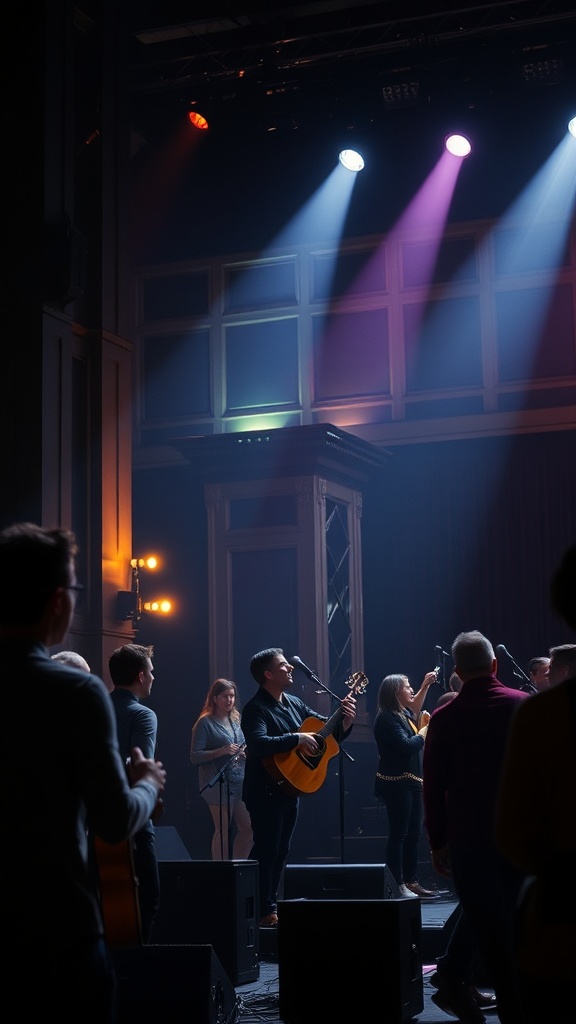
Performance remains a cornerstone of the Berklee experience. Ensembles, student-run bands, and production collectives give musicians frequent live and studio platforms to test material and refine stagecraft.
The collaborative ethos pushes students to co-write, produce, and perform across genres, fostering adaptability—a key asset in a music landscape that rewards versatility.
Notable outcomes and alumni influence
Alumni influence is visible across the music business: Berklee graduates work as performers, composers, producers, educators, and executives. The school’s reputation for producing technically skilled, business-savvy musicians enhances its appeal for recruiters and collaborators looking for professionals who can contribute immediately.
Why it matters to aspiring musicians
For aspiring musicians, Berklee represents more than technical training; it’s a launchpad for building a sustainable career. The combination of performance opportunities, technology training, industry connections, and entrepreneurial guidance helps students turn creative skills into viable careers, whether they aim to be performing artists, scoring composers, or music entrepreneurs.
If you’re exploring music education options, consider how a program’s balance of artistic development, technical training, and career support aligns with your goals. Berklee’s model—focused on collaboration, innovation, and real-world readiness—offers a blueprint for preparing musicians to thrive in today’s evolving music ecosystem.