Why Northeastern University’s Co-op Model Still Matters for Students and Employers
Northeastern University: Why the Co-op Edge Still Matters
Northeastern University has built a distinctive academic identity around one idea: learning by doing. That cooperative education model—where classroom study alternates with full-time professional experience—continues to shape how students prepare for careers, how employers source talent, and how universities think about workforce readiness.
What makes the co-op model powerful
– Real-world experience: Students spend substantial time in workplace settings that align with their majors and interests. This hands-on exposure deepens technical skills and builds the soft skills employers value: communication, project ownership, and teamwork.
– Career clarity: Early and repeated industry exposure helps students refine career goals.
Trying different roles reduces uncertainty and leads to more informed decisions about graduate study or full-time employment.
– Competitive advantage: Employers often convert successful co-op students into full-time hires. For students, co-ops provide interview practice, professional references, and demonstrable accomplishments for resumes and portfolios.
– Network building: Long-term industry connections formed during co-op terms become a foundation for mentorship, future job leads, and entrepreneurship support.
Beyond co-op: research, innovation, and global reach
The institution pairs experiential learning with strong research and innovation ecosystems.
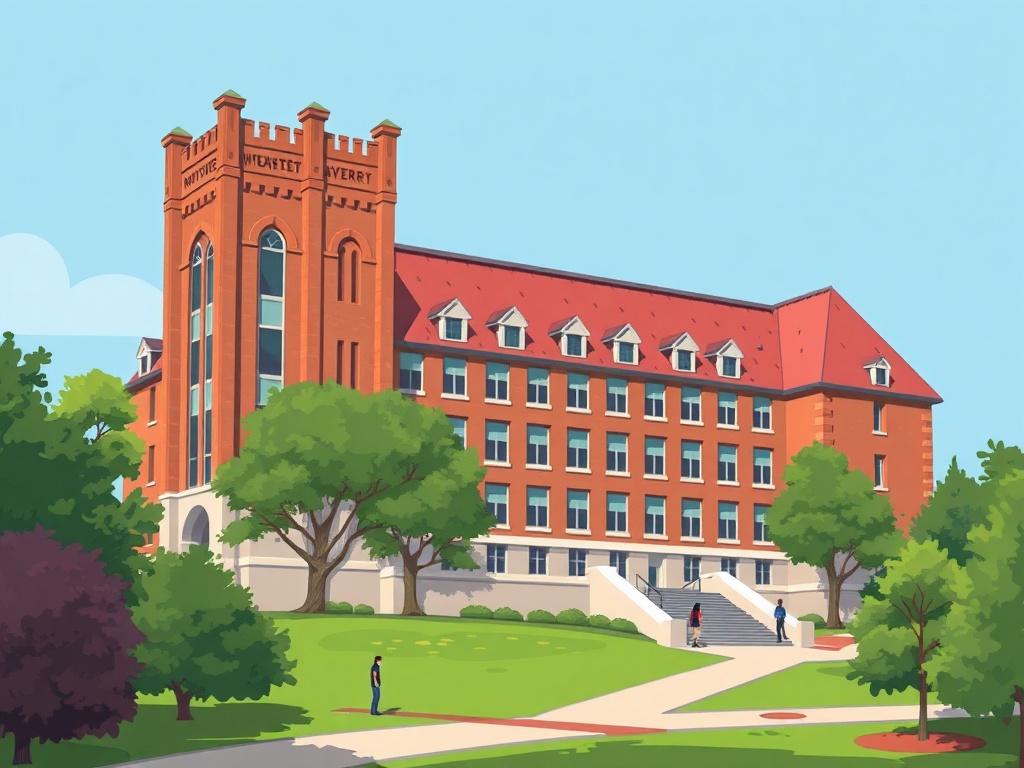
Interdisciplinary centers, faculty-led labs, and specialized institutes provide pathways for undergraduates and graduate students to engage in cutting-edge projects across technology, health sciences, climate and sustainability, and data-driven disciplines. Regional innovation hubs and industry partnerships fuel applied research and rapid prototyping, helping bridge academia and commercial impact.
A global network of campuses and partnerships expands opportunities beyond the main campus. Students can access international internships, cross-border research collaborations, and experiential learning that complements their academic programs.
This global dimension enhances cultural competency and prepares graduates for careers in an interconnected marketplace.
Entrepreneurship and startup support
Entrepreneurial-minded students find ample resources: incubators, mentorship programs, pitch competitions, and funding channels that accelerate ideas from concept to company. Campus entrepreneurship spaces cultivate multi-disciplinary teams where students from engineering, business, and design co-create products and services—often with direct feedback from industry mentors.
How students can maximize the Northeastern advantage
– Start early: Explore co-op options and attend employer info sessions well before application deadlines.
Early planning opens more opportunities.
– Build a portfolio: Document projects, code, designs, lab results, or impact metrics from classes and internships. Tangible evidence of skills matters more than generic descriptions.
– Use career services strategically: Resume reviews, mock interviews, and industry-specific workshops sharpen readiness for competitive placements.
– Network intentionally: Faculty, alumni, and co-op supervisors are lasting resources. Follow up after placements and maintain professional relationships.
– Combine research and co-op: Pursue faculty-led projects to deepen domain expertise, then apply that specialization during co-op terms to stand out to employers.
Why employers keep partnering
Employers benefit from access to a steady pipeline of talent that is trained to integrate quickly into teams, tackle real projects, and contribute from the outset. The co-op model allows companies to evaluate potential hires over extended periods, reducing hiring risk and shortening onboarding time for full-time conversion.
The co-op-centered approach continues to influence higher education strategies focused on employability and measurable outcomes.
For students seeking practical preparation, interdisciplinary exposure, and a network that leads to opportunity, the experiential model remains a compelling pathway to launch and shape a career. Explore available programs, talk to advisors, and map a plan that blends academics, co-op placements, and hands-on innovation to maximize growth and future options.