Northeastern University’s Experiential Co-op Model, Global Campus Network, and Research-Driven Career Outcomes
Northeastern University: experiential learning, global reach, and career-focused research
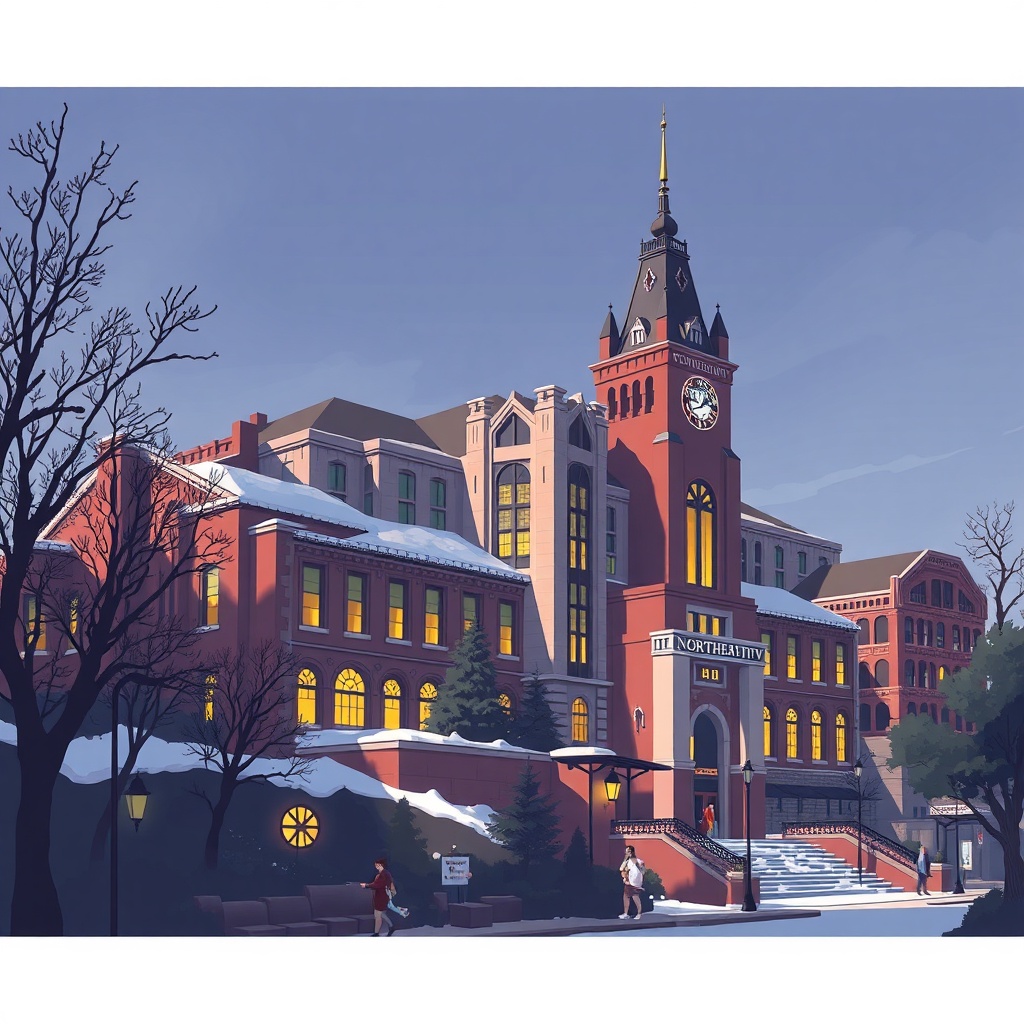
Northeastern University has built a reputation around experiential education that connects classroom learning with real-world experience. At the heart of the student experience is a structured cooperative education model that places students in full-time, paid roles across industries. This approach helps students graduate with not only academic credentials but also a robust portfolio of professional experiences, often leading directly to employment or advanced opportunities.
A global campus network amplifies the value of experiential learning. Students can study and work across multiple international locations, giving them cross-cultural training and exposure to global markets. This network supports research collaborations and industry partnerships that span continents, enabling projects with multinational companies, start-ups, and public-sector organizations.
Research and innovation are central to the university’s mission. Interdisciplinary centers and labs tackle complex challenges in health sciences, climate resilience, cyber and data security, and advanced manufacturing.
Faculty and graduate students frequently partner with industry and government, translating discoveries into commercial products, policy recommendations, and community programs.
The integration of research with experiential learning means undergraduates often have hands-on roles in meaningful projects, enhancing both education and impact.
Entrepreneurship thrives on campus through incubators, mentoring programs, and access to capital.
Student and alumni ventures benefit from a dense ecosystem that includes maker spaces, accelerator programs, and collaborations with venture partners. This ecosystem is designed to move ideas from prototype to market-ready solutions, supporting founders with business coaching, legal and financial guidance, and investor connections.
Campus life balances rigorous academics with a lively student culture. Residential communities, student organizations, and an active calendar of events cater to diverse interests—arts, athletics, civic engagement, and professional development. Career services work closely with employers to host recruiting events, workshops, and industry panels, ensuring students can translate their experiential learning into career outcomes.
Sustainability and community engagement are increasingly prominent priorities. The university implements energy-efficient building designs, green transportation options, and programs aimed at reducing campus carbon footprint. Community partnerships support local economic development, education initiatives, and public health programs, reinforcing a commitment to civic responsibility and regional impact.
Employers often seek Northeastern graduates for their practical experience, adaptability, and problem-solving skills. The university’s model encourages iterative learning: students test ideas in professional settings, reflect with faculty mentors, and then return to campus with refined questions and new competencies. This loop accelerates professional readiness and fosters lifelong learning habits.
For prospective students weighing options, Northeastern offers a distinct pathway: integrated academic rigor plus structured professional experience and global exposure. For employers and partners, the university represents a talent pipeline and a source of applied research that can address immediate business needs.
For communities, it delivers programs and partnerships that advance social and economic goals.
Today, the institution continues to evolve its offerings—expanding research priorities, deepening industry ties, and adapting experiential models to emerging fields—while maintaining the core promise of education that directly prepares students for meaningful careers and societal contribution.