Connecticut Shoreline Travel Guide: What to See, Eat, and Do Along the Coast
Connecticut’s coastline blends maritime history, small-town charm, and a surprisingly vibrant food and outdoor scene. For travelers and locals alike, the Shoreline offers a compact way to experience New England seafaring culture without long drives or heavy crowds.
Here’s a practical guide to what to see, eat, and do along Connecticut’s coast.
Why the Connecticut coast matters
The Shoreline stretches from the Long Island Sound up through river estuaries and harbors, offering salt marshes, rocky bluffs, sandy beaches, and working waterfronts. It’s a place where historic ships share space with modern restaurants and where short ferry rides open access to islands and neighboring states. Accessibility and variety make it ideal for day trips or relaxed multi-day itineraries.
Top coastal towns and highlights
– Mystic: A must for maritime history and family-friendly museums. Stroll the historic seaport, watch classic vessels, and explore nearby shops and cafes.
– New Haven: Beyond its renowned cultural institutions, New Haven’s harbor area and seafood restaurants are thriving. Look for authentic regional specialties alongside inventive seafood menus.
– Old Saybrook and Essex: These towns offer scenic waterfront parks, boutique shopping, and quiet marina strolls—perfect for slower-paced outings.
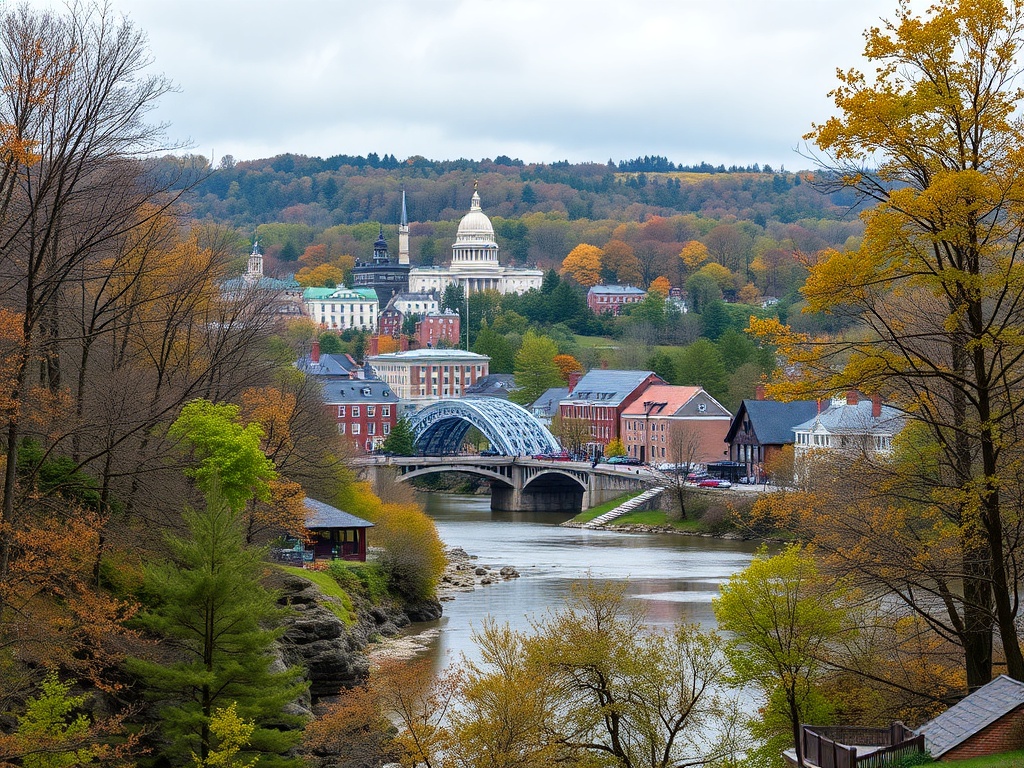
– Madison and Clinton: Both combine accessible beaches with lively main streets full of eateries and galleries.
Ideal for swimmers and casual beachcombing.
– Greenwich and Westport: Closer to larger urban centers, these towns pair upscale dining with picturesque harbors, art museums, and coastal trails.
What to do
– Maritime museums and lighthouses: Learn about shipbuilding, whaling, and coastal trade at seaport museums; climb or view historic lighthouses for classic coastal panoramas.
– Boat tours and charters: Choose a narrated harbor cruise, a sunset sail, or a fishing charter.
Ferries provide a scenic way to hop between ports and nearby islands.
– Beaches and paddle sports: Sandy beaches and calm bays are great for swimming, kayaking, and stand-up paddleboarding—pack layers for breezy conditions.
– Trails and parks: Coastal trails and state parks offer cliff-top views, birdwatching, and picnic spots. Salt marshes are especially active during migration seasons.
– Local food scene: Seafood rules—from casual clam shacks serving fried clams and lobster rolls to fine-dining restaurants featuring local shellfish. Farm-to-table menus complement the catch-of-the-day.
Practical tips
– Time your visit around tides for the best beachcombing and estuary views; marsh wildlife is most active in early morning and late afternoon.
– Bring layered clothing—coastal winds can be cool even on warm days.
– Reserve dining or boat tours ahead for peak weekend times, but weekdays often offer easier parking and shorter lines.
– Support local growers and fishers by shopping farmers’ markets and seafood counters for fresher, more sustainable choices.
– Opt for early or late visits to popular museums to avoid crowds, and check seasonal schedules since some historic sites rotate programs.
Sustainability and stewardship
Many coastal communities prioritize habitat restoration and responsible fishing. Visitors can help by following leave-no-trace principles, respecting posted wildlife areas, and choosing certified sustainable seafood when dining.
Whether you’re seeking a quiet beach day, a historic harbor walk, or a seafood-focused culinary outing, Connecticut’s shore delivers a compact, accessible coastal experience that appeals to nature lovers, history buffs, and foodies alike.