How Berklee College of Music Prepares Musicians for Modern Music Careers
Berklee College of Music remains a vital hub for contemporary music education, blending rigorous artistry with the tools and networks students need to build careers in a fast-changing industry. Known for its student-centered approach, Berklee emphasizes practical experience across performance, production, business, and technology — preparing musicians for many roles beyond the stage.
A curriculum built for today’s music landscape
Berklee’s curriculum balances traditional musicianship with fields that reflect the modern music economy. Students can pursue majors in performance, songwriting, music production and engineering, music business, film scoring, and music therapy, among others. Special programs in electronic production and sound design give performers and producers hands-on skills for studio work, live electronic shows, and game audio. Cross-disciplinary projects are common, letting students collaborate with peers from different programs to create industry-ready work.
Real-world learning and industry connections
What sets Berklee apart is the emphasis on real-world experience. Ensembles, studio sessions, and performance showcases mirror professional settings, while internships and mentorship programs connect students to labels, production houses, and media companies. Career services focus on portfolio development, licensing, and entrepreneurship, helping emerging artists navigate streaming platforms, sync placements, and touring logistics.
Global reach and flexible learning
Berklee’s global footprint — including a European campus at Valencia and a robust online division — expands access for students worldwide.
The online programs offer degree and certificate options that replicate campus coursework, with interactive classes, video labs, and personalized feedback from faculty. For students seeking international immersion, the Valencia campus provides a distinct cultural and creative environment with opportunities to perform, collaborate, and study contemporary music scenes outside the United States.
Commitment to community and equity
Community programs such as Berklee City Music deliver music education and mentorship to underserved neighborhoods, cultivating the next generation of artists and music professionals. Scholarship initiatives and inclusive recruitment aim to broaden access, and programming often spotlights underrepresented genres and voices.
These efforts reinforce a culture where diverse musical traditions and perspectives are central to learning.
Innovation and entrepreneurship
Entrepreneurial training is woven into the experience. The institution supports student startups, music-tech projects, and creative business plans, often guided by industry advisors. Students learn to monetize skills through direct-to-fan strategies, sync licensing, brand partnerships, and independent distribution — practical pathways that reflect how many musicians sustain careers today.
Performance spaces and public engagement
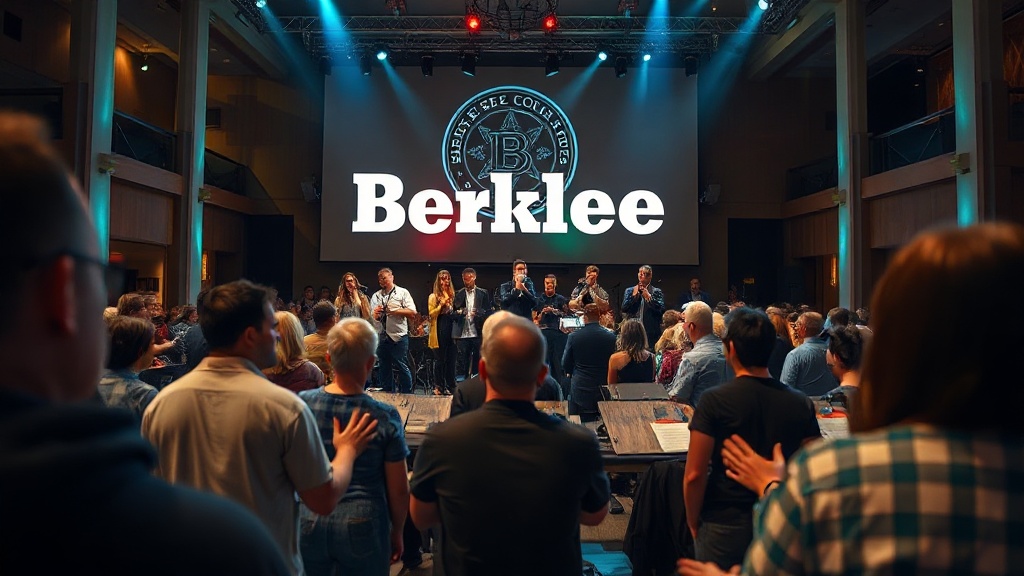
On-campus venues host concerts, masterclasses, and festivals that bring established artists and industry professionals into direct contact with students.
These events create networking moments and expose students to live-production workflows, marketing strategies, and audience-building practices.
Why it matters for aspiring musicians
For musicians looking to develop both craft and career smarts, a place that prioritizes versatility is invaluable. Berklee’s combination of specialized training, cross-disciplinary collaboration, and industry access equips graduates to adapt to shifting trends, embrace new technologies, and create sustainable careers in music.
Whether seeking hands-on production training, songwriting mentorship, or a global creative community, Berklee remains a prominent option for artists aiming to turn musical passion into a professional reality.