Boston College Sustainability: What Students, Faculty, and Alumni Can Expect from a Greener Campus
Boston College and the Drive Toward a Greener Campus: What Students, Faculty, and Alumni Can Expect
Boston College has been turning sustainability from a buzzword into campus practice, blending its academic strengths and Jesuit values with practical steps to reduce environmental impact. The college’s sustainability efforts touch everything from curriculum and research to dining halls, transportation, and how residence halls operate. For anyone connected to the campus—students, faculty, staff, or alumni—understanding these initiatives shows how higher education can model climate responsibility while preparing graduates to lead in a changing world.
Strategic approach and institutional commitment
The college’s sustainability strategy frames goals around reducing greenhouse gas emissions, improving energy efficiency, cutting waste, and encouraging sustainable behaviors across campus. This is guided by a formal climate action plan and coordinated through a central Office of Sustainability that brings together administrators, facilities teams, academic departments, and student groups. By tracking campus emissions and setting measurable targets, the institution is able to prioritize investments that deliver both environmental and operational benefits.
Operational changes that make a difference
Practical upgrades across campus buildings—such as LED lighting retrofits, improved building controls, and enhanced insulation—help lower energy use. Energy-efficiency projects are often paired with efforts to increase renewable electricity procurement and explore on-site renewable options where feasible. Water-saving fixtures, smart landscaping that reduces irrigation needs, and targeted building renovations all contribute to a smaller campus footprint while often lowering utility costs.
Waste reduction and sustainable dining
Waste diversion programs extend beyond traditional recycling to include composting options and targeted campaigns to reduce single-use plastics. Sustainable dining initiatives focus on sourcing local and seasonal ingredients, offering plant-forward menu choices, and working with vendors to reduce packaging waste. Special programs like green move-out events ensure that furniture and clothing are reused rather than sent to landfill, turning a logistical challenge into a community benefit.
Curriculum, research, and experiential learning
Sustainability is woven into academic offerings across disciplines—from environmental science and policy to ethics and business—so students graduate with both technical knowledge and the ethical framework to take action.
Faculty research frequently partners with facilities and community organizations to pilot low-carbon technologies, urban resilience projects, and public-health approaches to environmental challenges. Hands-on opportunities—internships, capstone projects, and community-based collaborations—help students translate classroom learning into tangible outcomes.
Transportation and campus life
Reducing transportation emissions is an important focus, with commuter programs encouraging public transit, carpooling, and alternative modes like biking and walking. Campus planning emphasizes pedestrian-friendly design, and initiatives to electrify vehicle fleets and add charging infrastructure respond to evolving transportation needs.
Community engagement and faith-based stewardship
The college’s Jesuit identity contributes a distinct perspective on sustainability—framing environmental care as linked to social justice and the common good. This approach encourages partnerships with local neighborhoods, nonprofit organizations, and municipal agencies to address environmental issues in ways that benefit vulnerable communities as well as the campus.
How to get involved
Everyone affiliated with the college can play a role: join the Office of Sustainability initiatives, participate in student environmental groups, propose course projects tied to campus needs, or support alumni networks that fund green projects. Small changes—reducing waste in residence halls, choosing plant-forward meals, or biking to campus—add up when adopted at scale.
For those looking to stay informed, the college’s sustainability website and campus newsletters provide updates on progress, upcoming programs, and volunteer opportunities.
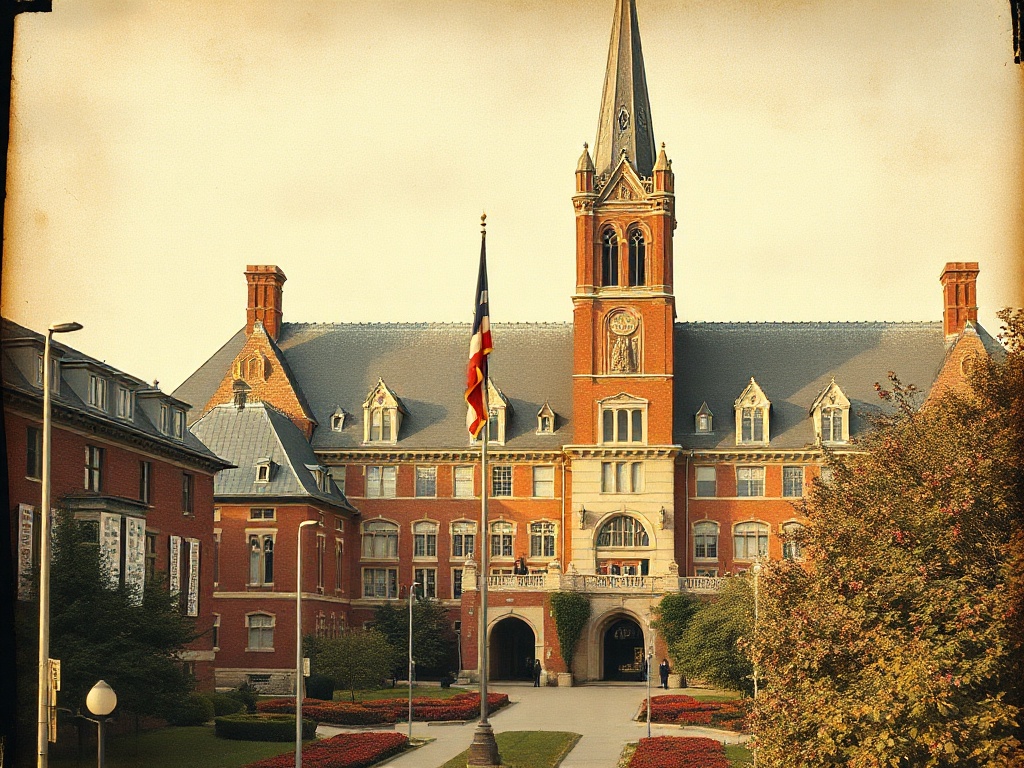
The sustained mix of operational upgrades, academic engagement, and community partnerships shows how a university can be both a laboratory for innovation and a catalyst for broader climate action.