Boston College: A Guide to Academics, Campus Life, Sustainability, and Careers
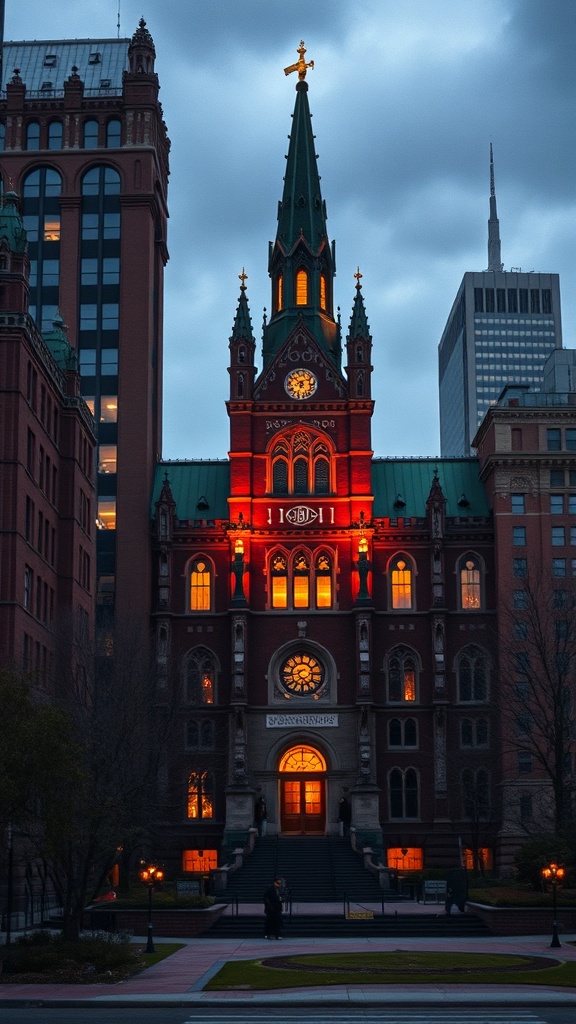
Boston College blends a strong liberal arts tradition with modern research, student-centered services, and a commitment to community engagement. Nestled on the Chestnut Hill campus, the university is known for its distinctive Gasson Tower silhouette, active campus life, and an academic culture shaped by Jesuit values that emphasize service, critical thinking, and cura personalis — care for the whole person.
Academics and research
A broad undergraduate core and a range of graduate programs give students a flexible yet rigorous academic experience. Faculty-led research spans the humanities, social sciences, natural sciences, and professional schools, with interdisciplinary projects that connect classroom learning to real-world challenges. Programs in business, education, nursing, and public policy attract students who want practical skills alongside intellectual depth.
Robust advising, research opportunities, and undergraduate seminar formats help students develop projects that lead to meaningful internships and graduate placements.
Student life and campus culture
Student life at Boston College is lively and diverse, with hundreds of clubs, performing arts groups, cultural organizations, and service programs.
Campus traditions and student-led events foster community across a residential campus that emphasizes student involvement. Athletics play a visible role: the Eagles enjoy strong support across varsity programs, and game days are a focal point for school spirit that brings students, alumni, and local residents together.
Sustainability and campus development
Sustainability is a growing priority across campus operations and academics. Initiatives focus on energy efficiency, green buildings, sustainable dining, and curricular integration of environmental issues. Long-term planning emphasizes reducing the campus carbon footprint while preserving green spaces that support biodiversity and outdoor student life.
Investment in modern facilities and careful restoration of historic buildings creates a campus that supports academic goals and student well-being.
Community engagement and service
Community engagement is embedded in campus life through volunteer service, partnerships with local schools and nonprofit organizations, and civic learning programs. These efforts reflect a commitment to social justice and reciprocal relationships with neighboring communities. Students are encouraged to approach service with reflection and sustained involvement, contributing to a culture where academic study connects to civic responsibility.
Career preparation and alumni network
Career development resources support students from first-year exploration through post-graduation placement.
Internship programs, employer partnerships, and strong alumni networks help graduates move into careers across sectors including finance, education, healthcare, technology, and the nonprofit world. Mentorship and alumni engagement provide professional access and guidance that complement classroom achievement.
Athletics and campus identity
Athletics contribute to campus identity and alumni loyalty. Beyond varsity competition, intramurals and club sports offer recreational outlets, wellness benefits, and opportunities for leadership. Athletic facilities and support services aim to balance competitive success with academic priorities and student-athlete development.
Why it matters for prospective students and families
Prospective students often look for a place that combines academic rigor, a supportive campus community, and opportunities for leadership and service. Boston College’s focus on holistic education, research-enabled learning, and civic engagement creates an environment where students can grow intellectually and personally. Visiting the Chestnut Hill campus, talking with current students and faculty, and exploring academic programs firsthand are the best ways to get a feel for fit.
For anyone tracking higher education trends, Boston College illustrates how tradition and innovation can coexist: preserving core educational values while adapting to contemporary needs in sustainability, career readiness, and inclusive campus life.